
Pests and Diseases
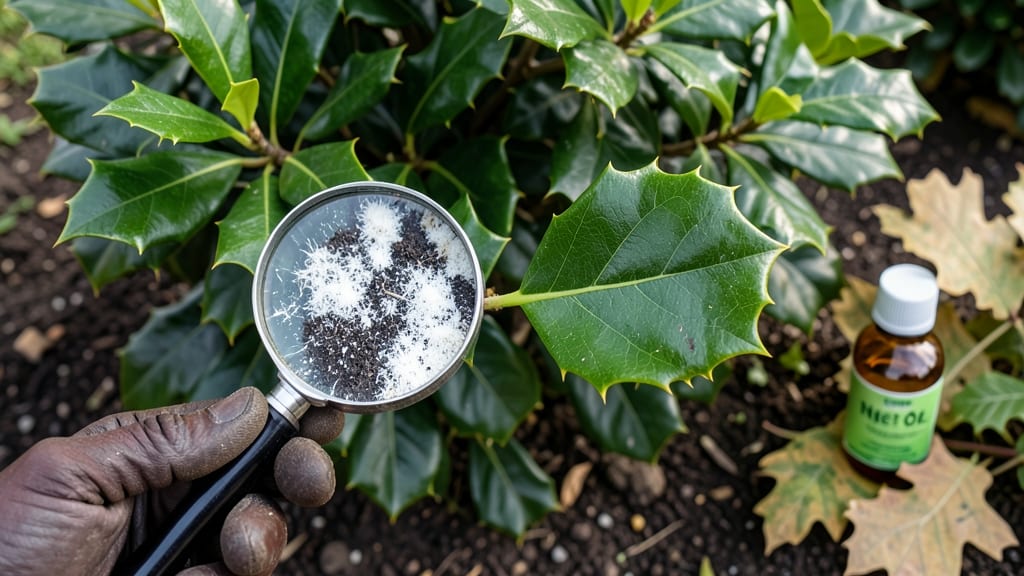
That white fungus on holly bushes isn't just unsightly—it's stealing their strength. 🌿 I've battled this exact issue with my glossy hollies, and the key is acting fast before it spreads to every leaf.
Most cases are powdery mildew, but downy mildew or even environmental stress can cause similar symptoms, so we'll cover how to tell them apart.
The real culprit? Too much shade, poor airflow, or water splashing onto leaves. My bushes thrived after I thinned them out and adjusted my watering schedule—no more late-day sprinkling that keeps foliage damp overnight.
The good news? This is one of those problems you can often fix without harsh chemicals if you catch it early.
Within two weeks of proper treatment, you'll see new growth pushing through clean. The leaves will turn a rich, vibrant green again, and those berries will stay bright and healthy for holiday displays.
I'll walk you through the organic sprays that work best, plus when to bring in heavier artillery if needed.
Whether you're dealing with a single branch or your entire hedge, these steps will get your hollies back to their glossy best. The secret is consistency—don't let one missed treatment turn into a full-blown infestation. Let's get those bushes fighting fit again.
Root Causes of Fungal Growth
When you spot that unsettling white fungus on your holly bushes, it’s rarely a random event—it’s usually a sign that specific environmental or biological conditions have come together. Understanding these triggers is the first step toward prevention and treatment.
Below, we break down the most common reasons why this fungal issue flares up, so you can address the root of the problem.
Fungi thrive in damp conditions, and holly bushes are particularly susceptible when their roots stay waterlogged. Here’s why moisture fuels fungal growth:
- Overwatering or heavy rainfall: Holly bushes prefer well-drained soil, but when water pools around the roots—whether from frequent irrigation or poor soil structure—it creates the perfect breeding ground for fungal spores. Sclerotinia sclerotiorum (white mold) and Botrytis cinerea (gray mold) are notorious for spreading in these soggy conditions.
- Compacted or clay-heavy soil: If your holly’s soil doesn’t drain well, excess water lingers, suffocating roots and inviting fungal pathogens. Even mulch that’s piled too high can trap moisture against the stems.
- Fungal spores in standing water: Many fungi release spores that float in water. When leaves or stems stay wet for prolonged periods (like during prolonged rain or dew), spores land and germinate, leading to infections.
Actionable fix: Improve drainage by amending soil with compost or sand, and avoid overhead watering. Space mulch 2–3 inches away from the stem to allow airflow.
Holly bushes with thick, bushy growth can trap humidity inside their canopy, creating a greenhouse effect that accelerates fungal spread. Here’s how it happens:
- Stagnant air pockets: When branches grow too closely together, air doesn’t circulate well. Warm, humid air gets trapped, raising the relative humidity around leaves and stems—ideal conditions for fungi like powdery mildew (Erysiphe spp.) or rust (Puccinia spp.).
- Leaf wetness duration: In tight foliage, water from rain or dew evaporates slowly, keeping leaves damp for hours or even days. Fungal spores need just 6–12 hours of moisture to infect plant tissues.
- Shade and humidity: Holly bushes planted in shaded or low-light areas (like under trees) often have slower-growing, more susceptible foliage. The combination of shade and moisture creates a double threat.
Actionable fix: Prune holly bushes to open up the canopy, allowing sunlight and air to move through. Aim for 30–50% light penetration to reduce humidity buildup.
Fungi don’t just appear—they wait for the right conditions to strike. Temperature and seasonal changes play a huge role in their lifecycle:
- Cool, wet springs or falls: Many fungal pathogens (like Phytophthora root rot) are most active when daytime temperatures hover between 60–75°F (15–24°C) and nights stay damp. This is why outbreaks often spike in early spring or late summer.
- Temperature swings: Rapid shifts between hot and cold can weaken holly bushes, making them more vulnerable. For example, a sudden frost followed by warm, rainy weather stresses plants and invites fungal infections.
- Winter survival of spores: Some fungi (like Monilinia, which causes brown rot) overwinter in plant debris or soil. When spring arrives, spores germinate and infect new growth if conditions are favorable.
Actionable fix: Monitor weather forecasts and adjust watering schedules to avoid wetting foliage during cool, humid periods. In winter, remove fallen leaves and debris to reduce spore reservoirs.
A holly bush under stress is like an open invitation for fungi. When plants are compromised, their natural defenses drop, making them easy targets:
- Nutrient deficiencies: Lack of nitrogen, phosphorus, or micronutrients (like magnesium) weakens cell walls, making tissues more susceptible to fungal penetration. Yellowing leaves or stunted growth are red flags.
- Physical damage: Pruning wounds, insect bites, or hail damage create entry points for fungi. Even minor injuries can allow spores to colonize.
- Root disturbances: Construction, foot traffic, or root-bound pots stress holly bushes, reducing their ability to absorb water and nutrients. Weak roots can’t support healthy above-ground growth, leaving it vulnerable.
Actionable fix: Fertilize holly bushes in early spring with a balanced, slow-release fertilizer (e.g., 10-10-10). Avoid heavy pruning during stress periods (like extreme heat or drought), and keep the area around the base weed-free to reduce competition.
Sometimes, the fungus isn’t even from your holly bush—it’s brought in from elsewhere. Here’s how:
- Unsterilized pruning tools: Fungal spores can hitch a ride on shears, saws, or rakes used on infected plants. A single cut with a contaminated tool can transfer pathogens to healthy tissue.
- Infested mulch or compost: Old mulch, wood chips, or compost piles can harbor fungal spores. If you reuse contaminated materials, you’re essentially seeding your holly bushes with pathogens.
- Nearby infected plants: Fungi like Botrytis can spread via wind or splashing water from nearby roses, tomatoes, or other garden plants. Even a single infected leaf can release millions of spores.
Actionable fix: Sterilize tools with 70% isopropyl alcohol or a 10% bleach solution between uses. Replace old mulch with fresh, disease-free options, and isolate newly infected plants to prevent cross-contamination.
How to Fix Fungal Issues Fast
Fungal infections on holly bushes may seem daunting, but with the right approach, you can restore your plants to their vibrant, healthy selves—often in just a few steps. The key is identifying the cause first, then applying targeted solutions.
Below, we break down practical fixes for the most common fungal culprits affecting holly bushes, along with prevention tips to keep them thriving.
Signs: Dark, irregular spots with yellow halos on leaves; defoliation in severe cases.
Step-by-Step Fix:
- 🔥 Prune Infected Leaves
- Use sterilized pruners (wipe with rubbing alcohol) to remove all spotted or diseased leaves. Dispose of them in the trash—not your compost bin!
- Focus on lower branches first, where humidity lingers.
- 🍳 Apply Fungicide
- Copper-based fungicides (like Bonide Copper Fungicide) are organic and effective. Spray early morning or late evening to avoid burning leaves in sunlight.
- For organic options, mix 1 tsp baking soda + 1 tbsp horticultural oil + 1 quart water in a spray bottle.
- 👨🍳 Improve Air Circulation
- Thin out dense branches to allow sunlight and airflow. Aim for 20–30% less foliage if growth is overly thick.
- Space holly bushes 3–5 feet apart when planting new ones.
- ⏰ Monitor & Repeat
- Reapply fungicide every 7–10 days until new growth appears. Keep an eye out for re-infection, especially after rain.
💡 Pro Tip: Water at the base (not overhead) to keep leaves dry. Early morning watering gives foliage time to dry before evening humidity sets in.
Signs: White, powdery coating on leaves (like dust); leaves may curl or yellow.
Step-by-Step Fix:
- 🔪 Scrub Off Mild Cases
- For early-stage mildew, dampen a soft cloth or sponge with soapy water (1 tsp mild dish soap + 1 quart water). Gently wipe affected leaves.
- Avoid harsh scrubbing—holly leaves are delicate!
- 🥘 Use Fungicidal Sprays
- Neem oil (1 tbsp neem oil + 1 tsp baking soda + 1 quart water) disrupts fungal spores. Spray both sides of leaves thoroughly.
- Sulfur-based fungicides (like Garden Safe Fungicide) work well but apply only in cool weather (avoid temps above 90°F).
- 🌡️ Adjust Growing Conditions
- Increase sunlight: Powdery mildew thrives in shade. Prune nearby trees/shubs blocking light.
- Reduce humidity: Use a fan on low speed near the bush for 1–2 hours daily if indoor/container-grown.
- ✨ Prevent Recurrence
- Space plants properly (holly bushes need 4–6 feet of clearance).
- Water deeply but infrequently—avoid shallow, frequent watering that keeps soil damp.
💡 Pro Tip: Reflective mulch (like white landscape fabric) under the bush can reduce humidity by bouncing light onto leaves.
Signs: Wilting, yellowing leaves; mushy stems; foul-smelling soil.
Step-by-Step Fix:
- 🚿 Check Drainage Immediately - Dig around the base of the bush and feel the soil.
If it’s soggy after 24 hours, drainage is poor. - Fix it fast: Amend soil with perlite or coarse sand (mix 20% perlite into the top 6 inches of soil).
- 🔪 Trim Damaged Roots
- Gently dig up the bush (if small) and trim black, mushy roots with sterilized shears.
- For large bushes, avoid digging—focus on improving drainage instead.
- 🍳 Apply Fungicide to Soil
- Use a systemic fungicide like Mycorrhizal fungi treatment or Benomyl (follow label instructions).
- Avoid copper-based sprays near roots—they can harm beneficial microbes.
- 🌱 Repot or Relocate (If Needed)
- If the bush is container-grown, repot into fresh, well-draining mix (add orchid bark or pumice).
- For ground-planted hollies, create a raised bed (6–12 inches high) to prevent future waterlogging.
💡 Pro Tip: Mulch correctly—use 2–3 inches of wood chips, keeping it 6 inches away from the stem to prevent moisture buildup.
- 🌿 Choose Resistant Varieties: Opt for ‘Nellie R. Stevens’ or ‘Sky Pencil’ hollies, which are less prone to fungal diseases.
- 🍂 Clean Up Debris: Remove fallen leaves and branches in autumn to eliminate fungal overwintering sites.
- 🌞 Plant Strategically: Avoid planting hollies in low-lying areas where water pools.
- 💦 Water Wisely: Use drip irrigation or soaker hoses to keep foliage dry.
- 🔄 Rotate Fungicides: If using chemicals, switch types seasonally to prevent resistance.
By tackling fungal issues early and methodically, your holly bushes can bounce back stronger than ever. Most problems resolve within 4–6 weeks with consistent care—so don’t wait until the damage spreads! 🌱
Frequently asked questions
Is white fungus on holly bushes always harmful?
Not all white growth is harmful—some may be harmless lichen or even beneficial microbes. However, if it's powdery, fuzzy, or spreading rapidly, it's likely powdery mildew or another fungal disease that weakens your holly. Always examine the leaves closely: true fungal infections often appear as white patches on the upper leaf surface, while lichen usually covers both sides and feels crusty.
Can I use regular household vinegar to treat fungal infections?
Yes, but with caution! A diluted vinegar solution (1 part white vinegar to 3 parts water) can help control mild fungal growth on holly leaves. Spray it early in the morning and avoid wetting the berries if your holly produces them. For severe infections, vinegar alone may not be enough—combine it with neem oil or a copper fungicide for better results.
How often should I spray fungicide on my holly bushes?
For preventive care, spray fungicide every 2-3 weeks during peak growing seasons (spring and summer). If treating an active infection, apply every 7-10 days until new growth appears. Always follow the product label instructions and alternate between different fungicides to prevent resistance buildup in fungal spores.
Will pruning help stop the spread of white fungus?
Pruning is one of the most effective ways to control fungal spread. Remove all infected leaves and branches immediately using sterilized pruners, and dispose of them in the trash—not your compost. Focus on lower branches first where humidity lingers, and thin out dense growth to improve airflow. Prune during dry weather to help wounds heal faster.
When should I call a professional arborist?
Consider professional help if the infection covers more than 50% of your holly bush, if the fungus keeps returning despite treatments, or if you notice wilting, yellowing, or stem rot. Large or valuable holly specimens may also benefit from expert care. An arborist can diagnose the specific fungal pathogen and recommend targeted treatments that work for your particular climate and holly variety.