
Pruning
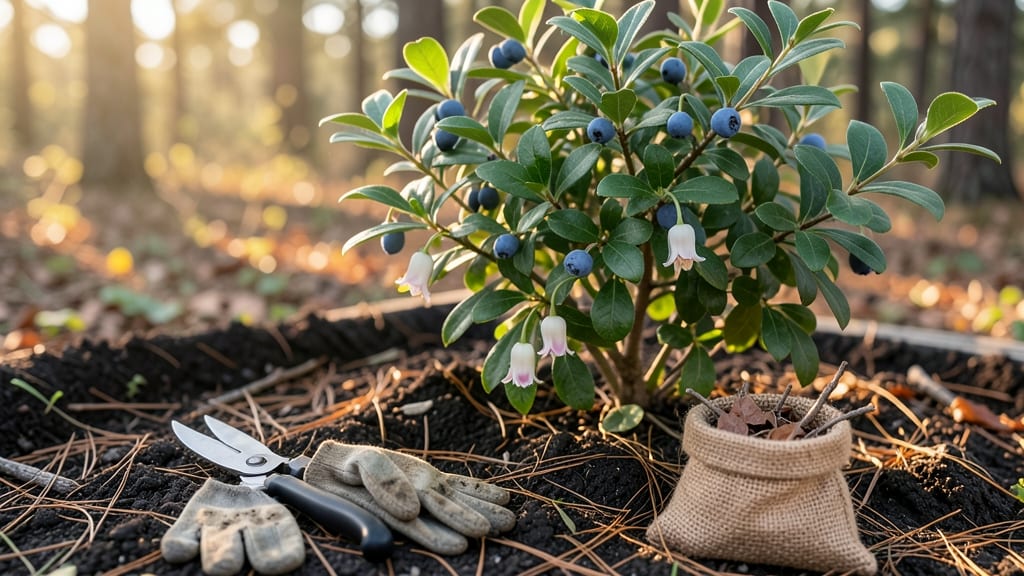
To trim blueberry bushes in NC, schedule it for late winter or early spring—between January and March—right as new growth emerges but before buds fully swell. This timing prevents plant stress and disease while maximizing next year's harvest.
North Carolina's mild winters create the perfect window for pruning, as the dormant season extends into early spring. 🌱 The key is catching the bush between the coldest months and the first signs of active growth—typically when you see tiny buds forming but before they burst open.
This approach lets you remove dead or weak branches without disrupting the plant's energy reserves, which is especially important for highbush varieties that produce fruit on new wood.
For rabbiteye blueberries, which thrive in NC's warmer climate, the timing stays similar but with slightly more flexibility. The critical factor is always avoiding fall pruning, as this exposes the plant to fungal infections during the wetter months.
I've found that pruning too early in winter risks damaging buds that might have already started swelling, while waiting too long means you'll be cutting back growth that could have supported this year's fruit production.
💡 In This Article
- Blueberry Bush Growth Stages and Pruning Timing
- Step-by-Step Pruning Guide for NC Blueberry Bushes
Blueberry bush growth stages and pruning timing
Blueberry bushes follow a precise biological cycle that determines the perfect pruning window. During dormancy—typically December through February—the plant conserves energy, making it resilient to pruning. As temperatures rise and daylight increases in late winter, buds begin swelling with increased sap flow, signaling the start of new growth.
This transition period, usually between mid-February and early March in NC, is when pruning becomes ideal. The plant's vascular system is still dormant enough to minimize stress but active enough to heal quickly from cuts.
NC's climate creates unique conditions for blueberry pruning. The state's mild winters often extend dormancy later than colder northern regions, giving growers a slightly longer window.
For highbush varieties, which produce fruit on one-year-old wood, pruning too early risks damaging next year's fruit buds, while waiting too long means cutting back current season's growth. Rabbiteye varieties, better suited to NC's warmer climate, can tolerate slightly later pruning but still require the same dormant-season timing.
The key visual cue is when buds appear plump and ready to burst—about 1-2 weeks before leaf emergence.
Pruning at the right stage maximizes yield by removing dead wood and encouraging strong new growth. Research shows that proper pruning can increase fruit production by up to 30% by improving air circulation and sunlight penetration.
The plant's energy allocation shifts dramatically during this period—from root development in winter to above-ground growth in spring. Cutting at the wrong time disrupts this balance, leading to stunted growth or disease susceptibility, particularly from fungal pathogens like mummy berry that thrive in wet conditions.
Temperature plays a crucial role in determining the exact timing. Prune when daytime highs consistently reach 50-55°F but nights remain cool. This temperature range ensures buds are swelling but haven't yet activated their growth hormones.
In NC's Piedmont region, this typically occurs 2-4 weeks earlier than in the coastal plain areas, where warmer winters delay dormancy. Always check for bud swelling by gently pressing a few buds—if they feel firm and slightly enlarged, it's time to prune.
What most gardeners overlook is the importance of pruning intensity based on bush age. Younger bushes (3-5 years old) need minimal pruning to establish their structure, while mature bushes benefit from more aggressive cutting to remove older wood.
The rule of thumb is to remove 20-30% of the oldest wood each year, focusing on branches thicker than 1/4 inch in diameter. This gradual approach maintains the bush's natural shape while optimizing fruit production.
For NC growers, understanding these growth stages translates directly to harvest success. The timing window is narrow—typically just 2-3 weeks—so monitoring weather forecasts becomes essential. A sudden warm spell can cause buds to swell prematurely, making pruning too early dangerous.
Conversely, waiting too long means cutting back growth that could have supported this year's crop. The right timing ensures your bushes enter their productive phase with maximum energy and structural integrity.