
How To
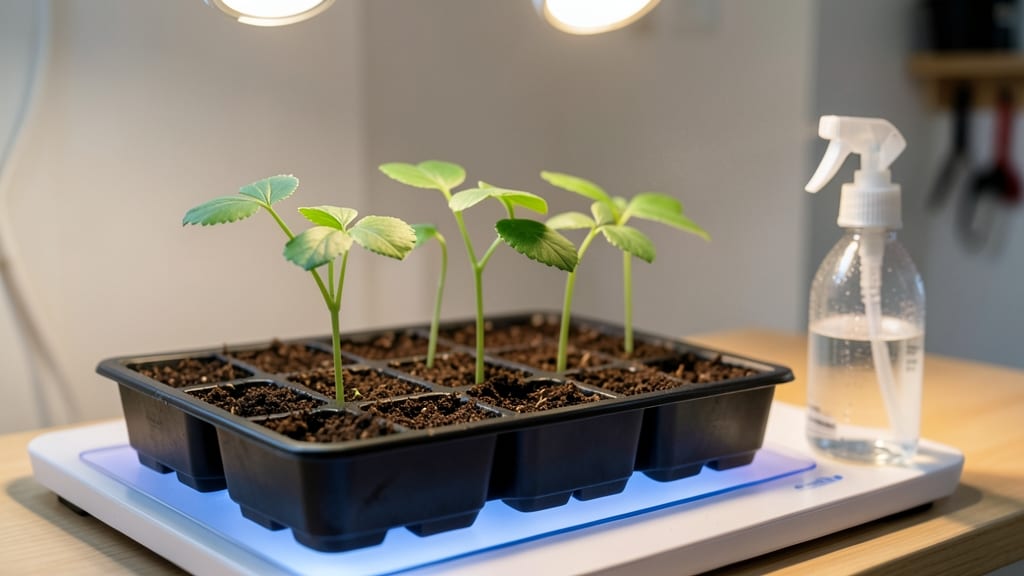
Starting bush beans indoors 4-6 weeks before your last frost is the secret to a bountiful harvest—skip this window, and you risk stunted growth or a harvest that never comes.
Timing is everything when growing bush beans indoors—plant too early, and you’ll waste space; too late, and your harvest shrinks. Follow this climate-zone guide to maximize growth and yield before transplanting outdoors.
Most gardeners in USDA Zone 6 (like me!) should start seeds by early March for a fast spring harvest. But if you live in a warmer zone, like Zone 8 or 9, you can push that window back to late February.
Below, I’ll break down the exact timing by zone, how to set up your indoor seed-starting station, and the key mistakes that slow down growth—so you can avoid them and get beans on the table sooner.
Climate-zone timeline for starting bush beans indoors (by USDA zone)
Getting the timing right for starting bush beans indoors can mean the difference between a bountiful harvest and wasted effort. Since bush beans (Phaseolus vulgaris) thrive in warm soil but struggle with frost, your USDA zone dictates the perfect indoor starting window.
I’ll break down an 8-week countdown from last frost dates for zones 3 through 10, including soil temperature thresholds and ideal transplant windows.
Bush beans need 60-70 days from seed to harvest, but their growth slows dramatically in cool conditions. Starting indoors gives you a 4-6 week head start before the last frost, ensuring your seedlings are robust enough to handle outdoor conditions.
The key is balancing indoor seedling development with outdoor soil readiness—both must align for success.
For USDA zones 3-4, where frost lingers late, start seeds indoors by March 15 to ensure seedlings are ready by mid-May. These zones have the shortest growing season, so prioritize fast-maturing varieties like 'Blue Lake' or 'Provider' to maximize yield.
Use a grow light if natural light is limited, as seedlings need 12-14 hours of light daily to prevent legginess.
In zones 5-6, you can start slightly earlier—in late February—to give seedlings a head start before the last frost, typically around April 15-May 1. These zones benefit from early transplanting because cooler nights slow growth.
Harden off seedlings for 7-10 days before moving them outdoors to toughen their stems and leaves.
Warmer zones (7-10) offer more flexibility, but don’t delay starting too long. Even in zone 10, where frost is rare, begin seeds indoors by mid-December to align with outdoor planting by February 15.
Southern gardeners can also opt for fall plantings, starting seeds in late summer for a winter harvest before cooler weather sets in.
One critical factor across all zones is soil temperature. Bush beans won’t germinate well in soil colder than 50°F, and growth stalls below 60°F.
Use a soil thermometer to confirm outdoor conditions before transplanting. If soil is too cold, wait 1-2 weeks or use black plastic mulch to warm it faster.
Pro tip: Mark your transplant window on a calendar and count backward 4-6 weeks to determine your indoor start date. For example, if your last frost is May 1, start seeds by March 15 in zone 5. Adjust for variety-specific days to maturity—some
Signs your bush beans are ready for transplant (beyond the calendar)
Don't rely solely on the calendar to decide when your bush bean seedlings are ready for transplant. While timing matters, your plants will tell you when they're truly prepared to face the outdoors. Look for these key development cues that indicate your seedlings have reached the perfect stage for transitioning.
First, examine the leaf count—healthy bush bean seedlings should have 2-3 sets of true leaves (not just the initial seed leaves). Each set typically consists of 3-5 leaves per stem.
This foliage indicates the plant has developed enough energy reserves to handle transplant shock and continue growing vigorously in the garden.
Stem thickness is another critical factor. Ready seedlings will have pencil-thick stems that feel sturdy when gently squeezed. Thin, weak stems suggest the plant isn't robust enough for outdoor conditions. At this stage, your seedlings should also exhibit vigorous growth with no signs of yellowing or wilting.
- 2-3 sets of true leaves (not counting seed leaves) with deep green color
- Pencil-thick stems (about 1/8 inch diameter) that feel firm when touched
- Healthy root system with roots filling the seedling container (gently check by lifting)
- No visible signs of disease (no yellowing, spots, or mold on leaves or stems)
- Vigorous growth habit with leaves growing outward rather than crowding inward
Root health is often the most overlooked readiness indicator. Gently remove your seedlings from their containers to check for well-developed roots. Healthy roots should fill the container and appear white or light tan.
If you see long, circling roots, it's time to transplant before they become root-bound. Avoid transplanting seedlings with dark, mushy roots, as this indicates rot.
Once you've confirmed these readiness signs, it's time to harden off your seedlings. Gradually expose them to outdoor conditions over 7-10 days by placing them in a sheltered spot for increasing amounts of time each day.
Start with just 1-2 hours on the first day and work up to all-day exposure. This process helps your seedlings adjust to wind, sunlight, and temperature fluctuations they'll encounter in the garden.
After hardening off, transplant your bush beans on a cloudy day or late afternoon to minimize stress. Water thoroughly after planting and keep the soil consistently moist during the first week.
With proper preparation, your seedlings will thrive in their new outdoor home and produce a bountiful harvest in just 60-70 days.