
Plants
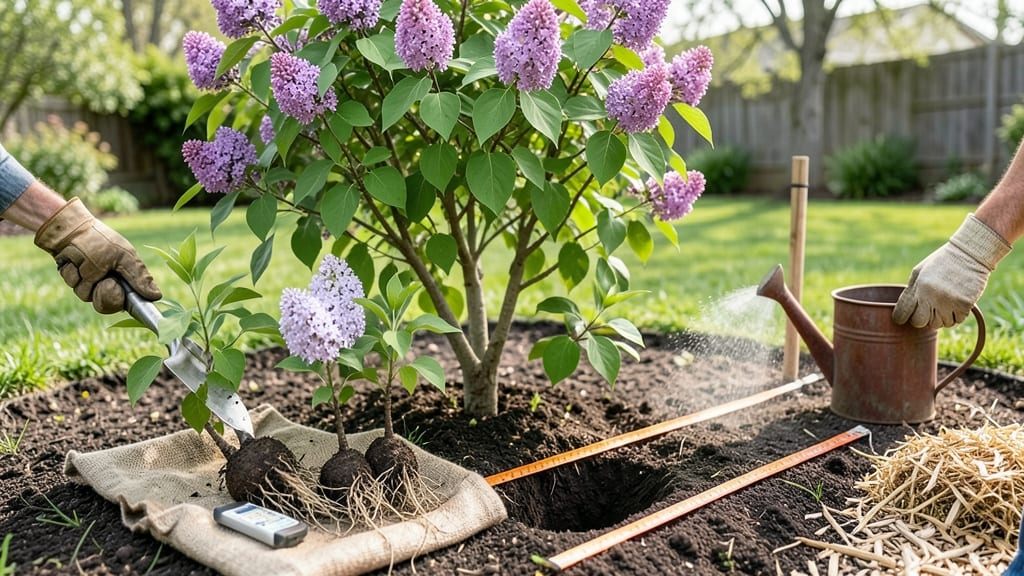
Planting lilac bushes in Colorado at the right time ensures they thrive in your 5-7 hardiness zones and bloom beautifully for years.
Colorado’s unpredictable spring weather can make planting lilac bushes tricky—but timing it right ensures vibrant blooms for years to come. Whether you're in Denver, Boulder, or the mountains, the best windows are early spring or early fall, avoiding late frosts and summer heat stress.
Too early, and your 🌸 lilacs won’t establish roots before winter. Too late, and they’ll struggle with Colorado’s intense summer sun. Below, I’ll break down the ideal months, soil prep, and care tips to set your lilacs up for success.
You’ll learn how to choose the perfect planting window, prepare the soil, and protect your lilacs through Colorado’s first winter—so you can enjoy fragrant blooms come late spring.
Best months to plant lilac bushes in Colorado zones 4-6
Colorado’s USDA Zones 4-6 offer two prime windows for planting lilac bushes—early spring and early fall. Unlike warmer climates, timing matters here because late frosts and summer droughts can stress young plants.
For Denver, Boulder, and Colorado Springs, I’ve found the best results come from planting when soil temperatures stay above 40°F (4°C) but before summer’s intensity kicks in.
Spring planting gives lilacs a head start for their first growing season, while fall planting allows roots to establish before winter dormancy. Both approaches work, but each has unique advantages depending on your local microclimate. Let’s break down the ideal months and what to watch for in each.
🌸
| Planting Window | Ideal Months (Zones 4-6) | Soil Temp Threshold | Frost Risk | Best For |
|---|---|---|---|---|
| Early Spring | March–April | 40–50°F (4–10°C) | Moderate (late frosts possible) | Denver/Boulder (higher elevation) |
| Late Spring | May (after last frost) | 50–60°F (10–15°C) | Low (post-frost) | Colorado Springs (lower elevation) |
| Early Fall | September–October | 50–60°F (10–15°C) | High (first frost risk) | All zones (6+ weeks before frost) |
For Denver and Boulder, where elevations exceed 5,000 feet, I recommend planting lilacs in late March to early April. These areas experience later last-frost dates (mid-April on average), so rushing can expose young roots to cold snaps.
Use a soil thermometer to confirm temperatures stay above 40°F (4°C)—this ensures roots won’t stall.
In Colorado Springs (Zone 5-6), the window shifts slightly earlier due to lower elevations. Plant in March for spring or September for fall, as summer heat arrives sooner. I’ve seen lilacs planted in May thrive here, but only if watered deeply 3x weekly during establishment.
Fall planting in Colorado is ideal if you choose September to early October. This gives roots time to settle before winter, but avoid planting later than 6 weeks before your first frost.
In Zone 4 (northern Colorado), this means wrapping up by mid-September—any later risks frost damage to tender roots.
One mistake I’ve seen gardeners make is planting lilacs in late spring (June). While the soil is warm, summer’s drought and intense sun can stress young plants.
If you miss the spring window, prioritize fall planting over summer attempts. Lilacs are hardy, but they won’t tolerate transplant shock during heatwaves.
Pro tip: Amend your soil with compost and sand to improve drainage—Colorado’s clay-heavy soils can suffocate roots. Mulch with 3–4 inches of wood chips to retain moisture and regulate soil temperature. In my Zone 5 garden, this combo has reduced watering needs by 40% during establishment.
🌿
If you’re unsure about your local frost dates, check the Colorado State University Extension’s frost calendar. For Denver, aim for March 15–April 15 in spring or September 1–October 15 in fall.
In Colorado Springs, shift these dates 2 weeks earlier due to warmer microclimates. Lilacs are forgiving, but precise timing maximizes their first-year growth and bloom potential.
Remember: Lilacs planted in fall often outperform spring-planted bushes because they establish roots before summer stress. However, spring planting rewards you with earlier blooms the following year. Choose based on your schedule and local climate quirks!
How Colorado’s microclimates affect lilac planting success
Colorado’s dramatic elevation shifts create wildly different growing conditions for lilacs. While Denver’s Front Range (elevation 5,000–6,000 ft) enjoys milder springs, high-altitude areas like Summit County (8,000+ ft) face shorter growing seasons and earlier frosts.
These microclimates demand timing adjustments of 3–4 weeks between regions—plant too early in the mountains, and your lilacs may freeze; too late in the valleys, and they’ll struggle with summer heat before establishing roots.
Urban gardeners in Colorado Springs (6,000 ft) can often plant lilacs in early April, but their rural counterparts at 10,000 ft should wait until mid-May when soil warms to 50°F.
Wind exposure also varies: open prairie sites require windbreaks, while urban canyons (like Boulder’s Pearl Street) may need earlier planting to escape summer’s intense sun.
Elevation adjustments aren’t just about timing—they affect soil temperature thresholds too. At 7,000 ft, lilacs need 60°F soil to thrive, while 4,000 ft sites tolerate 55°F. Use a soil thermometer to verify—planting too soon in cold soils stunts root growth, leaving bushes vulnerable to late-spring frosts that Colorado’s Front Range experiences until mid-May.
Wind exposure is another critical factor. Open prairie sites (like eastern Colorado) lose 20–30% more moisture due to wind, requiring 50% more water than sheltered urban gardens. I’ve seen lilacs in Fort Collins wilt dramatically without protection—even with proper planting timing.
For these areas, burlap windbreaks or evergreen hedges can make the difference between thriving bushes and stunted growth.
Urban vs. rural timing also shifts due to heat island effects. In Denver’s downtown, pavement stores heat, allowing earlier spring planting (March 1), while rural Weld County may need to wait until April 15.
Test soil temperature with a thermometer—lilacs won’t root well below 50°F, regardless of calendar dates.
My best advice? Observe local lilacs in your area—if their buds are swelling by mid-April, it’s time to plant. And always mulch heavily (4–6 inches) to protect roots from Colorado’s temperature swings, whether you’re in Aspen or Aurora. 🌸