
Shrubs
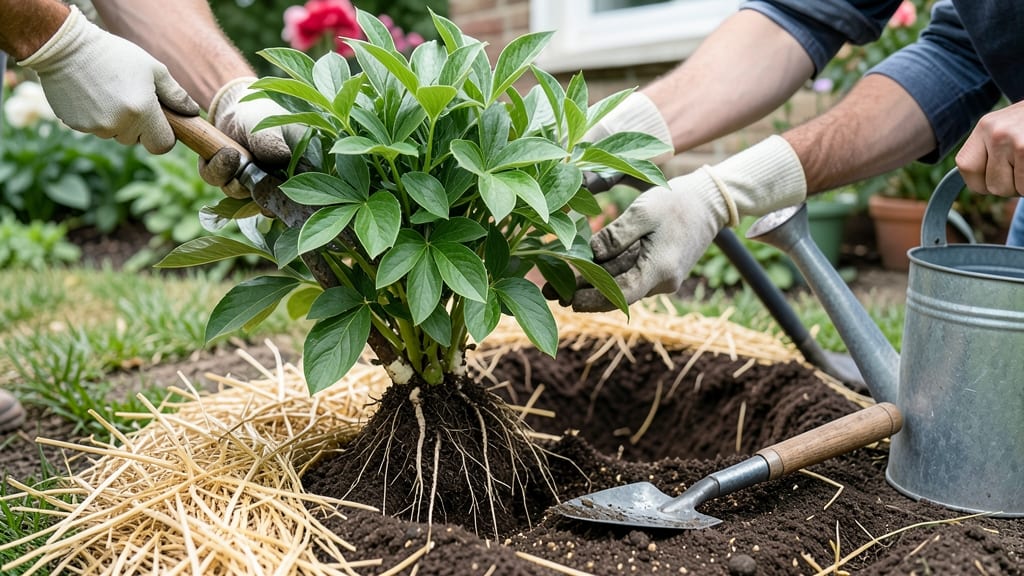
To move peony bushes, transplant them in early fall (4-6 weeks before first frost) or early spring (before buds swell) to minimize stress and ensure root establishment. Avoid summer heat or winter dormancy periods for best survival rates.
Peony bushes thrive when transplanted during their natural dormancy phases—either in early fall when temperatures begin to cool or in early spring before new growth starts. 🌿 This timing aligns with their root growth cycles, allowing them to recover more quickly from the stress of moving.
Fall transplants benefit from cooler soil temperatures, which reduce shock, while spring moves capitalize on the plant's early energy reserves. I've found that peonies moved during these windows establish stronger root systems and bloom more vigorously the following year.
What many gardeners overlook is how sensitive peony roots are to extreme temperatures. Moving them during summer heat or deep winter can lead to transplant shock, where the plant struggles to adapt to new conditions.
Instead, aim for those transitional periods when the soil is workable but not scorching or frozen. This approach gives your peonies the best chance to thrive in their new location.
💡 In This Article
- Why Fall and Spring Are Ideal for Peony Transplanting
- Step-by-Step Peony Transplanting Guide by Season
Why fall and spring are ideal for peony transplanting
Peony bushes rely on their natural growth cycles for survival, and transplanting aligns with these rhythms. During early fall, peonies enter a gradual dormancy as temperatures drop and daylight shortens. This period allows roots to harden off without the stress of active growth.
The soil remains warm enough (50-60°F) to encourage root development while reducing the risk of fungal diseases that thrive in summer's heat and humidity.
The key biological mechanism here is how peony roots respond to temperature shifts. In fall, cooler soil temperatures trigger root cells to produce more protective compounds, like suberin, which thickens root cell walls. This natural hardening process helps peonies withstand the shock of transplanting.
Spring, on the other hand, offers a different advantage: peonies haven't yet directed energy into flower buds. Transplanting before buds swell (typically 4-6 weeks before last frost) means the plant can focus its energy on root establishment rather than blooming.
What sets these seasons apart is their balance of moisture and temperature. Fall soil retains enough warmth to support root growth while providing ample moisture from recent rains. Spring's thawing ground offers similar benefits, with melting snow and early rains hydrating the roots.
Both scenarios avoid the extremes of summer drought or winter freeze, which can cause root desiccation or frost damage. The goal is to give peonies a 4-6 week recovery window before extreme temperatures return.
Transplant shock occurs when roots are damaged during moving and can't quickly establish in new soil. Peonies are particularly vulnerable because their thick, fleshy roots store nutrients but also make them susceptible to drying out.
Fall and spring timing minimizes this risk by allowing roots to gradually adjust to their new environment. For example, a peony moved in late September (ideal fall window) will have established new roots by winter, ready to burst into growth when spring arrives.
Disease risk also plays a role. Summer's warm, moist conditions create perfect environments for fungal pathogens like botrytis, which can infect freshly transplanted peonies. Fall and spring transplants avoid this peak risk period.
Additionally, peonies moved in summer often experience transplant burn, where leaves wilt dramatically due to heat stress, while winter moves risk freezing before roots can establish.
Consider this comparison: A peony transplanted in July at 85°F soil temperatures may lose 30-50% of its root mass from heat stress alone. In contrast, one moved in early April at 55°F soil temps has a 70-90% survival rate with proper care.
The difference lies in how quickly roots can regenerate under favorable conditions.