
Planting
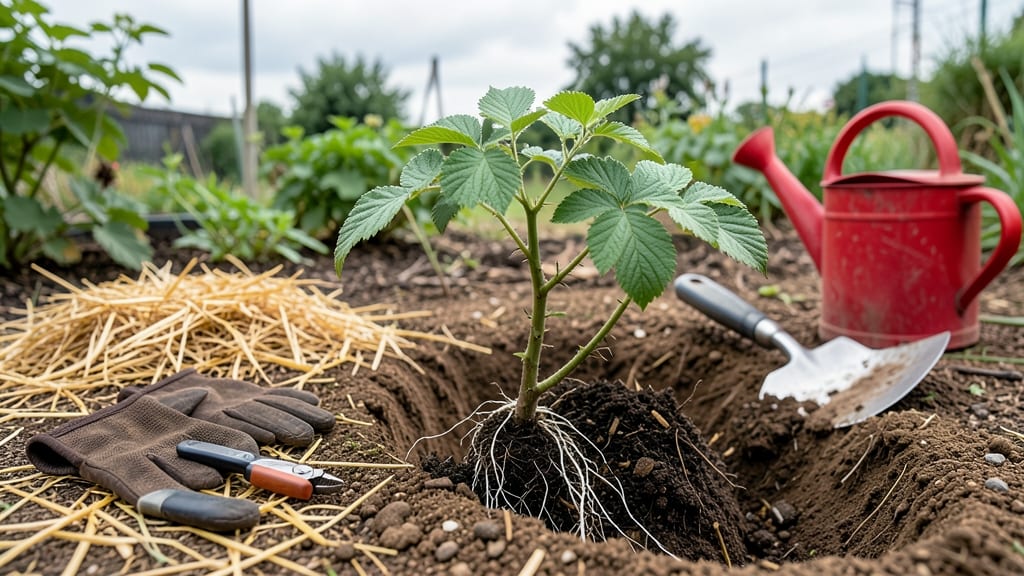
The best time to transplant raspberry bushes is during their dormant season—late fall or early spring—when the plant is at its strongest and least stressed.
Picture this: You’ve just moved your raspberry bushes 🍇, but instead of thriving, they wilt or fail to produce fruit. That’s what happens when you ignore dormancy cues.
The key is catching them just before new growth kicks in—usually 6-8 weeks before your last frost—so roots establish before the rush of spring.
This timing isn’t just about avoiding frost; it’s about soil temperature, moisture levels, and even regional climate quirks. In USDA Zone 6a, that means late September to early October for fall transplants or March to early April for spring.
But warmer zones? Fall works better. Get this wrong, and you’re fighting shock instead of fruit.
Below, I’ll break down the exact seasonal windows, soil checks, and prep steps to ensure your raspberries take root like a pro—no guesswork, just a guaranteed harvest next summer.


Optimal transplanting windows for raspberry bushes by climate Zone
Raspberry bushes thrive when transplanted during their dormant season, when they're not actively growing. This timing minimizes transplant shock and gives roots time to establish before spring growth. The best windows depend on your USDA hardiness zone and local microclimates—whether you're in frost-prone Zone 4 or mild Zone 9.
In most regions, late winter (just before bud break) is ideal because the soil is workable but still cold enough to prevent rapid regrowth. However, warmer climates (Zones 8-10) often allow for fall transplanting after the first frost, when temperatures drop below 70°F (21°C) but before winter dormancy sets in.
Microclimates—like sheltered valleys or urban heat islands—can shift these windows by 2-4 weeks. Always monitor soil temperatures (aim for 40-50°F/4-10°C) and avoid transplanting during extreme heat or cold, which stresses roots and reduces survival rates.
For container-grown raspberries, timing is even more critical. Transplant when roots fill the pot but haven’t yet circumnavigated the root ball. In Zone 5, this often means early May, while Zone 8 gardeners can extend windows into late November if frost isn’t imminent.
Always check local frost dates and plan to transplant at least 4-6 weeks before the last expected frost in spring. In fall, aim to finish 6-8 weeks before the first frost to allow roots to establish before winter dormancy.
Use a soil thermometer to confirm temperatures align with your zone’s ideal range.
If you miss the optimal window, don’t panic! Early spring (before bud break) is still preferable to summer transplanting, which stresses plants with high evaporative demand. Just be prepared for slower initial growth if transplanting outside the ideal period.
Pro tip: Prune canes by 1/3 before transplanting to reduce stress. This encourages root focus over top growth during the critical establishment phase. Pair this with deep watering (1–2 inches per week) for the first 4 weeks post-transplant to boost survival rates.
🌱
Pre-transplant preparation checklist: soil, tools, and plant conditioning
Before moving your raspberry bushes, proper preparation is key to ensuring they thrive in their new home. Start by testing your soil pH—raspberries prefer a range of 5.5 to 6.5.
Use a simple soil test kit or send a sample to your local extension office for accurate results. If your soil is too alkaline, amend it with peat moss or sulfur; if too acidic, add lime or wood ash.
Next, focus on soil amendment. Raspberry bushes love well-draining, nutrient-rich soil. Mix in 2-3 inches of compost or aged manure into the top 12 inches of soil.
For heavier clay soils, blend in sand or perlite to improve aeration. If your soil is sandy, add organic matter like leaf mold to retain moisture.
For container-grown raspberries, hardening off is a critical step to prevent transplant shock. Begin this process 3 weeks before transplanting. Gradually expose your plants to outdoor conditions by placing them in a shaded, sheltered spot for a few hours each day, increasing exposure by 1-2 hours daily.
This helps them adjust to wind, sunlight, and temperature fluctuations.
🌱 3-Week Pre-Transplant Conditioning Schedule
- 📅 Week 1: Reduce watering by 20% to encourage root hardening. Place plants in partial shade for 2-3 hours daily.
- 📅 Week 2: Gradually increase sunlight exposure to 4-5 hours. Water only when the top inch of soil is dry.
- 📅 Week 3: Mimic outdoor conditions fully—place plants in direct sun for 6+ hours. Water lightly in the morning only.
💡 Pro Tip: Avoid fertilizing during hardening off to prevent tender new growth.
When it comes to root pruning, container-grown raspberries often develop root-bound roots. Gently loosen the roots by teasing them apart with your fingers or a knife before planting.
For bare-root bushes, soak the roots in water or a rooting hormone solution for 1-2 hours to rehydrate and stimulate growth. This step is especially important if your plants have been dormant for more than a few weeks.
Gather your transplanting tools ahead of time to streamline the process. You’ll need a shovel or spade, pruning shears, gloves, and a watering can or hose.
If transplanting in hot weather, prepare a shade cloth or tarp to protect the bushes from midday sun stress during the first few days after moving.
Finally, mark your planting locations at least 24 hours before transplanting. Raspberry bushes need space—plant them 2-3 feet apart in rows 6-8 feet apart to allow for proper airflow and future growth.
Dig holes twice as wide as the root ball but no deeper, and loosen the sides to encourage root spread. Your careful prep work will pay off with stronger roots and faster establishment.