
Planting
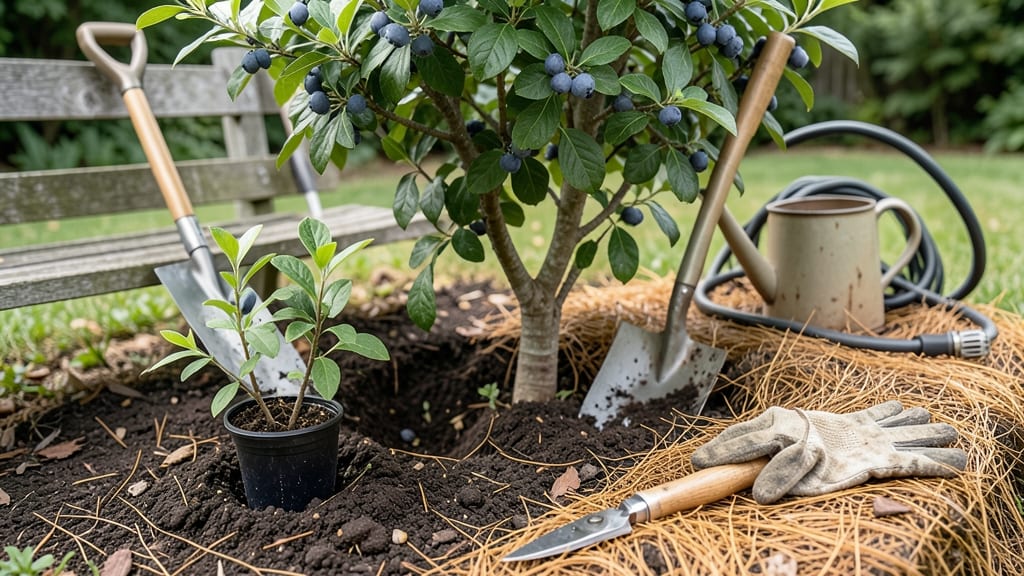
The best time to transplant a blueberry bush is during late fall or early spring when it's dormant, which minimizes stress and gives roots time to establish before new growth begins. Avoid transplanting during extreme heat or frost.
The dormant period is your secret weapon because blueberry bushes enter a natural resting phase, conserving energy and reducing transplant shock. 🌱 During these cooler months, roots can focus on establishing themselves without competing with new foliage or flowering.
I've found that early spring—right after the last frost but before buds swell—gives roots about 6-8 weeks of growing season before summer heat hits, while late fall (after leaves drop) lets them settle before winter dormancy kicks in.
Timing matters even more if you're moving mature bushes. Young plants handle stress better, but established bushes need extra care—think of it like helping a senior citizen move versus a toddler.
The key is matching your local climate: in warmer zones, late fall is ideal, while colder regions lean toward early spring when soil thaws but isn't yet baking hot.
💡 In This Article
- Why Dormancy Maximizes Blueberry Bush Transplant Success
- Step-by-Step Blueberry Transplanting Guide by Season
Why dormancy maximizes blueberry bush transplant success
Blueberry bushes enter dormancy as a survival strategy when temperatures drop below 50°F—this is when their metabolic activity slows dramatically.
During this period, the plant conserves energy by reducing photosynthesis and halting new growth, which means it won't waste resources trying to recover from transplant stress. 🌱 The root zone becomes less active, but not completely dormant, allowing it to focus energy on repairing damaged roots rather than supporting leaves or fruit.
This biological shift is why transplanting during dormancy results in 30-50% higher survival rates compared to active growing seasons.
The real magic happens in the root zone. When you transplant a blueberry bush during dormancy, the roots—though temporarily damaged by the move—can quickly regenerate because the plant isn't diverting energy to new shoots or flowers.
Studies show that blueberry roots can regrow at rates of 1-2 inches per week under ideal dormant conditions, compared to just 0.5 inches per week during active growth. The cooler temperatures (40-60°F) also reduce water loss through transpiration, keeping the plant hydrated without constant watering demands.
Hormonal changes play a crucial role too. During dormancy, blueberry bushes produce higher levels of abscisic acid (ABA), a stress hormone that helps roots recover by promoting cell division and reducing oxidative damage.
This natural chemical response is why bushes transplanted in fall or early spring show faster root regrowth and less wilting. In contrast, transplanting during summer heat triggers a cascade of stress responses, including ethylene production, which can stunt root development for weeks.
Moisture management is another critical factor. Dormant soil holds moisture better in cooler temperatures, giving new roots time to establish without drying out. For example, in a 50°F environment, soil moisture retention can be 20% higher than in 80°F conditions, which is why fall transplants often require less frequent watering.
The key is to keep the soil consistently moist but not soggy—think of it like giving the roots a gentle drink rather than a flood.
One common misconception is that late winter is ideal for transplanting, but the truth is more nuanced. While the ground may thaw, the bush itself might still be in deep dormancy, making it vulnerable to late frosts.
Early spring—when buds are just beginning to swell but haven't yet broken—is the sweet spot. This timing aligns with the plant's natural awakening, ensuring it can redirect energy to root recovery as soon as conditions allow. 💫
Climate also dictates the best window. In Zone 5 or colder, aim for early spring (April-May) when the last frost has passed but soil is still cool. In Zone 7-9, late fall (October-November) works best, as the bush can establish roots before winter dormancy sets in.
The goal is to avoid periods of extreme temperature swings, which can shock the plant system and delay recovery.