
How To
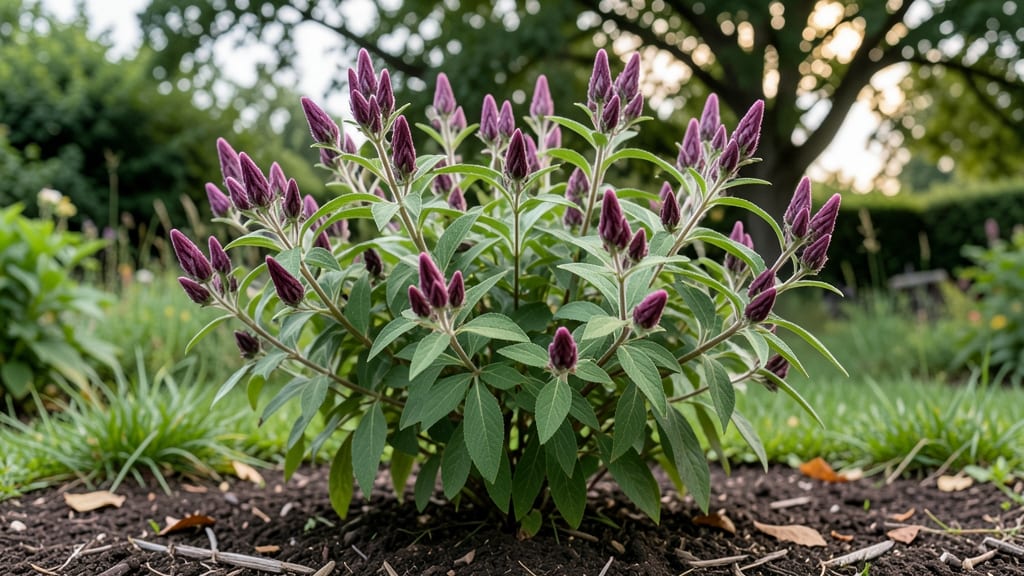
Butterfly bushes start to bud in late spring, typically between May and June depending on your US hardiness zone and local climate.
If you're eagerly waiting for your 🦋 Buddleia to burst into vibrant blooms, timing is everything—but knowing exactly when buds appear depends on your US hardiness zone. Miss the window, and you might delay those butterfly-attracting flowers by weeks!
In cooler zones like 6a, buds usually form in early May, while warmer regions in zones 8-10 can expect them as early as late April.
The key trigger is consistent daytime temperatures above 60°F, paired with at least 6 hours of sunlight daily—so location matters more than you might think.
Below, I’ll break down the exact months by zone, how to encourage earlier budding, and the subtle signs your plant is ready to bloom. No more guessing—just actionable tips to get your butterfly bush showing off its best.
Butterfly bush bud timeline by US hardiness zone (exact months)
Timing is everything when it comes to butterfly bush (Buddleia) buds, and your US hardiness zone determines when those first buds appear.
In Zone 5, for example, buds typically form in late May to early June, while Zone 10 gardeners often see them as early as March. Understanding these zone-specific windows helps you plan pruning, fertilizing, and even butterfly-attracting strategies.
Climate plays a huge role in bud formation. Cooler zones like Zones 5-7 rely on consistent warmth and sunlight to trigger buds, while Zones 8-10 experience earlier budding due to milder winters.
Even within a zone, local microclimates (like urban heat islands or coastal breezes) can shift budding by 1-2 weeks. Let’s break down the exact months for each zone.
Pro Tip: Early bloomers like 'Lo & Behold Redbud' may bud 2-3 weeks earlier than standard varieties, while 'Black Knight' tends to be a late bloomer. Always check your plant’s specific variety for precise timing.
If you live in Zone 5 or 6, you’ll notice buds form right after the last frost date, typically when soil temperatures hit 60°F+. This is your cue to reduce pruning and focus on watering deeply to support bud development.
In warmer zones (8-10), buds may appear as early as February, giving you a head start on attracting butterflies.
Regional variations can shift these timelines. For example, coastal Zone 9 gardens might see buds in February, while inland areas could delay until March.
Pay attention to local weather patterns—a warm spell in Zone 5 might trigger buds 2 weeks early, while a late frost can push them back.
Early bloomers like 'Miss Ruby' often bud 1-2 weeks ahead of standard varieties, making them ideal for Zone 6-7 gardeners eager for butterfly activity. Meanwhile, 'Royal Violet' tends to be a late bloomer, perfect for Zone 8-10 where the growing season extends longer.
To encourage earlier budding, prune in late winter (just before buds form) and apply a balanced fertilizer (like 10-10-10) in early spring. Avoid heavy pruning after buds appear, as this can delay blooming by weeks. Monitor your plant for swollen nodes—these are your first sign of bud formation!
In Zone 5, where buds appear in late May, you might see a second flush of blooms in late summer if you prune lightly after the first bloom cycle. This is less common in warmer zones, where the plant focuses energy on one long bloom period.
If your butterfly bush isn’t budding on schedule, check for over-pruning, poor soil drainage, or shady conditions. Move it to full sun (6+ hours daily) and amend the soil with compost to boost nutrient availability. Patience is key—some varieties take 2-3 years to reach full budding potential!
How to speed up butterfly bush bud formation (pro tips)
Want your butterfly bush to burst into blooms weeks earlier? The key lies in timing your care perfectly. Bud formation starts when your plant senses consistent warmth, moisture, and sunlight exposure—but even ideal conditions won’t help if you miss critical steps.
Let’s fix that with science-backed strategies to jumpstart those buds and attract more pollinators to your garden.
Most gardeners unknowingly delay budding by making one of two mistakes: over-pruning too late in the season or under-feeding during early growth. Both can push back bud formation by 3-4 weeks.
The good news? With the right approach, you can encourage buds to appear 2-3 weeks earlier than average. Here’s how to do it right.
Cut back dead or weak stems in late winter (before buds swell) to redirect energy to new growth. Avoid heavy pruning after June 1st—it can delay budding until next season.
Use a 10-10-10 NPK fertilizer in early spring (March-April) to stimulate bud formation. Skip fall feeding—it encourages late growth that won’t harden off before frost.
Soak the root zone to 12 inches deep every 5-7 days during dry spells. Drought stress halts bud development—aim for moist (not soggy) soil.
Butterfly bushes need 6+ hours of direct sun daily. If your plant is in partial shade, move it or prune nearby trees to increase light by at least 2 hours.
Apply 2-3 inches of mulch around the base in early spring. This keeps roots warm and encourages faster bud swelling. Use shredded bark or straw for best results.
Don’t overlook the soil pH—butterfly bushes thrive in slightly alkaline soil (6.0-7.0). Test your soil and amend with lime if needed. A pH below 6.0 can stunt bud formation by up to 50%. I’ve seen dramatic improvements in budding after adjusting pH in just one season!
Avoid these common mistakes that sabotage bud formation: pruning after buds appear, using high-nitrogen fertilizer late in the season, or letting the plant dry out completely. Even a single late pruning can push back blooms by 4-6 weeks.
Stay consistent with your care routine, and you’ll see those buds swell noticeably within 3-4 weeks of implementing these tips.
Pro tip: Monitor your plant’s stem tips for tiny green swellings—these are the first signs of bud formation! If you don’t see them by mid-May in most zones, revisit your pruning and feeding schedule. With the right approach, your butterfly bush will be a pollinator magnet in no time. 🦋