
Pests and Diseases
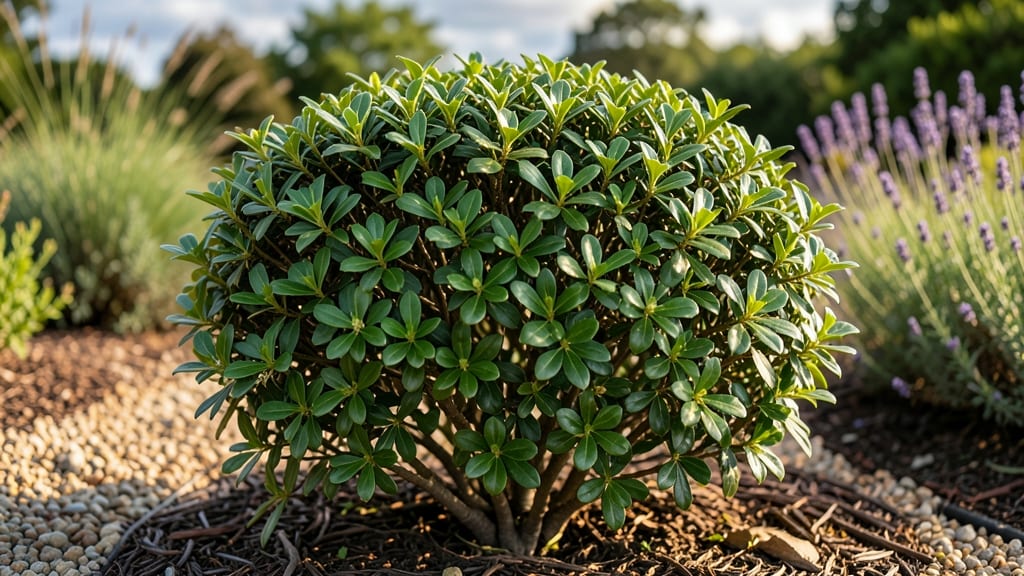
A boxwood bush is the unsung hero of structured gardens—dense, evergreen shrubs that stay lush year-round with minimal fuss. 🌿 I've grown them for years, and they never fail to deliver that polished, formal look without requiring constant attention.
These slow-growing shrubs thrive in tight hedges, sculpted topiary, or as elegant borders, their small, glossy leaves holding their shape even in winter. The secret to their popularity? Versatility.
You'll find varieties from the compact 'Green Velvet' (perfect for small spaces) to the towering 'English Hedge' (ideal for privacy screens).
They handle pruning like pros, bouncing back with new growth that stays vibrant through droughts and heat waves—though they do need well-draining soil and morning sun to avoid fungal issues.
What makes them truly special is how they transform a garden: neat, symmetrical shapes that frame pathways, anchor flower beds, or even double as living art in topiary forms.
Their dark green foliage provides a striking contrast to bright annuals, while their ability to stay green when many plants go dormant makes them the ultimate low-maintenance star.
Hardy in zones 5-9, they're tough enough for northern winters but adaptable enough for southern heat—just watch for boxwood blight in humid climates. Whether you're shaping a formal hedge or adding a single accent plant, these shrubs deliver effortless elegance that lasts all season.
Root Causes Of Boxwood Stress
Boxwood bushes (Buxus spp.) are prized for their lush, evergreen foliage, but they’re not immune to stress—whether from pests, diseases, or environmental factors. Understanding why your boxwoods decline is the first step to reviving them. Below, we break down the key culprits with clear, actionable science.
Boxwoods face relentless pressure from pests that feed on their leaves, stems, and roots. Here’s how they strike—and why it’s so damaging:
🐞 Boxwood Leafminer (Monarthropalpus buxi)
- How it happens: Tiny, yellow-orange larvae burrow inside leaves, creating winding tunnels (visible as blistered, brown trails). Adult flies lay eggs on new growth in spring.
- Why it’s deadly: Heavy infestations cause premature leaf drop, stunted growth, and a "scorched" look.
Larvae also excrete frass (waste), clogging leaf pores and blocking photosynthesis. - Actionable fix: Prune and destroy heavily infested leaves in late winter (before flies emerge). Apply neem oil or horticultural oil sprays in early spring to suffocate eggs.
🐜 Boxwood Mite (Eriophyid Mites)
- How it happens: Microscopic mites feed on leaf surfaces, triggering stippling (tiny white/yellow dots) and corky, crinkled growth (called "boxwood blight" or "gall formation").
- Why it spreads: Mites thrive in dry, hot conditions and multiply rapidly when humidity drops below 50%.
Weakened plants (from drought or poor soil) are prime targets. - Actionable fix: - Water deeply 1–2 times weekly during droughts to boost humidity. - Spray with soapy water (1 tsp mild soap per gallon) or miticides (like abamectin) in early summer when mites are most active.
🐜 Boxwood Psyllid (Psylla buxi)
- How it happens: These sap-sucking insects cluster on new shoots, causing curled, yellowed leaves and sticky honeydew (a magnet for sooty mold).
- Why it’s sneaky: Psyllids are often missed until you spot black, moldy residue on leaves.
Their feeding weakens stems, making plants vulnerable to canker diseases. - Actionable fix: - Prune infested tips in late winter and dispose of them. - Use insecticidal soap or pyrethrin-based sprays when nymphs emerge (spring to early summer).
Fungi thrive in boxwoods when conditions are moist, shady, and warm—turning your shrubs into a buffet. Here’s how they attack:
🍄 Boxwood Blight (Cylindrocladium buxicola)
- How it happens: This aggressive fungus spreads via spores, splashing from soil or tools.
It targets leaves, stems, and twigs, causing: - Dark, greasy spots with yellow halos (on leaves). - Black, sunken cankers on stems (which girdle and kill branches). - Why it’s catastrophic: Blight can kill a plant in weeks if unchecked.
It’s worst in shady, humid climates (like the Southeast U.S.) and on overcrowded, poorly ventilated shrubs. - Actionable fix: - Remove and destroy infected plants (do not compost them). - Space boxwoods 3–4 feet apart for airflow. - Apply fungicides (like copper-based or propiconazole) preventively in spring (before spores activate).
🍄 Root & Stem Rot (Phytophthora, Pythium)
- How it happens: Waterlogged soil or overhead irrigation creates the perfect breeding ground for these soil-borne fungi, which rot roots and stems.
- Why it’s silent: Symptoms (wilting, yellowing, sudden dieback) often appear after the damage is irreversible.
- Actionable fix:
- Improve drainage by amending soil with compost or sand.
- Avoid wetting foliage—use drip irrigation instead of sprinklers.
- Fungicidal soil drenches (like phosphite-based treatments) can help in early stages.
Boxwoods are hardy, but extreme or mismanaged conditions can push them over the edge.
☀️ Heat & Drought Stress
- How it happens: Boxwoods prefer partial shade and consistent moisture.
In full sun + high heat, leaves scorch (turn brown and crispy), and roots shrink from drought. - Why it’s cyclic: Drought-stressed plants are more susceptible to pests and disease. - Actionable fix: - Mulch heavily (3–4 inches of wood chips or shredded bark) to retain moisture. - Water deeply 2–3 times per week during dry spells (1–1.5 inches per week). - Provide afternoon shade with sheer fabric or taller plants if in hot climates.
❄️ Winter Burn & Cold Damage
- How it happens: Desiccating winds + freezing temps cause brown, papery edges on leaves (winter burn).
Young plants or thin-barked varieties (like ‘Green Velvet’) are most vulnerable. - Why it’s misleading: Damage often appears after the fact—plants may look fine in winter but crisp up in spring. - Actionable fix: - Apply anti-desiccant spray (like Wilt-Pruf) in late fall before hard freezes. - Use burlap wraps on young plants in exposed, windy areas. - Avoid pruning in late summer (new growth is less cold-hardy).
💧 Overwatering & Poor Soil - How it happens: Boxwoods hate soggy roots.
Overwatering or clay-heavy soil leads to: - Root suffocation (no oxygen = rot). - Nutrient leaching (fertilizer washes away). - Why it’s a double whammy: Waterlogged roots can’t absorb nutrients, making plants weak and disease-prone. - Actionable fix: - Test soil drainage—dig a hole, fill with water, and time how long it drains (should take <1 hour). - Amend soil with perlite or compost for better aeration. - Water only when top 1–2 inches of soil are dry (stick your finger in to check!).
Even with perfect conditions, human habits can sabotage boxwoods:
- Over-fertilizing with high nitrogen → Soft, sappy growth (loved by pests).
- Pruning at the wrong time (late summer/fall) → Encourages tender new growth that freezes or gets blight.
- Planting too deep → Stems rot from lack of airflow at the base.
Fix: Follow the "3 D’s"—Drainage, Distance (spacing), and Delayed pruning (spring after last frost).
Reviving Your Boxwood Bush
Boxwood bushes are prized for their lush, evergreen foliage and structured growth, but pests and diseases can quickly turn them into a sad, wilted mess. 🐛🌿 Don’t panic—most issues have simple fixes if you act fast.
Below, we’ll break down common problems and the best ways to diagnose, treat, and prevent them so your boxwood stays healthy and vibrant year-round.
🔥 Boxwood Leafminers
Symptoms: Yellow, serpentine trails on leaves; browning or curling foliage. Fix:
- Handpick larvae (tiny white worms) from leaves in the morning when they’re sluggish.
- Spray with neem oil (1–2% solution) or insecticidal soap every 5–7 days until infestation clears.
- Release beneficial nematodes (Steinernema feltiae) into the soil to target larvae underground.
Prevention Tips: ✨ Encourage natural predators like parasitic wasps by planting companion flowers (e.g., alyssum or dill). 🌡️ Water deeply but infrequently—leafminers thrive in stressed, overwatered plants. 🎯 Prune in late winter to remove old leaves where eggs may overwinter.
🍳 Boxwood Mites (Spider Mites)
Symptoms: Stippled, yellowing leaves; fine webbing on undersides; dry, crunchy foliage. Fix:
- Blast mites off with a strong spray of water (early morning or evening).
- Apply horticultural oil or miticide (like Akarin) every 7–10 days for 3 weeks.
- Increase humidity around the plant with a nearby sprinkler or mulch to deter mites.
Prevention Tips: 💡 Mulch heavily (2–3 inches) to retain moisture and discourage dry conditions. 🔥 Avoid over-fertilizing with nitrogen—it attracts mites. 👨🍳 Inspect new plants before adding them to your garden.
👨🍳 Boxwood Caterpillars (Looper or Cutworm)
Symptoms: Ragged holes in leaves; frass (black droppings); plants chewed at soil level. Fix:
- Handpick caterpillars at night (they’re less active) and drop them in soapy water.
- Set up bait stations with Bt (Bacillus thuringiensis)—a natural, pet-safe bacteria that kills caterpillars.
- Use row covers if young plants are at risk.
Prevention Tips: ✨ Remove garden debris where caterpillars hide. 🌿 Plant marigolds or tansy nearby to repel pests naturally. 🔪 Prune regularly to improve airflow and reduce hiding spots.
🔥 Boxwood Blight (Most Devastating Disease)
Symptoms: Dark, sunken spots on leaves; black streaks on stems; rapid defoliation. Fix:
- Remove and destroy infected leaves/stems immediately (do not compost).
- Apply a fungicide like copper fungicide or chlorothalonil at first sign of infection.
- Prune for airflow—thin out dense branches to dry foliage faster.
Prevention Tips: 💡 Avoid overhead watering—use drip irrigation or water at the base. 🎯 Space plants 3–4 feet apart to prevent humidity buildup. 🌡️ Choose resistant varieties like ‘Green Velvet’ or ‘Winter Gem.’
🥘 Root Rot (From Overwatering or Poor Drainage)
Symptoms: Yellowing leaves; mushy stems; foul-smelling soil; wilting despite moisture. Fix:
- Stop watering immediately and let soil dry out.
- Improve drainage by amending soil with perlite or sand.
- Repot or transplant if roots are severely rotted (trim black/mushy roots).
Prevention Tips: 💡 Test soil drainage—dig a hole, fill with water, and time how long it takes to drain (should be <1 hour). 🔥 Water only when top 1–2 inches of soil are dry. 🌿 Plant in raised beds if your garden has heavy clay.
🍎 Volutella Blight (Winter Dieback)
Symptoms: Brown, dead branches in late winter/early spring; black fungal spots. Fix:
- Prune out dead branches in early spring, sterilizing tools with rubbing alcohol.
- Apply a fungicide (like propiconazole) in fall to protect overwintering spores.
- Avoid heavy pruning in fall—wait until late winter to reduce stress.
Prevention Tips: ✨ Water deeply but less frequently in fall to harden off plants. 🎯 Space plants for airflow—crowding worsens humidity-related diseases. 🔪 Disinfect pruners between cuts to prevent spreading spores.
Even after treating problems, proactive care is key to long-term health:
- Feed annually in early spring with a balanced, slow-release fertilizer (10-10-10).
- Mulch annually with 2–3 inches of organic mulch (like shredded bark) to retain moisture and deter weeds.
- Prune lightly in late winter to shape and remove dead wood—never cut into old wood (it won’t regrow).
- Monitor regularly—catch issues early before they spread!
Remember: Most boxwood problems are preventable with good hygiene, proper watering, and a little vigilance. 🌟 With these fixes, your boxwood will bounce back stronger—and stay that way for years to come!
Frequently asked questions about boxwood bushes
Are boxwood bushes toxic to pets?
Yes, boxwood bushes are considered toxic to pets, including dogs, cats, and horses. All parts of the plant—leaves, stems, and seeds—contain buxine alkaloids, which can cause vomiting, diarrhea, and lethargy if ingested. Keep them out of reach of curious pets or consider pet-safe alternatives like holly or boxwood substitutes like skimmia.
How fast do boxwood bushes grow?
Boxwoods are slow-growing shrubs, typically adding only 6-12 inches per year. Dwarf varieties like 'Green Velvet' grow just 3-6 inches annually, while larger types like 'English Hedge' may reach 12-18 inches per year. Their slow growth makes them ideal for formal hedges that require minimal maintenance.
Can boxwood bushes survive in full sun?
While boxwoods can tolerate morning sun, they prefer partial shade (4-6 hours of sunlight daily). In hot climates or full sun, they may develop brown, crispy leaf edges from heat stress. For full-sun locations, choose heat-tolerant varieties like 'Winter Gem' or provide afternoon shade with taller plants.
What's the best time to prune boxwood bushes?
The ideal time to prune is late winter or early spring, just before new growth begins. Avoid pruning in late summer or fall, as this encourages tender new growth that's vulnerable to winter damage or boxwood blight. For shaping hedges, prune lightly every 4-6 weeks during the growing season.
How do I propagate boxwood bushes?
Boxwoods can be propagated through stem cuttings taken in late spring or early summer. Use 4-6 inch sections with 2-3 sets of leaves, dip in rooting hormone, and plant in sandy, well-draining soil. Keep the soil moist and provide partial shade until roots establish (typically 4-8 weeks).