
Pruning
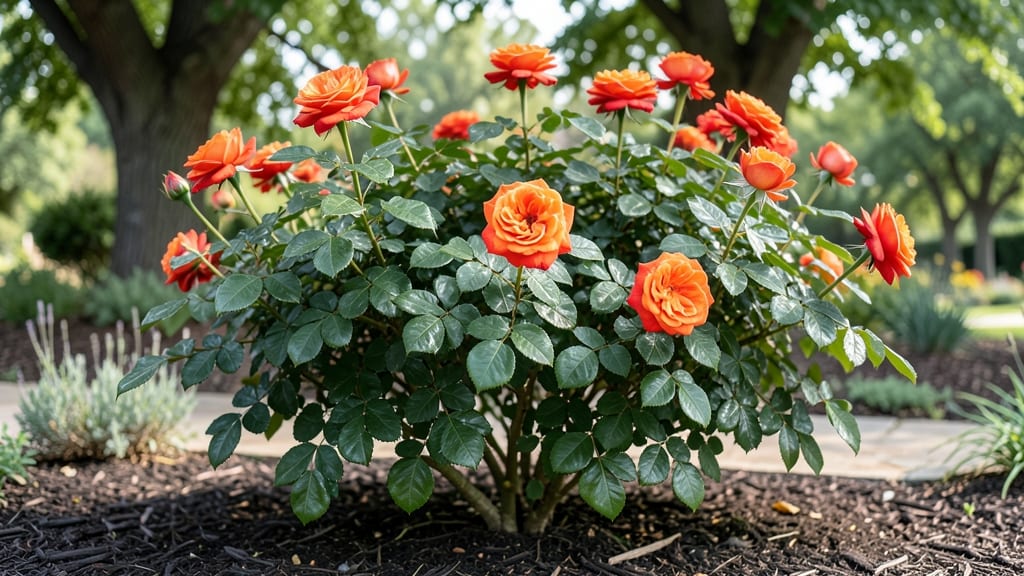
Growing a Tropicana rose bush means waking up to a cloud of peach-colored blooms and that intoxicating, old-fashioned rose perfume. 🌸 I’ve learned the hard way that this variety—with its disease-resistant reputation—still demands precision, especially when it comes to pruning and sunlight.
The difference between a bush that looks like a cloud of blossoms and one that struggles with weak stems comes down to three things: where you plant it, how you prune it, and when you feed it.
This rose thrives in full sun (6+ hours daily) and well-draining soil, but it’s the late-winter pruning that transforms it from "pretty" to "showstopper." Cut back old canes by one-third in early spring, and you’ll trigger a flush of bold, double blooms that last from summer through fall.
The fragrance alone—sweet, spicy, and nostalgic—makes it worth the effort, but the real magic happens when you pair that pruning with the right fertilizer schedule.
By mid-summer, your bush will be bursting with blooms, each petal ruffled and velvety, and the air around it thick with perfume. The key is consistent watering (deep but not soggy) and regular deadheading to keep energy flowing into new growth.
Even in humid climates, this rose stays lush and healthy with minimal fuss—once you get the basics right. For beginners, the biggest mistake is over-pruning or skipping fertilizer in early spring. I’ve seen Tropicanas recover from both, but the first year sets the tone for how vigorous it’ll be.
Plant it in a spot where it gets morning sun and afternoon shade if you’re in a hot zone, and you’ll avoid scorched petals. Now, let’s get those canes trimmed and those blooms blooming!
📚 In This Guide
- What you need
- Instructions
- Tips and common mistakes
- Wrapping up and next steps
What you need
- ○ Pruning shears: Bypass pruners (sharp, clean, and sterilized with rubbing alcohol to prevent disease). Optional: Loppers for thicker branches.
- ○ Gloves: Heavy-duty gardening gloves (thorns are no joke! 😅). Optional: Rose-specific gloves for extra protection.
- ● Disinfectant: 1 part bleach to 9 parts water (for sterilizing tools between cuts).
- ○ Pruning sealant: Optional but helpful for sealing larger cuts (e.g., Tanglefoot Pruning Seal or beeswax).
- ● Garden twine or tape: For tying up branches if needed (1–2 yards).
- ● Trash bag or bucket: For collecting pruned debris (avoid composting diseased branches!).
- ● Weather check: Prune on a dry, cloudy day (avoid extreme heat or cold). Ideal temps: 50–75°F (10–24°C).
- ● Timing: Best done in late winter/early spring (before new growth) or after the first bloom cycle.
- ● Safety gear: Safety glasses (if branches are heavy or you’re working overhead).
- ● Rose bush health: Ensure your Tropicana rose is disease-free (check for black spots, powdery mildew, or pests).
Step-by-Step instructions for cultivating a thriving Tropicana rose bush
This vibrant, fragrant rose thrives with the right balance of sunlight, water, and strategic pruning—here’s how to coax its best performance.
☀️ Step 1: Select the Perfect Planting Location
The Tropicana rose demands full sun—at least 6-8 hours of direct sunlight daily—to develop its signature deep pink blooms and intoxicating fragrance. I always scout the site first, checking for afternoon shade that could weaken stems. A south-facing spot with afternoon breeze protection works best in most climates.
Dig a hole twice as wide as the root ball but only as deep as the container’s base. Loosen the roots gently if they’re circling—this encourages outward growth. Tropicanas hate soggy roots, so if your soil drains poorly, amend with 2-3 inches of compost mixed into the bottom of the hole. A slight mound of native soil in the center helps roots spread naturally.
💧 Step 2: Water Deeply and Mulch for Moisture Retention
After planting, water deeply until the soil is moist 12 inches down—this ensures roots establish without drying out. I use a soaker hose for even saturation, avoiding surface puddles that invite fungal diseases. Water every 2-3 days for the first month, then taper to once weekly once established, adjusting for heatwaves or drought.
Spread 2-3 inches of organic mulch (like shredded bark) around the base, keeping it 6 inches away from the stem. This locks in moisture, regulates soil temperature, and suppresses weeds—critical for Tropicanas, which wilt quickly in dry spells. Replenish mulch annually as it decomposes.
✂️ Step 3: Prune Strategically for Bushier Growth and Blooms
Prune Tropicanas twice yearly: late winter (just before new growth) and after the first flush of blooms in early summer. Start by removing dead or crossing branches at the base, cutting at a 45-degree angle just above an outward-facing bud. This opens airflow and prevents disease.
For shape, trim back 1/3 of the oldest canes to encourage younger, more vigorous growth. I always leave 3-5 strong stems—this ensures a balanced bush. Avoid heavy pruning in fall; it stimulates tender new growth that won’t survive winter. After pruning, apply a balanced rose fertilizer (10-10-10) to support recovery.
🌿 Step 4: Feed and Protect for Continuous Blooming
Feed Tropicanas every 4-6 weeks during growing season with a low-nitrogen, high-phosphorus fertilizer (like 5-10-5) to boost blooms. I mix it into the soil around the drip line, not the base, to avoid root burn. Avoid high-nitrogen fertilizers—they produce lush foliage but fewer flowers.
Watch for aphids or black spot fungus, common pests for Tropicanas. Spray leaves with neem oil at the first sign of yellowing or sticky residue. For extra protection, install a lightweight row cover during rainy spells—moisture triggers fungal diseases that can defoliate the bush overnight.
⏰ Step 5: Prepare for Winter and Prune for Next Season
In late fall, reduce watering but keep soil lightly moist. Mound 4-6 inches of mulch around the base to insulate roots. If your climate drops below 10°F, wrap the bush loosely in burlap or use a rose cone to shield it from windburn. Prune lightly in winter only to remove dead wood—save major shaping for late winter.
Spring is the real reset. As buds swell in early March, prune again to open the center of the bush and remove any winter-damaged canes. This encourages strong, fragrant blooms by summer. Tropicanas reward patience—with consistent care, they’ll produce continuous blooms from spring to frost.
Tips & tricks for perfect Tropicana rose bush cultivation
Here's what nobody tells you about keeping your Tropicana roses thriving year after year.
Sunlight Strategy: The 6-8 hours of daily sunlight is non-negotiable for those signature deep pink blooms, but here's the secret: I always check for afternoon shade patterns first. Even 1-2 hours of shade after 3 PM can weaken stems and reduce fragrance. If you're planting in a new location, observe the site for a full week first—especially in summer when shadows shift dramatically.
Root Health Secret: That 2-3 inches of compost isn't just filler—it's insurance against soggy roots. I've seen Tropicanas drown in heavy clay soil despite regular watering. If your soil drains poorly, mix in perlite or coarse sand to create those essential air pockets. The slight mound of native soil in the center creates a natural drainage channel that prevents waterlogging at the base.
Pruning Precision: When you're cutting at that 45-degree angle in Step 3, aim for the outward-facing bud—this is where new growth emerges. I always make my cuts just above this bud, about 1/4 inch away, to prevent the new shoot from growing back into the old stem. For the 1/3 oldest canes, look for the thickest, most woody stems—they're the ones that have outlived their productivity.
Winter Protection Hack: The 10°F threshold isn't just about temperature—it's about wind exposure. I've found that wrapping Tropicanas in burlap actually works better than rose cones in windy climates because it creates a microclimate that traps heat. If you're in a zone with frequent cold snaps below 10°F, add an extra layer of straw mulch over the burlap for insulation.
Pro Tips for Tropicana Rose Bush
- Here's what nobody tells you about keeping your Tropicana roses thriving year after year.
- Sunlight Strategy: The 6-8 hours of daily sunlight is non-negotiable for those signature deep pink blooms, but here's the secret: I always check for afternoon shade patterns first.
- Root Health Secret: That 2-3 inches of compost isn't just filler—it's insurance against soggy roots.
Frequently asked questions
Got questions about nurturing your Tropicana rose bush? You’re not alone! Whether you're a pruning pro or just starting, these answers will help you keep your roses thriving with confidence.
When is the best time to prune a Tropicana rose bush?
The ideal time to prune your Tropicana rose bush is late winter or early spring, just before new growth begins. This ensures you remove dead or weak wood while encouraging vibrant blooms. Avoid pruning in fall—it can stimulate tender new growth that won’t survive winter. Pro tip: If you missed the window, a light pruning in summer (after flowering) can still help!
How much should I cut back my Tropicana rose bush?
For a Tropicana rose bush, aim to cut back by about one-third of its height. Remove any dead, diseased, or crossing branches first, then shape the bush by cutting just above an outward-facing bud. Avoid over-pruning—this can stress the plant. Pro tip: Use clean, sharp tools to prevent damage and disease!
Can I prune my Tropicana rose bush in cold weather?
Pruning in freezing temperatures (below 40°F/4°C) can harm your rose bush, as the shock may stress the plant. Wait until the ground thaws and new growth is visible. If you must prune in winter, do it on a mild day (above 50°F/10°C) and avoid heavy cuts. Pro tip: Cover the base with mulch after pruning to protect roots!
What if my Tropicana rose bush isn’t blooming after pruning?
If your rose bush skips blooming, check for these common issues: over-pruning (cut too much), nutrient deficiency (fertilize with rose-specific food), or poor sunlight (ensure 6+ hours of sun daily). Deadheading spent blooms and pruning in the right season also encourages more flowers. Pro tip: Test soil pH—roses thrive in slightly acidic soil (pH 6.0–6.5)!
Are there alternatives to pruning for maintaining a Tropicana rose bush?
While pruning is key, you can supplement care with light trimming between seasons to shape growth or remove suckers (shoots growing from the base). Deadheading (snipping off faded blooms) also promotes continuous flowering. However, regular pruning is still the best way to maintain health and vigor. Pro tip: Use a sterilized pair of shears to avoid spreading disease!
Wrapping up and next steps
Your Tropicana rose bush is now primed for a fragrant, thriving future—thanks to the power of precision pruning! 🌹 By mastering the right tools, timing, and techniques, you’ve unlocked the secret to lush blooms and long-lasting scent. Remember, patience and consistency are key, so don’t rush the process.
Ready to take your rose garden to the next level? Start small: pick one bush to refine your skills, then expand your pruning prowess to your entire garden. Happy growing—your roses (and your nose!) will thank you! 🌿