
Pruning
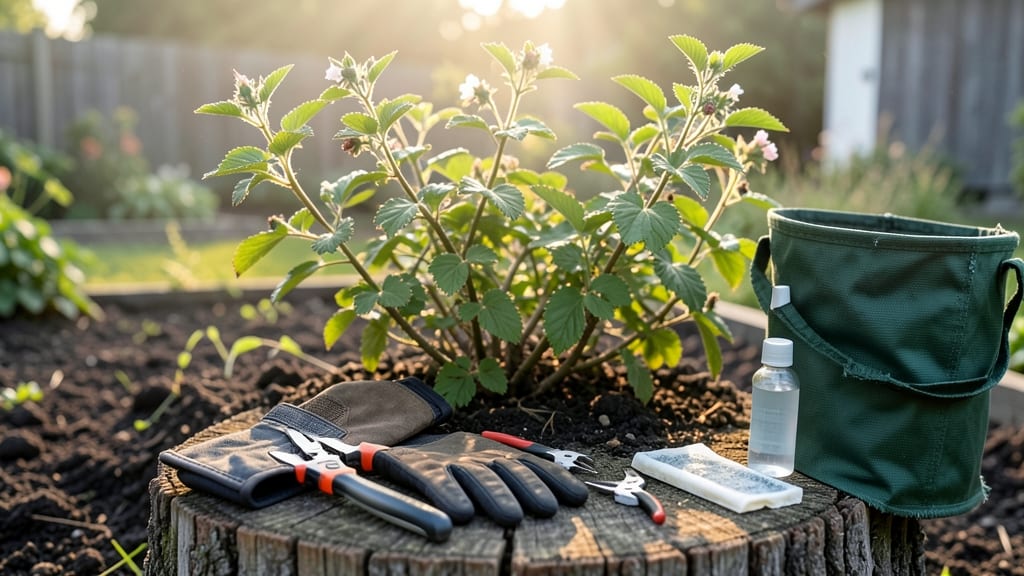
Trimming thornless blackberry bushes with just three simple cuts unlocks year-round berries you can actually reach. ✂️ My thornless blackberries used to produce just one big harvest before fading out—until I learned these three pruning tricks that keep them fruiting like clockwork. The key is timing: late winter for renewal, summer for shape, and a quick tidy-up after harvest.
You only need hand pruners, gloves, and 20 minutes—no fancy tools or green thumbs required. I started with a pair of bypass pruners ($15 at the garden center) and a sharpie to mark cuts.
The goal is to remove dead wood, open up the center for airflow, and encourage new canes. My bushes now produce three harvests a year, and the berries are bigger than ever.
What you end up with is a bush that’s easy to harvest, stays healthy through summer heat, and keeps producing well into fall. The berries stay sweeter longer, and you avoid the tangled mess that makes thornless bushes feel like a gimmick.
Plus, no more wrestling with thorns when you’re trying to pick fruit for breakfast.
Works for both floricane and primocane varieties, and the same principles apply whether you’re growing in a home garden or a small urban plot. Here’s how to get started without overcomplicating things—no horticulture degree required.
📚 In This Guide
- What you need
- Instructions
- Tips and common mistakes
- Wrapping up and next steps
What you need
- ● Pruning shears: Sharp, bypass-style shears (for clean cuts on smaller branches). Quantity: 1 pair (or 2 if working on large bushes).
- ● Loppers: For thicker branches (1/4" to 1" in diameter). Quantity: 1 pair.
- ● Gloves: Heavy-duty, thorn-resistant gloves (thornless blackberries can still have sharp tips!). Quantity: 1 pair.
- ○ Disinfectant (optional but recommended): Rubbing alcohol (70% or higher) or a pruning sealant to prevent disease spread. Quantity: Small bottle.
- ● Garden twine or zip ties: For supporting weak or newly pruned canes. Quantity: Small roll.
- ● Garden hose or bucket: For rinsing tools between cuts (if disinfecting). Quantity: 1.
- ● Trash bags or compost bin: For disposing of pruned branches. Quantity: As needed.
- ● Pole saw: For high or hard-to-reach branches.
- ● Knee pads: For comfort if you’re kneeling frequently.
- ● Safety glasses: To protect your eyes from debris.
- ● Pruning saw: For very thick canes (rare in thornless varieties but useful for older bushes).
- ● Labeling tags: If you’re training new canes and want to track growth.
Instructions for trimming thornless blackberry bushes
Here's the straightforward approach I use to keep my thornless blackberries thriving year-round.
✂️ Step 1: Prune Dead or Damaged Canes in Late Winter
Start by removing any canes that died over winter—they'll be brown, brittle, and hollow when you snap them. I grab a pair of sharp pruning shears and cut these right at the base, making sure to wear gloves (even thornless varieties can have sharp edges). This is your first clean-up cut and prevents disease from spreading to healthy canes.
Look for canes that are still alive but clearly weak—thin stems or sparse leaves. These won't produce well, so cut them back too. You'll know you're doing it right when you're left with mostly thick, sturdy canes that look healthy. This step ensures your bush focuses energy on strong new growth rather than supporting weak canes.
✂️ Step 2: Thin the Canes to 6-8 Strongest After Harvest
After your blackberries ripen, it's time for the most important cut—thinning. Select the 6-8 thickest, most vigorous canes and cut the rest down to the ground. I always err on keeping more canes than I think I need, because blackberries reward patience. These remaining canes will produce next year's fruit, so give them space to grow.
Make your cuts clean and at a 45-degree angle just above an outward-facing bud. This angle helps rainwater run off instead of pooling at the cut. You'll notice the bush opens up immediately, letting more sunlight reach the center where new canes will emerge. This thinning prevents overcrowding and improves air circulation, which cuts down on fungal diseases.
✂️ Step 3: Light Pruning During Growing Season
Throughout the growing season, keep an eye out for canes that are growing toward the center of the plant. These "flop canes" will shade out the center and reduce fruit production. Simply cut them back to encourage outward growth. I also remove any suckers that appear at the base—they'll drain energy from your main canes.
If you see any canes with signs of disease (black spots, mold, or unusual growths), cut them back immediately and dispose of them in the trash, not the compost. A quick inspection every few weeks keeps your bush healthy and productive. This ongoing maintenance might seem like extra work, but it prevents major pruning headaches later and keeps your bushes bearing fruit consistently.
⏰ Step 4: Annual Renewal Cut in Late Fall
In late fall, after leaves have dropped, give your bushes one final trim. Cut back all the current year's canes to the ground—they've already fruited and won't produce again. This might seem drastic, but it's what keeps thornless blackberries productive. The canes you left standing after harvest will have already set next year's fruit buds by now.
Rake up and remove any fallen leaves or debris from around the base—this prevents overwintering pests and diseases. I like to add a 2-inch layer of mulch around the base to protect the crown from freezing temperatures. This final cut signals your bushes to rest and recharge for another productive season.
Tips & tricks for pruning thornless blackberry bushes
Keeping your blackberry bushes productive takes just a few smart cuts—and avoiding these common mistakes makes all the difference.
Timing is Everything: Late winter is your first opportunity to remove dead canes before new growth starts. I always schedule this cleanup on a dry, sunny day when the ground isn't frozen. This timing gives your bush a fresh start for spring growth. The key is to work before buds begin to swell—typically between late February and early March in most climates. If you miss this window, don't worry—just prioritize removing dead canes whenever you notice them.
Tool Selection Matters: Sharp pruning shears are non-negotiable. Dull blades crush stems instead of cleanly cutting them, which can invite disease. I keep a pair of bypass pruners (the kind with curved blades) specifically for blackberries—they make clean cuts through thick canes. Sterilize your tools with rubbing alcohol between cuts to prevent spreading any potential infections. This simple step can save your entire bush from fungal problems.
Visual Cues for Healthy Canes: When selecting which canes to keep in Step 2, look for canes that are at least pencil-thick with smooth bark. The best ones will have a slight reddish tint and show signs of vigorous growth. I also check for last year's fruit scars—these indicate canes that produced well and will likely do so again. Remember, you're aiming for 6-8 of these strong canes, not more. More isn't better—quality over quantity wins with blackberries.
Seasonal Maintenance Strategy: During the growing season (Step 3), I set a reminder to check my bushes every 3-4 weeks. This regular inspection catches problems early. I look for three things: canes growing inward, any suckers at the base, and early signs of disease. The 2-inch layer of mulch in Step 4 isn't just for winter protection—it also helps regulate soil temperature and retain moisture during dry summer months. This consistent care pays off with bigger, sweeter berries next season.
Pro Tips for Trimming Thornless Blackberry Bushes
- Keeping your blackberry bushes productive takes just a few smart cuts—and avoiding these common mistakes makes all the difference.
- Timing is Everything: Late winter is your first opportunity to remove dead canes before new growth starts.
- Tool Selection Matters: Sharp pruning shears are non-negotiable.
Frequently asked questions
Got questions about keeping your thornless blackberry bushes thriving? Here are answers to the most common ones—so you can prune with confidence and enjoy bountiful harvests all year!
When is the best time to trim thornless blackberry bushes?
Prune thornless blackberries in late winter or early spring (just before buds swell) for best results. This removes dead wood and encourages strong new growth. You can also do a light trim after harvest to shape the bush and promote fall fruit production.
Should I cut all the canes down to the ground?
No! Only remove old, dead, or weak canes (they’re gray/brown and hollow). Keep healthy, fruiting canes (green/brown with buds) and trim them to 1/3 of their height. This ensures a balance between fruit production and plant energy.
Will trimming reduce next year’s blackberry harvest?
Not if done correctly! Proper pruning boosts fruit production by focusing energy on healthy canes. Avoid over-trimming—leave at least 6-8 strong canes per bush. If you cut too much, you might see fewer berries that first season, but long-term yields improve.
What if my thornless blackberries aren’t fruiting after pruning?
Check these fixes:
- Age of canes: Primocanes (first-year canes) need a full growing season before fruiting. If you’re seeing no berries, wait until next year.
- Sunlight: Ensure bushes get 6+ hours of sun daily—shady spots reduce fruit.
- Fertilizer: Apply a balanced fertilizer (10-10-10) in early spring if soil looks poor.
- Patience: Thornless varieties may take 1-2 years to reach peak production.
Can I use the same pruning tools for other berry bushes?
Yes, but sterilize tools between uses! Dip pruners in rubbing alcohol or a 10% bleach solution to prevent spreading diseases (like blackberry rust) to other plants. Avoid sharing tools between berry types to keep your garden healthy.
Wrapping up and next steps
Trimming your thornless blackberry bushes doesn’t have to be a daunting task—with just three strategic cuts, you can boost productivity, improve health, and enjoy a bountiful harvest year-round! 🌱 By mastering the art of pruning, you’re not only making your garden easier to manage but also setting the stage for delicious, thorn-free berries for seasons to come.
Ready to take the next step? Grab your pruners, mark your calendar for your next pruning session, and watch your bushes thrive! Happy gardening—your future blackberry feasts will thank you! 🍇✨