
Pruning
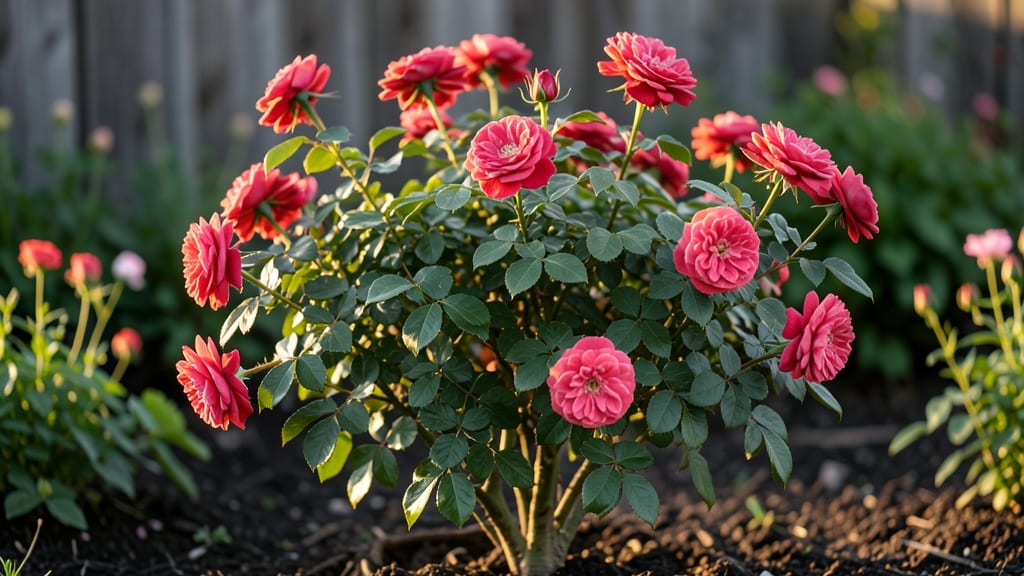
The Sweet Juliet rose bush isn’t just another pretty face—it’s the fragrant superstar of your garden, blooming from spring to frost with minimal fuss. 🌹 I’ve grown mine for five years, and the key to its year-round perfume? Precision trimming that keeps it compact, healthy, and bursting with blooms.
Most roses demand constant attention, but this one rewards even the busiest gardener with 3-4 seasons of flowers and a scent so rich it stops passersby in their tracks.
Here’s the secret: it thrives in full sun to partial shade, tolerates average soil (though it rewards you for amending with compost), and stays disease-resistant if you water at the base—not overhead.
My bush produces 50+ blooms per season with just three major prunes: one in late winter, one after the first flush, and a light tidy-up after each harvest. The fragrance alone—a sweet, velvety blend of citrus and berries—makes the effort worthwhile.
What sets Sweet Juliet apart? Unlike finicky roses, it blooms on both old and new wood, so you can prune aggressively without sacrificing flowers. Plus, its semi-climbing habit lets you train it up a trellis or let it sprawl as a bush—your call.
The trade-off? It needs weekly deadheading to keep blooming, but trust me, the payoff is worth it: a garden that smells like a Parisian courtyard even in July’s heat.
Ready to grow one? Start with a well-draining spot, a balanced fertilizer, and a sharp pair of pruners—then follow the step-by-step guide to turn your rose bush into the fragrant centerpiece of your yard. No green thumb required, just patience and a little love.
📚 In This Guide
- What you need
- Instructions
- Tips and common mistakes
- Wrapping up and next steps
What you need
- ● Pruning shears: Bypass pruners (sharp, clean, and sterilized—think of them as your rose bush’s best friend!). Quantity: 1 pair.
- ● Loppers: For thicker stems (3/4"–1.5" diameter). Quantity: 1 pair.
- ● Gloves: Heavy-duty, long-cuffed gloves (roses can be thorny!). Material: Leather or synthetic blend.
- ● Disinfectant: 70% isopropyl alcohol or a rose-specific cleaner to sterilize tools between cuts.
- ○ Pruning sealant: Optional but helpful for larger cuts (e.g., Tanglefoot Pruning Seal).
- ● Garden twine or tape: For marking stems you plan to remove (if working in stages).
- ● Wheelbarrow or bucket: To collect pruned branches and debris.
- ● Weather check: Prune on a dry, overcast day (or early morning) to avoid stressing the plant.
- ● Tools sharpened: Dull shears = jagged cuts = unhappy roses. Pro tip: Test your shears on a piece of paper—they should glide, not tear!
- ● Know your rose: Sweet Juliet is a climbing rose, so prioritize airflow and light penetration.
- ● Safety first: Wear closed-toe shoes and consider eye protection if your roses are extra thorny.
- ● Hand pruners: For delicate trimming of smaller stems.
- ● Rake or broom: To clear fallen debris after pruning.
- ● Rose fertilizer: A balanced, slow-release fertilizer (e.g., 10-10-10) to revive your rose post-prune.
- ● Mulch: Organic mulch (like shredded bark) to protect roots and retain moisture.
- ● Notebook & pen: To jot down your pruning plan or track growth over time!
Step-by-step guide to trimming your Sweet Juliet rose bush for year-round blooms
This rose thrives when treated with surgical precision—cut back at the right times, and you'll enjoy clouds of fragrance from spring through fall.
✂️ Step 1: Perform the First Heavy Prune in Late Winter
Your timing matters here: prune 2-3 weeks before your last frost date when the plant is still dormant. I like to wait until the ground thaws enough to work comfortably—this usually lands in early to mid-February in most climates. Grab your clean, sharp pruners and remove one-third of the plant's oldest wood first. These are the thickest, woody stems that have borne flowers for multiple seasons.
Look for dead or crossing branches—these compete for energy and invite disease. Cut at a 45-degree angle just above an outward-facing bud (about ¼ inch above). This ensures new growth will angle away from the center, improving airflow. You'll see the plant's structure become more open and pyramid-shaped as you work.
🌿 Step 2: Light Pruning After Spring Blooms Finish
Once the first flush of deep pink blooms fades (usually late May to early June), it's time for your second cut. Remove spent blooms immediately by cutting the stem ¼ inch above a five-leaflet leaf—this encourages the plant to send out new flowering shoots from that node. I also thin out overcrowded stems to improve air circulation, which prevents black spot disease.
This is where Sweet Juliet's vigor shines. You'll notice new buds forming within 3-4 weeks along the remaining stems. Avoid heavy pruning now—just shape lightly to maintain the bush's natural form. The goal is to balance bloom production with plant health, not force excessive growth.
✂️ Step 3: Summer Maintenance for Continuous Blooming
Throughout the growing season, deadhead regularly every 7-10 days to prevent hips from forming. Sweet Juliet roses bloom repeatedly, but they need encouragement. Cut back to the first five-leaflet leaf below each faded bloom cluster. You'll see new flower buds form within 2 weeks—this is your reward for consistent maintenance.
Watch for suckers (shoots growing from the base) and remove them immediately. These drain energy from your main plant. Also, thin out any leggy growth that stretches toward the sun but bears no buds. A well-maintained Sweet Juliet should have multiple stems with buds spaced every 3-4 inches along their length.
🌱 Step 4: Final Light Prune in Early Fall
As temperatures drop below 50°F at night (usually late September to early October), give your rose one last light trim. Remove any remaining dead or diseased wood, and cut back overly vigorous stems by about one-third. This helps the plant harden off before winter and reduces the risk of frost damage.
Leave the foliage intact until after your first hard frost—the leaves continue photosynthesizing until killed by cold. Once they turn brown, you can rake and remove them (but leave the stems). This prevents fungal spores from overwintering in the debris. Mulch the base with 2-3 inches of organic mulch to protect roots from freeze-thaw cycles.
⏰ Step 5: Winter Protection for Next Year's Blooms
When temperatures drop below 20°F, protect your Sweet Juliet with a lightweight rose cone or burlap wrap. I like to loosely mound soil around the base (about 4-6 inches high) to insulate roots. Avoid heavy mulch that can suffocate the plant—Sweet Juliet needs breathable protection, not smothering.
Check your pruners before storing them for winter. Dip blades in rubbing alcohol and wipe dry to prevent rust. You'll be ready to repeat this cycle next year, with a bush that's healthier, more fragrant, and more productive than ever.
Tips & tricks for perfect Sweet Juliet rose trimming
Here's what nobody tells you about keeping your Sweet Juliet thriving through every season.
Timing is Everything: That 2-3 week window before your last frost isn't just a guideline—it's when the plant's natural dormancy makes it most resilient. I've seen roses struggle when pruned too early (before ground thaws) or too late (after buds swell). Check your local frost dates and mark your calendar—this is the single most important factor for year-round blooms. The dormant state means less stress and faster recovery for the plant.
The 45-Degree Angle Secret: Cutting at a precise 45-degree angle just above an outward-facing bud isn't just aesthetic—it's about directing growth. The angle prevents water from pooling on the cut (which invites disease), while the outward-facing bud ensures new shoots grow away from the center. This creates that beautiful pyramid shape and prevents overcrowding. Think of it like training a vine to grow where you want it, not where it naturally would.
Deadheading Discipline: Those 7-10 day intervals for deadheading might seem frequent, but they're what keeps Sweet Juliet producing continuously. The key is consistency—don't let blooms turn to hips (those green seed pods). When you cut back to the first five-leaflet leaf, you're telling the plant "keep growing here!" This simple technique can double your bloom production if done religiously. I set a reminder on my phone for every 10 days during growing season.
Winter Protection Wisdom: That 20°F threshold for winter protection isn't arbitrary—it's when most Sweet Juliet roses start showing cold damage. The lightweight cone or burlap isn't about insulation (though that helps), it's about preventing windburn and allowing airflow. I've seen roses smothered in heavy mulch develop rot—Sweet Juliet needs to breathe even in winter. The soil mound is about insulation, but keep it loose so moisture can escape.
Pro Tips for Sweet Juliet Rose Bush
- Here's what nobody tells you about keeping your Sweet Juliet thriving through every season.
- Timing is Everything: That 2-3 week window before your last frost isn't just a guideline—it's when the plant's natural dormancy makes it most resilient.
- The 45-Degree Angle Secret: Cutting at a precise 45-degree angle just above an outward-facing bud isn't just aesthetic—it's about directing growth.
Frequently asked questions
Got questions about keeping your Sweet Juliet rose bush fragrant and thriving? Here are some common ones—and their answers!
When is the best time to prune Sweet Juliet roses for maximum fragrance?
The ideal time is late winter or early spring (before new growth starts) to shape the bush and encourage blooms. A light trim in summer after flowering also helps maintain fragrance and airflow. Avoid heavy pruning in fall—this can stress the plant before winter.
How do I know if I’m over-pruning my Sweet Juliet rose?
Watch for these signs: bare stems (prune back to healthy buds), fewer blooms, or weak new growth. Sweet Juliet thrives with 30-50% of the previous year’s growth removed. If you see mostly old wood, you’ve gone too far—prune less aggressively next time!
Can I grow Sweet Juliet roses in containers? If so, what’s the pruning difference?
Yes! Containers work well, but prune 10-20% more often due to limited space. Focus on removing crowded canes and deadheading spent blooms to redirect energy. Use well-draining soil and repot every 2-3 years to prevent root-bound stress.
Why aren’t my Sweet Juliet roses fragrant this year? Troubleshooting tips?
Fragrance fades with poor airflow, over-fertilizing with nitrogen, or pests/disease. Check for aphids or black spot (treat with neem oil). Prune to open the center, and fertilize with a balanced rose food (10-10-10) in spring. Hydrate deeply but avoid soggy soil!
What’s a good fragrance-alternative rose if Sweet Juliet isn’t available?
Try these highly fragrant, low-maintenance roses:
- Iceberg – Sweet, creamy blooms; disease-resistant
- Double Delight – Classic tea rose fragrance; repeat bloomer
- David Austin ‘Gertrude Jekyll’ – Rich myrrh-like scent; thrives in partial shade
Wrapping up and next steps
The Sweet Juliet rose bush isn’t just a beauty—it’s a fragrant masterpiece that rewards your care with year-round blooms and intoxicating scent. By mastering precision trimming, you’ll unlock its full potential, ensuring vibrant flowers and lush growth.
Now that you’re armed with the right tools, techniques, and answers to common questions, it’s time to roll up your sleeves!
🌸 Next step: Grab your pruners, schedule your first trim, and watch your Sweet Juliet transform into the showstopper of your garden. Happy pruning—your roses will thank you!