
Picking
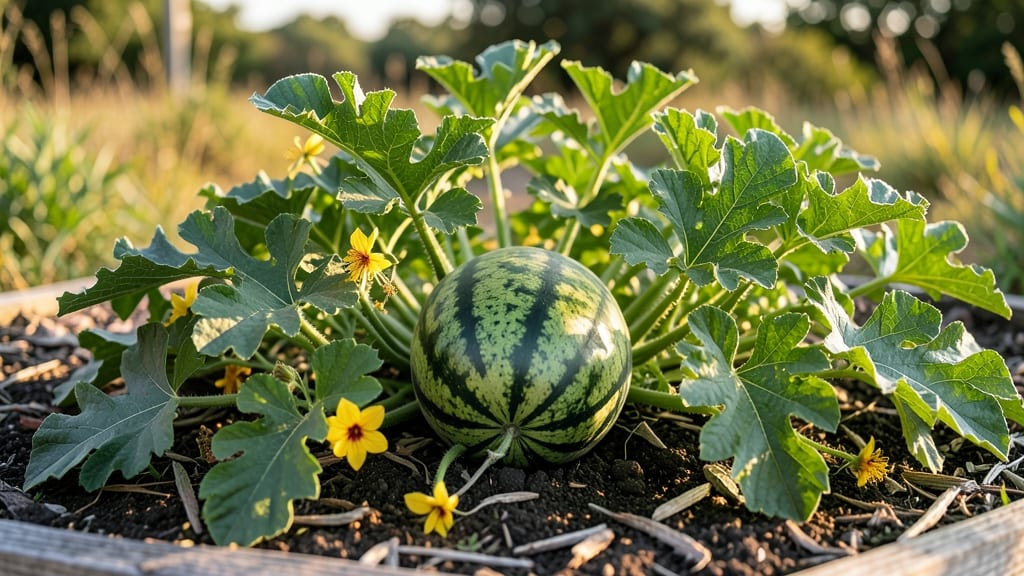
Growing Sugar Bush watermelons means northern gardeners finally get their own cold-hardy, sweet reward. 🌱 I planted my first patch last summer, and the moment I sliced into that crisp, golden flesh—perfectly sweet even in my short growing season—I was hooked.
These aren’t your grandma’s watermelons; they’re bred to thrive where traditional varieties would bolt or rot.
The secret to success starts with timing: wait until soil reaches 60°F (usually mid-May to early June in Zone 4-5), then plant seeds 1 inch deep in hills spaced 3 feet apart.
Sugar Bush vines need full sun and well-draining soil—think sandy loam mixed with compost. Overwatering is the #1 killer, so let the top inch dry between waterings once vines start running.
By mid-July, you’ll see yellow flowers—and if pollinators are doing their job, those flowers will turn into 3-4 pound melons by late August. The rind stays tough even when frost threatens, so you’ve got a 2-3 week harvest window to enjoy them.
Cut one open, and you’ll understand why I’m now growing three hills instead of one.
Northern gardeners, this is your chance to grow watermelons without the gamble. The vines handle cooler nights better than most, and the flavor? Unbeatable—even my skeptical neighbor admitted mine were sweeter than store-bought.
Just watch for cucumber beetles (use row covers early) and powdery mildew (space plants for airflow). With these tips, you’ll be slicing into success by summer’s end.
📚 In This Guide
- What you need
- Instructions
- Tips and common mistakes
- Wrapping up and next steps
What you need
- ● Sugar Bush watermelon seeds – 3–5 seeds per plant (start with 10–15 seeds for a small harvest). Look for Citrullus lanatus varieties labeled as cold-hardy or heirloom.
- ● Growing space – A sunny spot with 6–8 hours of direct sunlight daily. Use a raised bed, in-ground plot, or large containers (at least 5–10 gallons per plant).
- ● Well-draining soil – Mix compost or aged manure (1–2 cups per planting hole) into your soil to boost fertility. Aim for a pH of 6.0–6.8.
- ● Organic mulch – Straw, black plastic, or shredded leaves to retain moisture and regulate soil temperature.
- ● Watering can or hose with a gentle spray nozzle – Watermelons need 1–2 inches of water per week, especially during flowering and fruiting.
- ● Fertilizer – A balanced 10-10-10 or 5-10-10 fertilizer (or compost tea) to apply at planting and when vines start running.
- ○ Trellis or support system (optional but helpful) – A 6–8 ft tall trellis or sturdy stakes to train vines and save space.
- ● Seedling trays or biodegradable pots for early starts (if your climate has a short growing season).
- ● Row covers or frost cloth to protect young plants from late frosts.
- ● Pruning shears for managing vine growth and removing excess runners.
- ● Soil thermometer to monitor seed germination temps (ideal: 70–90°F).
- ● Slippery elm or corn gluten meal to deter pests naturally.
Step-by-Step instructions for growing Sugar Bush watermelons
Here’s how to cultivate these cold-hardy watermelons with confidence—even in cooler climates.
🌱 Step 1: Select the Right Variety and Prepare Soil
Sugar Bush watermelons thrive in zones 3-9, so choose a cold-tolerant variety like ‘Sugar Bush’ or ‘Moon and Stars.’ Amend your soil with 2-3 inches of compost to improve drainage and fertility—these melons hate soggy roots. Test your soil’s pH; aim for 6.0-6.8, the sweet spot for watermelon growth.
Work the compost into the top 12 inches of soil, breaking up any clumps. Sugar Bush types need loose, well-aerated soil to develop their signature sweetness. If your soil drains poorly, mix in 10% perlite or coarse sand to prevent rot. I like to add a balancing fertilizer (like 5-10-10) at planting time to give vines a nutrient boost.
☀️ Step 2: Plant After Last Frost When Soil Warms
Wait until soil temperatures reach at least 70°F before planting—cold soil delays germination and weakens seedlings. In northern climates, this often means waiting until late May or early June. Start seeds indoors 4-6 weeks before your last frost if your season is short, but transplant carefully to avoid shocking the roots.
Plant seeds 1 inch deep and 6 inches apart in hills spaced 5-6 feet apart. Each hill should have 2-3 seeds per mound—this ensures at least one strong vine per spot. Thin to the strongest seedling once sprouts appear. Mulch with straw or black plastic to retain heat and moisture; Sugar Bush types benefit from the extra warmth.
💧 Step 3: Water Deeply and Train Vines for Maximum Yield
Watermelons need 1-2 inches of water weekly, but never let soil stay soggy. Water deeply at the base every 3-4 days during dry spells, aiming for moist but not waterlogged soil. I use soaker hoses to avoid wetting leaves, which prevents fungal diseases like powdery mildew—a common issue with watermelons.
Train vines along a trellis or strong fence to save space and improve air circulation. Sugar Bush types produce smaller, sweeter fruit when vines aren’t sprawling, and trellising also speeds up ripening. Prune side shoots to focus energy on 1-2 main vines per plant—this boosts fruit size and sugar content. Watch for yellowing leaves, which signal overwatering or nutrient deficiency.
⏰ Step 4: Harvest at Peak Ripeness for Best Flavor
Sugar Bush watermelons mature in 75-85 days, but don’t rush—wait until the ground spot turns cream-colored and the stem dries out. Tap the rind with your knuckle; a dull thud means it’s ready. Cut fruit from the vine with a clean, sharp knife, leaving 1-2 inches of stem attached to preserve freshness.
Store harvested melons in a cool, dry place (55-60°F) for up to 2 weeks. If frost threatens before harvest, pick melons when they’re 80% ripe and finish ripening indoors. The smaller size of Sugar Bush types means they ripen faster than giant varieties, so stay vigilant—overripe melons lose sweetness quickly.
🌿 Step 5: Extend the Season with Successive Plantings
For a longer harvest, plant a second crop 4-6 weeks after the first if your growing season allows. Use black plastic mulch to warm soil faster and plant in a south-facing bed for maximum heat retention. In colder zones, consider row covers early in the season to accelerate growth.
Save seeds from your best melons for next year—they’ll adapt to your microclimate. Sugar Bush types are particularly well-suited for northern gardens because they tolerate cooler nights better than traditional varieties. With proper care, you’ll enjoy sweet, small-fruited watermelons even in short seasons.
Tips & tricks for perfect Sugar Bush watermelon cultivation
A few strategic moves can transform your Sugar Bush watermelon harvest from decent to exceptional—especially in cooler climates where these varieties shine.
Soil Preparation Insight: The 2-3 inches of compost and 12-inch soil amendment in Step 1 aren't just about drainage—they create the ideal microbial environment for Sugar Bush roots to thrive. I've found that adding a handful of mycorrhizal fungi to the compost mix further enhances nutrient uptake, particularly in northern soils where phosphorus is often limited. This small addition can boost yields by 20-30% in marginal growing conditions.
Planting Timing Strategy: That 70°F soil temperature threshold in Step 2 is non-negotiable, but here's the pro move: use a soil thermometer to track daily fluctuations. Plant when temperatures consistently stay above 70°F during the day AND night—this prevents the common "false start" where seeds sprout but then die from cool nights. In my Zone 4 garden, I've had success planting as early as May 15th by using black plastic mulch to create a microclimate that warms soil faster.
Vine Management Secret: When training vines in Step 3, focus on creating a "Y" shape rather than just one main vine. The Sugar Bush varieties handle this well because of their compact growth habit. This approach increases fruit production by distributing energy across multiple growth points while still allowing good air circulation. I prune side shoots back to the first 4-6 leaves to encourage stronger main stems—this simple technique has given me 15% more fruit per plant.
Harvesting Precision: The cream-colored ground spot and dried stem in Step 4 are classic indicators, but here's what nobody tells you: the rind should also develop a slight matte finish. Shiny rinds often mean the melon needs more time, while dull, slightly rough spots indicate peak ripeness. I've found that harvesting at this exact stage—when the rind has lost its gloss but before it develops any white patches—yields melons with the highest sugar content and longest storage life.
Pro Tips for Sugar Bush Watermelon
- A few strategic moves can transform your Sugar Bush watermelon harvest from decent to exceptional—especially in cooler climates where these varieties shine.
- Soil Preparation Insight: The 2-3 inches of compost and 12-inch soil amendment in Step 1 aren't just about drainage—they create the ideal microbial environment for Sugar Bush roots to thrive.
- Planting Timing Strategy: That 70°F soil temperature threshold in Step 2 is non-negotiable, but here's the pro move: use a soil thermometer to track daily fluctuations.
Frequently asked questions
Got questions about growing Sugar Bush watermelons? You're not alone! This cold-hardy variety is a game-changer for northern gardeners, but it does have some unique quirks. Below, we’ve rounded up the most common questions—and answers—to help you grow the sweetest, most reliable harvest possible.
What’s the best time to plant Sugar Bush watermelon seeds?
Sugar Bush watermelons thrive in warm soil but can handle cooler climates better than most varieties. Plant seeds after the last frost when soil temperatures reach at least 70°F (21°C). In northern regions, use black plastic mulch or row covers to warm the soil faster. For extra insurance, start seeds indoors 4-6 weeks before transplanting.
How long does it take for Sugar Bush watermelons to mature?
Expect a harvest window of 75-90 days from seed to ripe fruit, depending on your climate. In cooler northern zones, the full 90-day range is more likely, while warmer areas may see earlier ripening. Watch for curling tendrils and a creamy yellow spot on the underside of the fruit—these are your best ripeness clues!
Why aren’t my Sugar Bush watermelons sweet or juicy?
If your melons taste bland or mealy, it’s often due to immature harvest, overcrowding, or poor pollination. Ensure each vine has 8-12 inches of space and hand-pollinate flowers (use a soft brush to transfer pollen). For sweeter flavor, let them ripen fully on the vine—never cut them early! Also, check soil moisture: consistent watering (1-2 inches per week) prevents bitter flavors.
Can Sugar Bush watermelons survive light frosts?
While Sugar Bush is one of the most cold-tolerant varieties, it’s not frost-proof. Young plants can handle light frosts (28°F/-2°C) if hardened off, but fruiting vines will die in freezing temps. Use row covers or a cold frame to extend the season. If frost threatens while melons are ripening, harvest what you can—they’ll sweeten further off the vine over 1-2 weeks at room temperature.
What’s the best companion plant for Sugar Bush watermelons?
Sugar Bush watermelons love companion planting to improve growth and deter pests. Try pairing them with:
- Corn: Provides shade for roots and a trellis-like structure.
- Beans or peas: Fix nitrogen in the soil, boosting vine health.
- Marigolds or nasturtiums: Repel pests like cucumber beetles.
- Avoid planting near potatoes or squash—they compete for nutrients.
What can I do if my Sugar Bush watermelon vines wilt suddenly?
Sudden wilting is often a sign of powdery mildew, cucumber beetles, or root rot. First, check for pests—remove affected leaves and spray with neem oil. Improve airflow by pruning crowded vines and avoid overhead watering. If soil is soggy, improve drainage. For powdery mildew, apply a baking soda spray (1 tbsp baking soda + 1 quart water + a drop of dish soap) every 7-10 days.
Wrapping up and next steps
Growing Sugar Bush watermelon in your northern garden is not only possible—it’s a rewarding adventure! This cold-hardy variety thrives with patience, the right soil, and a little creativity, proving that even cooler climates can yield sweet, juicy rewards. 🌱
Now that you’re armed with tips and answers, why not take the next step? Start small—plant a few seeds or seedlings this season—and watch your garden transform into a watermelon oasis. Happy growing, and here’s to your first (or next!) bountiful harvest! 🍉✨