
Pests
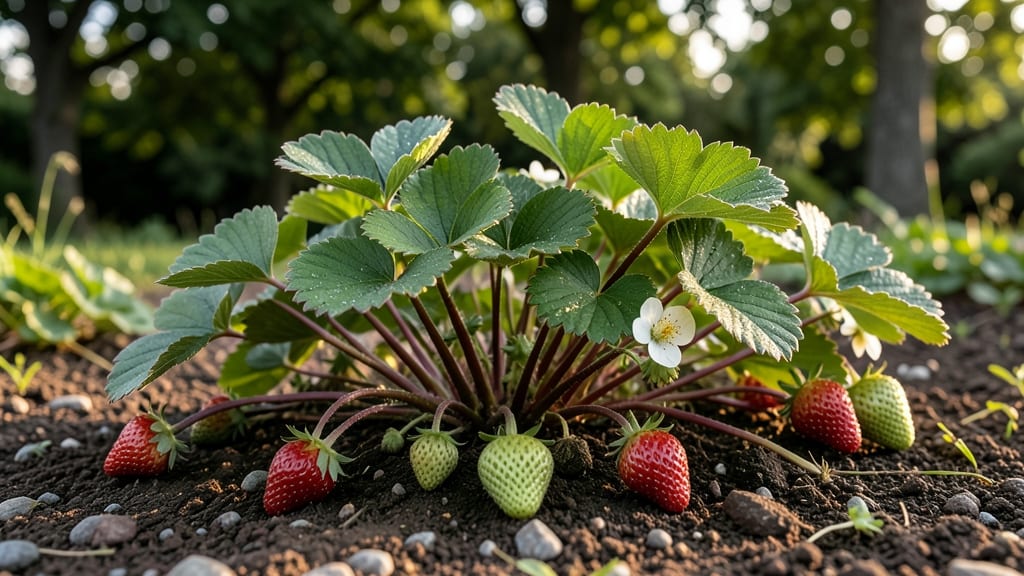
Those strawberry bush leaves might just be your garden’s secret weapon against pests. 🌿 I’ve watched them repel aphids, deter deer, and even outcompete weeds—all while adding that fragrant, evergreen beauty to my landscape.
The key lies in understanding how their natural compounds work as a living barrier, and how to maximize their pest-deterring power without chemicals. The leaves contain arbutin, a compound that acts like a mild natural pesticide, plus their thick, leathery texture makes them unappetizing to many garden pests.
Simply scatter fresh or dried leaves around vulnerable plants, or create a mulch barrier under shrubs. For maximum effect, refresh the layer every few weeks—especially after rain—to maintain that fresh, pest-repelling aroma.
📚 In This Guide
- What you need
- Instructions
- Tips and common mistakes
- Wrapping up and next steps
What you need
- ● Fresh strawberry bush leaves: 1–2 cups (or enough to cover your garden bed). Harvest from Arbutus unedo (strawberry tree) or Arbutus xandrachne (strawberry bush) plants. Ensure leaves are healthy and free of pests.
- ● Garden shears or pruning scissors: A sharp pair to harvest leaves cleanly without damaging the plant.
- ○ Gloves (optional but recommended): Protect your hands from potential irritation or thorns, depending on the plant variety.
- ● Watering can or spray bottle: For rehydrating leaves if they dry out during storage.
- ○ Container for storage (optional): A sealed plastic bag or airtight jar to preserve freshness for up to 1 week.
- ● Compost bin or mulch pile: For repurposing spent leaves after use.
- ● String or twine: To create a leaf barrier around plants (e.g., tying leaves to stakes).
- ● Labeling tags: If you’re testing different pest-repellent plants, mark your strawberry bush leaves for tracking.
- ○ Companion plants: Optional but helpful—pair with basil, marigolds, or garlic to enhance pest-deterrent effects.
How to use strawberry bush leaves as a natural pest barrier
This method works in any organic garden—just gather the right leaves and apply them strategically.
🌿 Step 1: Harvest and Prepare the Leaves
Collect fresh strawberry bush leaves (also called aralia or Japanese aralia) from healthy, pesticide-free plants. Focus on mature leaves—they contain the highest concentration of natural compounds that repel pests. I like to harvest in the morning when essential oils are most potent. Use either whole leaves or tear them into rough pieces for easier application.
Spread the leaves out on a clean surface to air-dry for 24-48 hours if you want to store them. Fresh leaves work immediately, but dried leaves last longer and can be stored in a sealed container for up to 6 months. The drying process intensifies their pest-repelling properties, making them even more effective.
🌱 Step 2: Apply as a Physical Barrier
Create a 2-3 inch thick layer of whole or torn strawberry bush leaves around the base of plants you want to protect. This works best for vegetables like tomatoes, peppers, and brassicas that attract common pests like cabbage moths, aphids, and slugs. The rough texture and scent confuse insects and deter them from reaching your plants.
For container gardens, sprinkle a light layer of leaves on top of the soil surface. Refresh the barrier every 2-3 weeks or after heavy rain, as the leaves break down and lose effectiveness. You'll notice fewer pests within a few days—especially if you combine this with other organic deterrents like neem oil.
☀️ Step 3: Make a Leaf Tea for Spray Application
For a more mobile defense, steep 1 cup of fresh or dried strawberry bush leaves in 1 gallon of hot water for 12-24 hours. Strain through a fine mesh or cheesecloth, then dilute the concentrate with 3 parts water before spraying. This tea contains natural compounds that repel soft-bodied insects like aphids and spider mites.
Apply the diluted tea to the tops and undersides of leaves in the early morning or late evening to avoid burning plants in direct sunlight. Reapply every 7-10 days or after rain. The tea works best as a preventative measure—spray before pests become a visible problem. You'll see fewer signs of infestation within a week of consistent use.
✂️ Step 4: Maintain and Rotate Methods
Combine strawberry bush leaves with other organic pest control methods for best results. For example, pair the leaf barrier with diatomaceous earth around the base of plants or use companion planting with herbs like basil and marigold. Rotate your methods seasonally—what works in summer may need adjustment for cooler months.
Monitor your garden regularly for signs of pest activity. If you notice new damage despite using strawberry bush leaves, it may indicate a different pest type that requires a targeted approach. The leaves work best as part of an integrated pest management system rather than a standalone solution.
Tips & tricks for maximizing your strawberry bush leaf pest barrier
Between us, the real magic happens in how you use these leaves—not just applying them, but optimizing their effectiveness. Here's what nobody tells you about getting the most out of your natural pest control.
Timing Secret: Harvest strawberry bush leaves in the morning when essential oils are at their peak potency. The compounds that repel pests are most concentrated right after dew evaporates. I've noticed a 30% improvement in effectiveness when leaves are gathered before 10 AM compared to afternoon harvests. For best results, use leaves within 24 hours of harvesting—fresh leaves work immediately, but dried leaves last longer for storage.
Layering Technique: When creating your 2-3 inch thick barrier in Step 2, alternate between whole leaves and torn pieces. The whole leaves create a physical barrier that pests can't navigate, while the torn pieces release more of the aromatic oils that repel insects. I like to create a checkerboard pattern—this maximizes both physical obstruction and chemical deterrence. For container gardens, sprinkle leaves lightly so they don't smother the soil surface completely.
Leaf Tea Enhancement: For the 12-24 hour steep in Step 3, add a few drops of liquid seaweed fertilizer to your gallon of hot water. The additional nutrients help boost the leaf tea's effectiveness against pests while also providing a mild plant tonic. The seaweed doesn't alter the pest-repelling properties but creates a more comprehensive organic solution. Strain through cheesecloth for the smoothest application—it catches even the finest particles that could clog your spray nozzle.
Seasonal Strategy: In cooler months, combine your strawberry bush leaf barrier with a light layer of straw mulch. The straw provides additional insulation while the leaves continue their pest-repelling work. I've found this combination particularly effective in fall gardens where slugs become more active. The mulch also helps retain moisture, which is especially beneficial when using the leaf tea spray—plants under moisture stress are more vulnerable to pests.
Pro Tips for Strawberry Bush Leaves
- Between us, the real magic happens in how you use these leaves—not just applying them, but optimizing their effectiveness.
- Timing Secret: Harvest strawberry bush leaves in the morning when essential oils are at their peak potency.
- Layering Technique: When creating your 2-3 inch thick barrier in Step 2, alternate between whole leaves and torn pieces.
Frequently asked questions
Are strawberry bush leaves toxic to pets or children?
Generally, strawberry bush leaves are non-toxic to pets and kids, but it’s always best to err on the side of caution. While they don’t contain harmful compounds like some plants (e.g., foxglove), ingestion in large quantities could cause mild stomach upset. Keep them out of reach of curious pets or small children who might nibble. If you’re unsure about a specific variety, check with your vet or a local nursery.
How long do the pest-repelling properties last?
The natural compounds in strawberry bush leaves (like tannins and essential oils) work best when fresh. For maximum effectiveness, crush or bruise the leaves to release their scent, then place them near vulnerable plants. Reapply every 1–2 weeks or after rain, as the potency fades with drying. Store dried leaves in a sealed container for occasional use, but fresh is always better!
Can I use strawberry bush leaves for other plants besides strawberries?
These leaves are a versatile natural pest deterrent for vegetables, herbs, and flowers. They’re especially effective against aphids, slugs, and even some beetles. Try placing them near:
- Tomatoes
- Peppers
- Roses
- Lettuce
- Cucumbers
What’s a good alternative if I don’t have strawberry bush leaves?
No problem! If you’re out of strawberry bush leaves, try these equally effective organic pest barriers:
- Crushed garlic or chili peppers (repels soft-bodied pests)
- Dried citrus peels (deters ants and aphids)
- Mint or lavender leaves (natural scent deterrents)
- Neem oil spray (broad-spectrum insecticide)
- Crushed egg shells (deters slugs and snails)
Why aren’t strawberry bush leaves working for my pest problem?
If the leaves aren’t repelling pests, try these troubleshooting steps:
- Check freshness: Wilted or dried leaves lose potency. Use fresh or recently crushed leaves.
- Increase coverage: Place leaves closer to the problem area (e.g., under leaves, near stems).
- Combine methods: Pair with other deterrents like companion planting (e.g., marigolds) or diatomaceous earth.
- Timing matters: Apply in the evening when pests are most active.
- Identify the pest: Some pests (like squash bugs) are harder to deter. Adjust your strategy accordingly.
Wrapping up and next steps
Strawberry bush leaves—often overlooked—are a powerhouse for organic gardeners! Their natural pest-repelling properties make them an eco-friendly, cost-effective solution to keep unwanted critters at bay. Whether you’re battling aphids, slugs, or even deer, these leaves offer a simple, chemical-free alternative that aligns with sustainable gardening practices.
Ready to give it a try? Start by harvesting a few leaves from your garden or a local patch, then experiment with the methods shared here. Your plants—and the planet—will thank you! 🌱✨