
Shrubs
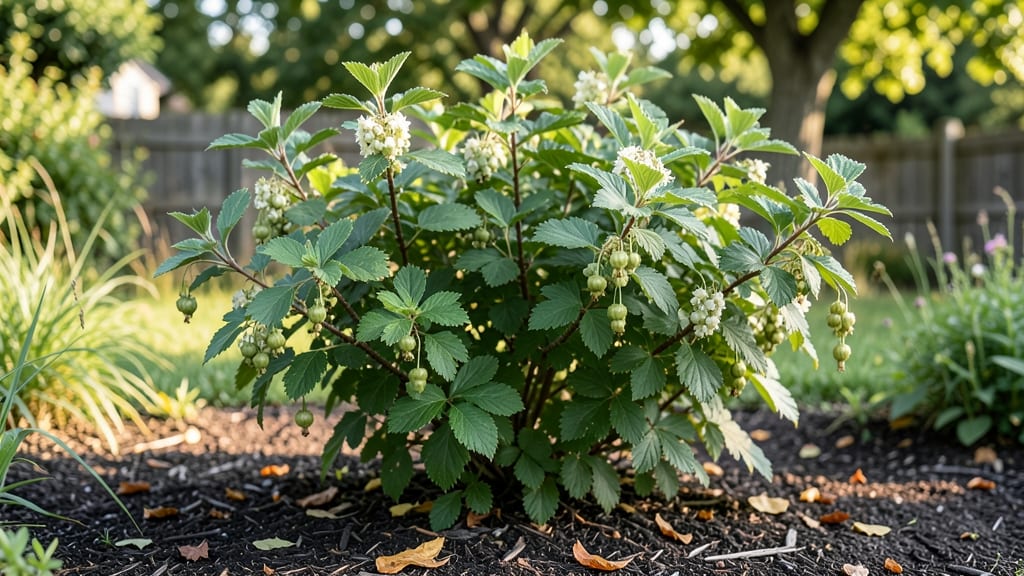
That small green fruit on the bush might be gooseberries, currants, or even young tomatoes—each with its own care needs. 🌿 The trick is matching the plant to its sunlight, soil, and pruning routine.
My thornless currants produce pint-sized red berries that look like mini grapes, while gooseberries stay green until harvest. Most of these shrubs thrive in partial sun and well-draining soil, though currants tolerate wetter spots.
Prune in late winter to shape the bush and encourage fruit production—just avoid cutting back too hard, or you’ll delay next year’s harvest. The key is patience; it takes 2-3 years for new plants to bear fruit.
You’ll recognize gooseberries by their bristly stems and currants by their smooth leaves and clusters. Both handle pests like birds and aphids, but netting and neem oil keep them at bay. The first harvest is always a surprise—sweet, tart, and unexpectedly productive for small spaces.
Works for containers, borders, or even city balconies. Here’s how to tell them apart and keep them thriving!
Why Fruits Stay Tiny & Green
Understanding why your bush produces small green fruit instead of ripe, plump harvests is key to fixing the issue. Let’s break down the real culprits—from environmental factors to plant health—so you can take targeted action.
If your bush isn’t getting 6–8 hours of full sun daily, photosynthesis slows down, limiting energy for fruit development. Small, green fruits often mean the plant is starving for light, leaving them underdeveloped and unable to ripen.
How to fix it:
- Relocate the bush to a sunnier spot (south-facing is ideal in the Northern Hemisphere).
- Thin nearby trees or structures blocking sunlight.
- Use reflective mulch (like white gravel) to bounce extra light onto the plant.
💡 Pro Tip: If moving isn’t an option, prune competing branches to improve airflow and light penetration.
Fruit development is highly sensitive to moisture levels. Too little water causes stress, while overwatering leads to root rot, both halting growth.
- Underwatering: Leaves curl, fruits stay small, and the plant conserves energy.
- Overwatering: Roots suffocate, nutrients can’t reach the fruit, and mold may develop.
Action steps:
- Water deeply 1–2 times per week (check soil moisture—top 2 inches should be dry).
- Use drip irrigation to deliver water directly to roots (avoids wetting leaves).
- Improve drainage by amending soil with compost or perlite.
🌡️ Watch for: Drooping leaves (underwatering) or yellowing foliage (overwatering).
Fruits need phosphorus (P) and potassium (K) to swell and ripen. If soil lacks these, your bush may produce tiny, green, underdeveloped fruit.
Common deficiencies:
- Nitrogen (N) excess → Lush leaves, but no fruit.
- Phosphorus (P) shortage → Slow root and fruit growth.
- Potassium (K) deficit → Weak cell development, poor flavor.
How to correct it:
- Test your soil (kits are affordable and accurate).
- Add balanced fertilizer (10-10-10) at planting, then switch to 5-10-10 when buds form.
- Use organic amendments like bone meal (for P) or banana peels (for K).
✨ Bonus: A foliar spray with seaweed extract can boost nutrient uptake quickly.
Pests like aphids, spider mites, or fruit flies sap energy from the plant, leaving fruits stunted. Diseases (e.g., powdery mildew, bacterial spot) can also disrupt growth.
Signs to watch for:
- Holes in leaves (caterpillars, sawflies).
- Sticky residue (aphids, scale insects).
- White powder (mildew) or black spots (fungus).
Solutions:
- Handpick pests early in the morning.
- Spray neem oil (safe for most plants, deters pests).
- Remove infected leaves and prune for airflow.
🎯 Preventative tip: Copper fungicide can stop bacterial/fungal spread before it starts.
Over-pruning removes too many fruit-producing branches, while under-pruning leads to crowded growth and poor airflow. Both scenarios can result in small, green, underripe fruit.
Correct pruning practices:
- Prune in late winter/early spring (before new growth).
- Remove dead/diseased wood first.
- Thin out overcrowded branches (aim for open canopy for sunlight).
🔪 Key rule: Never cut more than 25% of the bush in one season.
Some bushes (like gooseberries or currants) need cross-pollination from another variety. If no pollinators (bees, wind) or a second plant is present, fruits may stay small and green.
How to help:
- Plant a second variety within 20–30 feet for cross-pollination.
- Hand-pollinate with a small brush if bees are scarce.
- Avoid late frosts (damage flowers before they open).
🐝 Fun fact: Some bushes (like juniper berries) are self-pollinating, but others need a partner! Check your variety.
If your bush is less than 2–3 years old, it may still be focusing on root and foliage growth rather than fruit production. Patience is key!
What to do:
- Feed lightly with a low-nitrogen fertilizer (e.g., 3-4-6) to encourage fruiting.
- Reduce stress (consistent watering, mulch) to speed up maturity.
📊 Timeline: Most thornless varieties bear well by year 3, with peak production at years 5–10.
Fixing Common Bush Fruit Issues
If you’ve spotted small green fruits on your bush but they’re not thriving—or worse, disappearing—don’t panic! Most problems have simple, actionable fixes. Below, we’ve mapped the most common issues to their solutions, plus prevention tips to keep your thornless bush healthy and productive.
Cause: Too many plants competing for sunlight, water, and nutrients. Fix:
- Prune aggressively 🔪 during dormancy (late winter/early spring). Remove 1/3 of the oldest canes to improve airflow and sunlight penetration.
- Thin out branches 🌿—aim for 3-5 main stems per plant, spacing them evenly.
- Mulch properly 🌍 with 2-3 inches of organic mulch (wood chips, straw) to retain moisture and suppress weeds.
Prevention Tip: 💡 Plant new bushes 4-6 feet apart to avoid future overcrowding.
Cause: Birds, insects (aphids, Japanese beetles), or rodents snacking on your harvest. Fix:
- Physical barriers 🛡️: Use bird netting (fine mesh) or row covers over the bush before fruits ripen.
- Natural repellents 🌿:
- Neem oil spray (1 tsp neem oil + 1 tsp dish soap per quart of water) for aphids.
- Diatomaceous earth (food-grade) around the base to deter crawling pests.
- Handpick pests 👨🍳 early in the morning when they’re sluggish (drop them in soapy water).
Prevention Tip: 🌡️ Encourage predator insects (ladybugs, lacewings) by planting dill, fennel, or marigolds nearby.
Cause: Irregular watering leads to blossom drop or fruit rot. Fix:
- Check soil moisture 🌧️: Stick your finger 2 inches deep—if dry, water deeply (1-2 inches per week).
- Water at the base 💦 (avoid wetting leaves) to prevent fungal diseases.
- Adjust for weather ⏰: Water more in summer, less in winter (unless drought-stricken).
Prevention Tip: ✨ Install a drip irrigation system for consistent moisture without over-saturating.
Cause: Fruits stay green because they’re not getting 6+ hours of direct sun. Fix:
- Relocate the bush 🌞 to a sunnier spot (south-facing is ideal in the Northern Hemisphere).
- Prune nearby shade trees 🌳 or structures blocking light.
- Use reflective mulch 🪞 (white plastic or aluminum foil) around the base to bounce light upward.
Prevention Tip: 🎯 Plant in a raised bed if your yard has persistent shade issues.
Cause: Late frosts or heatwaves can stop fruit development. Fix:
- Protect from frost ❄️: Cover the bush with frost cloth on cold nights (remove during the day).
- Shade cloth ☀️: Use 30-50% shade fabric in scorching summers to prevent sunburn.
- Water deeply 💧 before heatwaves to help the plant resist stress.
Prevention Tip: 💡 Choose heat-tolerant varieties (e.g., ‘Thornless Boysenberry’ or ‘Jumbo’ blackberry) if you live in a hot climate.
Cause: Humidity + poor airflow = powdery mildew or botrytis. Fix:
- Improve airflow 🌬️: Prune to open the bush’s center.
- Fungal sprays 🍄:
- Baking soda spray (1 tbsp baking soda + 1 tsp oil + 1 gallon water).
- Copper fungicide (follow label instructions).
- Remove infected fruit/branches 🧹 immediately to stop spread.
Prevention Tip: 🌿 Space plants widely and avoid overhead watering.
Cause: Lack of nitrogen, phosphorus, or potassium. Fix:
- Test your soil 📊 (use a DIY kit or send to a lab).
- Amend with compost 🌱 (work in 2-3 inches in early spring).
- Targeted fertilizers 💪:
- High-nitrogen (for leafy growth) early in the season.
- Balanced 10-10-10 (for fruiting) at bloom time.
Prevention Tip: ✨ Mulch annually with compost to slowly release nutrients.
- Spring: Prune, fertilize, check for pests.
- Summer: Monitor watering, protect from pests, thin fruit if needed.
- Fall: Mulch, prune dead wood, harvest remaining fruit.
- Winter: Plan next year’s care (e.g., soil tests, variety upgrades).
With these fixes, your small green fruits will grow into plump, flavorful harvests—no thorns required! 🍇🌱
Frequently asked questions
What are the most common bushes that produce small green fruits?
The most likely candidates are gooseberries (with bristly stems and tart berries), currants (smooth leaves, grape-like clusters), and young tomato plants (though tomatoes are vines, not bushes). Other possibilities include juniper berries (evergreen shrubs) or elderberries (which start green and turn purple).
How do I tell if my small green fruits are edible?
Check the plant's characteristics: Gooseberries have spiny stems, currants have smooth leaves and grow in clusters, while tomatoes have compound leaves. If you're unsure, research the plant's leaf shape, growth habit, and fruit arrangement. Avoid eating unknown fruits unless you're certain they're non-toxic (some ornamental bushes have poisonous berries).
Why are my bush fruits staying small and green instead of ripening?
This usually happens due to insufficient sunlight (less than 6 hours daily), poor nutrition (lack of phosphorus/potassium), or watering issues (either too much or too little). Other culprits include pest damage (aphids, spider mites) or overcrowding that blocks sunlight. Check your plant's care routine and adjust accordingly.
Can I grow these small-fruited bushes in containers?
Yes! Currants and gooseberries adapt well to containers (use at least 15-gallon pots), while tomatoes thrive in large containers with proper support. Choose dwarf varieties for smaller spaces. Ensure containers have drainage holes and use well-draining potting mix. Container-grown plants may need more frequent watering and fertilizer.
When should I harvest these small green fruits?
Harvest timing varies: Gooseberries ripen when fully green (late summer), currants when deep purple/red (mid-summer), and tomatoes when firm and colored (varies by variety). Always harvest in the morning when fruits are coolest. For berries, gently twist them off the stem - they should come off easily when ripe.