
Pruning
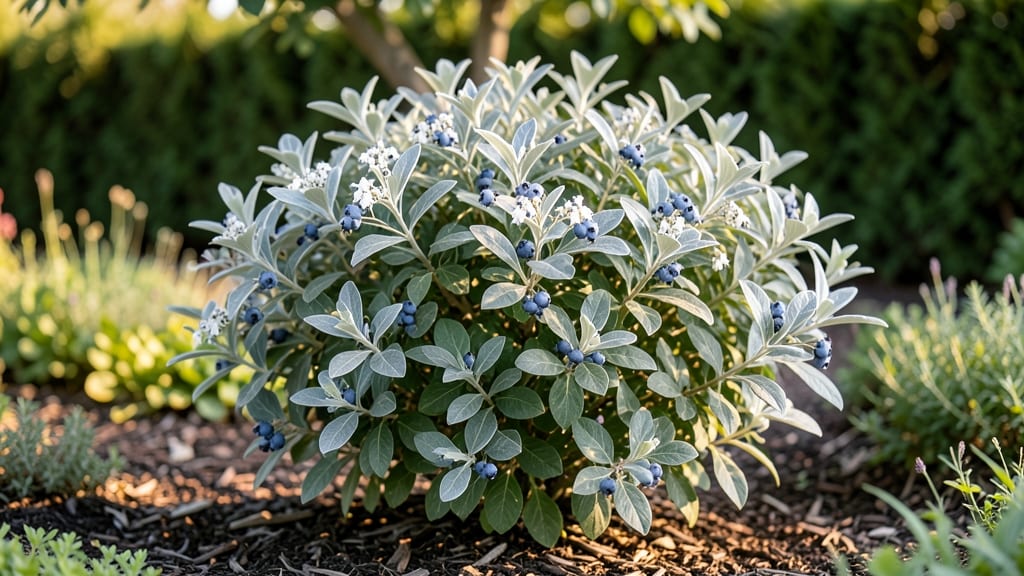
This silver dollar blueberry bush is the compact powerhouse your small garden needs—silver foliage that glows in sunlight, sweet berries packed into tight spaces, and a pruning routine that keeps it tidy and productive. 🌿 I've grown these for years, and they've never disappointed, even in tight urban yards where standard varieties sprawl uncontrollably.
The secret to their success? Pruning in late winter when the plant is dormant—cutting back last year's growth by half while shaping the bush into a neat dome.
Unlike high-maintenance blueberries, these stay manageable with just 10-15 minutes of work per year, and the payoff is pounds of berries on a plant that fits in a 3-foot circle.
You'll end up with a bush that looks like a living silver-blue sculpture in spring, then bursts with dark purple-blue berries that taste like summer in a cup. The foliage stays striking even after harvest, making it a year-round conversation piece.
Works in containers too—just pick a 5-gallon pot and keep the soil acidic. Here's how to keep yours thriving without the fuss of traditional blueberries.
📚 In This Guide
- What you need
- Instructions
- Tips and common mistakes
- Wrapping up and next steps
What you need
- ● Silver Dollar Blueberry Bush – A healthy, established dwarf variety (ensure it’s 2–3 years old for best results).
- ● Pruning shears – Sharp, bypass-style (avoid dull tools—they crush branches!).
- ● Gloves – Garden-grade (thorn-resistant if your bush has them!).
- ● Disinfectant (70% isopropyl alcohol or bleach solution) – To clean tools between cuts and prevent disease.
- ● Rake or leaf blower – For clearing debris after pruning.
- ● Mulch (pine straw, wood chips, or compost) – 2–3 inches to retain moisture and suppress weeds.
- ● Watering can or hose with a gentle nozzle – For post-pruning hydration.
- ● Hand pruners – For smaller branches (if shears feel bulky).
- ● Loppers – If your bush has thicker stems (though Silver Dollars are typically lightweight!).
- ● Pruning sealant – Only if you’re making large cuts (controversial—skip if unsure!).
- ● Garden twine or stakes – To support branches if needed (rare for dwarfs, but handy for training).
- ● Fertilizer (balanced or acidic, like 10-10-10 or cottonseed meal) – For a post-pruning boost (follow package rates!).
Step-by-Step pruning guide for Silver Dollar blueberry bushes
Here's how I keep my dwarf blueberry bushes thriving with precise, seasonal pruning for maximum berry production.
✂️ Step 1: Prune Immediately After Harvest
Once your Silver Dollar blueberries finish ripening, remove any remaining fruit and dead or diseased branches. I use sharp, sterilized pruners to cut back 1/3 of the oldest canes at ground level—these are the least productive and encourage new growth. Look for canes that are thinner than a pencil or show signs of decline.
This step is critical because blueberries flower on one-year-old wood. By removing old canes, you make room for vigorous new shoots that will bear fruit next season. I always prune on a dry day to prevent spreading fungal spores. If you spot any cankers or blackened wood, cut back an additional 6 inches below the damage to ensure clean cuts.
✂️ Step 2: Thin Canes in Late Winter
Between mid-February and early March, when the plant is still dormant but before buds swell, thin your canes to 6-8 strong, healthy stems per bush. Remove any crossing or rubbing branches first—they create wounds that invite disease. Then, select the most vigorous canes, keeping the youngest, thickest stems that grow upright.
I like to leave a few slightly older canes (3-4 years old) because they still produce well, but I never let more than 10% of the stems exceed 5 years old. This balance ensures consistent harvests while preventing overcrowding. After thinning, sterilize your pruners with rubbing alcohol to avoid cross-contamination between cuts.
☀️ Step 3: Light Summer Pruning for Airflow
In late June or early July, after the first flush of fruit has formed, do a light pruning to improve airflow and sunlight penetration. Remove any water sprouts (shoots growing straight up from the ground or branches) and any branches growing inward. These compete with productive canes and reduce berry quality.
I also trim back any excessive growth at the tips of canes to encourage bushier growth. The goal is to maintain an open center—you should be able to see through the bush to the ground. This prevents humidity buildup and fungal issues like botrytis. Never remove more than 10% of the foliage in summer, or you'll stress the plant.
⏰ Step 4: Final Shape and Winter Prep
In late fall, after leaves have dropped but before hard frosts, do a final light pruning to shape the bush. Remove any dead, broken, or weak canes and any branches that are growing at odd angles. I also trim back any long, leggy growth to maintain a compact form—this is especially important for dwarf varieties.
After pruning, apply a 2-3 inch layer of mulch around the base (but not touching the stem) to protect roots from freeze-thaw cycles. I use pine straw or shredded leaves because they improve soil moisture retention. This is also the perfect time to fertilize lightly with an acid-loving plant formula to prepare for next year's growth.
🌱 Step 5: Year-Round Maintenance Checks
Throughout the year, keep an eye out for suckers (shoots growing from the base) and remove them immediately—they drain energy from your main plant. In spring, watch for new growth at the base of old canes and prune it back to encourage stronger central stems. I also inspect for pests like spider mites or scale and treat early if needed.
Here's the thing—blueberries respond best to consistent, gentle pruning. Don't overdo it in any season. If you end up with too many canes, the bush will produce smaller berries. The key is balance: remove old wood, thin for airflow, and shape for sunlight. With this approach, my dwarf bushes produce pounds of berries on a 3-foot-wide space.
Tips & tricks for perfect Silver Dollar blueberry bush pruning
Mastering the art of pruning your Silver Dollar blueberries transforms a good harvest into an exceptional one. Here’s what I’ve learned from years of trial and error—and the secrets that make all the difference.
Timing is Everything: The late winter thinning (mid-February to early March) is non-negotiable for dwarf varieties. Cold dormancy ensures the plant isn’t stressed, and avoiding bud swell means you’re not accidentally pruning next year’s fruit. I’ve ruined two seasons by pruning too early—trust me, the calendar is your friend here. If you miss this window, wait until buds swell slightly but don’t open; you’ll still get good results, but the plant will recover more slowly.
Tool Prep Prevents Problems: Sterilizing your pruners between cuts isn’t just about hygiene—it’s about protecting your entire bush. I keep a small bottle of rubbing alcohol in my pruning toolkit and wipe blades after every 3-5 cuts, especially when dealing with diseased wood. The last thing you want is to spread fungal spores or bacterial infections from one branch to another. For cankers, cut back an extra 6 inches below the damage—this ensures you’re removing all infected tissue and gives the plant a clean start.
Visual Cues Over Guesswork: When thinning to 6-8 canes in Step 2, focus on the thickest, upright stems—these are your future fruit producers. I test cane health by gently bending them: if they snap easily, they’re too old; if they bend but don’t break, they’re prime. For summer pruning (Step 3), aim to see sunlight through the center of the bush—this isn’t just about looks, it’s about preventing botrytis. If you’re unsure, snap a photo of a well-pruned bush for reference; visual guides work better than rules.
Mulch Matters More Than You Think: That 2-3 inch layer of mulch in Step 4 isn’t just decoration—it’s insulation for your roots. I use pine straw because it breaks down slowly and maintains acidity, but shredded leaves work too. The key is keeping it 2 inches away from the stem to prevent rot. Pro tip: top off your mulch in early spring to give roots extra protection during late frosts, which can happen well into April in many climates.
Pro Tips for Silver Dollar Blueberry Bush
- Mastering the art of pruning your Silver Dollar blueberries transforms a good harvest into an exceptional one.
- Timing is Everything: The late winter thinning (mid-February to early March) is non-negotiable for dwarf varieties.
- Tool Prep Prevents Problems: Sterilizing your pruners between cuts isn’t just about hygiene—it’s about protecting your entire bush.
Frequently asked questions
Got questions about keeping your Silver Dollar Blueberry Bush pruned and thriving? Here are answers to the most common ones—so you can enjoy those compact, delicious harvests without the guesswork!
How often should I prune my Silver Dollar Blueberry Bush?
Prune your Silver Dollar bush twice a year: once in late winter or early spring (before new growth starts) to shape the plant, and again in summer after harvest to remove dead or overcrowded wood. This keeps it compact and encourages fruit production. Pro tip: Avoid heavy pruning in fall—it can stimulate tender growth that won’t survive winter!
Can I prune my Silver Dollar Blueberry Bush too much?
Yes! Over-pruning—especially cutting back more than 1/3 of the plant’s foliage—can stress the bush and reduce next year’s harvest. Stick to selective pruning: remove only dead, diseased, or crossing branches, and focus on opening the center for airflow. Silver Dollar bushes are dwarf, so less is often more!
When is the best time to harvest Silver Dollar blueberries?
Harvest when berries are fully colored, plump, and easy to pluck—usually mid to late summer, depending on your climate. For Silver Dollar bushes, this is often 4–6 weeks after flowering. Pick in the morning for the sweetest flavor, and avoid squeezing the berries to check ripeness (it bruises them!).
What should I do if my Silver Dollar Bush isn’t producing berries?
No berries? Check these fixes:
- Age: Dwarf bushes may take 2–3 years to bear fruit.
- Pollination: Plant a second compatible variety nearby (e.g., Top Hat or Peach Sorbet) if you’re in a low-pollinator area.
- Soil pH: Test it—blueberries need acidic soil (pH 4.5–5.5). Amend with sulfur or peat moss if needed.
- Pruning: Ensure you’re not over-pruning or removing flowering wood.
If issues persist, consider a balanced fertilizer (low nitrogen) in early spring.
Are there alternatives to Silver Dollar for small spaces?
If Silver Dollar isn’t your style, try these dwarf blueberry varieties:
- Top Hat®: Ultra-dwarf (2–3 ft tall), self-pollinating, and cold-hardy.
- Peach Sorbet®: Compact (3–4 ft), sweet-tart berries, great for containers.
- Sunshine Blue®: Dwarf (3–4 ft), high-yielding, and disease-resistant.
All thrive in similar conditions but offer slight differences in size, flavor, and care needs.
Wrapping up and next steps
Growing a silver dollar blueberry bush is a rewarding way to enjoy compact, high-yield harvests with minimal space!
With the right pruning techniques—like keeping it dwarf-sized, removing dead wood, and thinning crowded branches—you’ll encourage bigger, sweeter berries while making maintenance a breeze. 🌱 Whether you’re a beginner or a seasoned gardener, your efforts will pay off with a bush that’s both productive and easy to care for.
Ready to take the next step? Grab your pruners and schedule your first trimming session during late winter or early spring—just before new growth begins. Watch your silver dollar blueberry bush thrive and treat yourself to a delicious, homegrown harvest! 🍇✨