
Shrubs
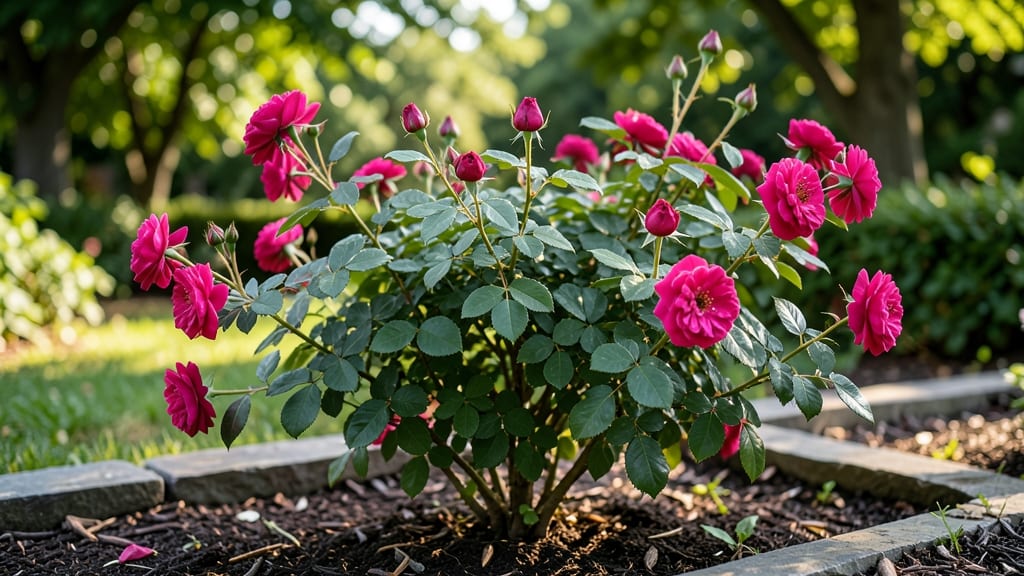
For rose bushes in Zone 4, choose cold-resistant varieties like David Austin English Roses or Rugosa roses, plant them in well-draining soil with winter mulch, and ensure they get full sun daily for strong growth and vibrant blooms.
Zone 4's harsh winters demand special attention when growing roses, but the right choices make it totally doable. 🌹 These hardy varieties can withstand temperatures down to -30°F, while proper soil preparation and mulching create a protective barrier against freezing.
I've found that planting in late spring or early fall gives roots time to establish before winter sets in—this small adjustment can mean the difference between thriving bushes and frost damage.
What sets these roses apart is their ability to bounce back after winter dormancy. Rugosa roses, for example, not only survive Zone 4 winters but also produce stunning blooms and fragrant hips.
The key is combining the right variety with smart care—like adding 3-4 inches of mulch around the base in late fall and pruning back dead growth in early spring. This two-step approach keeps your roses healthy and ready to bloom come summer.
💡 In This Article
- Best Cold-Hardy Rose Varieties for Zone 4 Winters
- Zone 4 Rose Planting and Winter Care Guide
Best cold-hardy rose varieties for Zone 4 winters
Zone 4's extreme cold (-30°F to -20°F) eliminates most tender roses, but specific varieties have evolved to thrive here.
David Austin English Roses like 'Gertrude Jekyll' and 'Munstead Wood' excel because their hybrid tea heritage gives them strong canes that resist wind damage, while their shrub-like growth habit allows snow to insulate the crown.
These roses achieve their hardiness through a combination of thick bark and deep root systems that store energy for spring regrowth.
The real standouts for Zone 4 are Rugosa roses like 'Hansa' and 'Blanc Double de Coubert'. Rugosas have a natural resistance to black spot fungus (common in humid summers) and their multi-stemmed growth spreads out, preventing frost from penetrating the center.
Their hips—dried fruit—provide extra insulation during winter. 🌹 What's fascinating is how these roses actually benefit from cold stratification, where winter chilling breaks dormancy more effectively than warm climates.
Hybrid teas, while popular, struggle in Zone 4 because their single-stem growth makes them vulnerable to freeze damage at the graft union. Shrub roses, on the other hand, have multiple canes that regenerate even if some die back.
For example, 'Knock Out' roses (Rosa 'Radrazz') survive by forming new shoots from the base, while 'Explosion' roses produce vibrant blooms even after severe winters. The secret lies in their ability to photosynthesize year-round in milder winters.
When selecting varieties, check the American Rose Society's hardiness ratings—look for Zone 3 or 4 labels. Some underrated performers include 'John Cabot' (a climber) and 'The Fairy' (a miniature), both of which have earned top marks for winter survival.
These roses demonstrate that beauty and resilience aren't mutually exclusive in cold climates. The key is choosing varieties bred specifically for northern conditions rather than forcing southern types to adapt.
Color plays a subtle role too. Darker petals absorb more sunlight in winter, creating microclimates that prevent freezing. This is why deep red or purple roses often outperform pale varieties in Zone 4.
The pigmentation helps maintain stem temperatures slightly above freezing during sunny winter days. For gardeners, this means selecting richly colored blooms can be a strategic choice for winter hardiness.
One common misconception is that all cold-hardy roses bloom poorly. In reality, many Zone 4 varieties like 'Bonica' produce abundant flowers because their dormancy period actually enhances bloom production. The cold winter months trigger hormonal changes that result in more vigorous spring growth and flowering.
This biological mechanism explains why roses in colder climates often outperform those in mild winters.
For best results, pair your rose selection with proper site preparation. The right variety alone won't guarantee success—it needs the right growing conditions to express its full hardiness potential. 💫