
Pruning
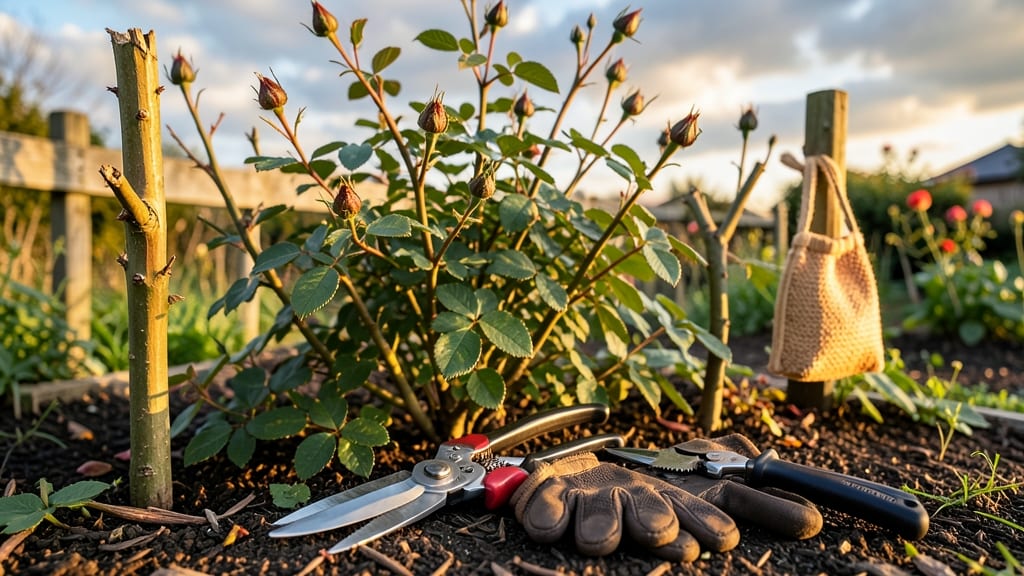
Trimming your rose bush at the right time is the key to stronger blooms and a healthier plant 🌹 — and late winter is the perfect window to get it done.
Did you know trimming your rose bushes at the wrong time can stunt spring blooms—or worse, kill your plants? Late winter is the golden window, but timing and technique make all the difference.
If you’ve ever watched your roses struggle to recover after a harsh prune or fail to bloom as expected, you’re not alone. The secret lies in understanding when to cut back, how much to remove, and how your local climate affects the process.
In this guide, I’ll walk you through the exact late winter trimming timeline for your zone, step-by-step pruning techniques, and the 5 biggest mistakes that sabotage spring blooms—so you can enjoy a bush bursting with color all season long.
The exact late winter rose trimming timeline (by climate zone)
Late winter is the perfect time to trim your rose bushes for a bloom-filled spring, but the exact timing depends on your USDA zone. Trimming too early risks frost damage, while waiting too late delays new growth.
Let’s break down the ideal trimming window for zones 3 through 10, including how to calculate your frost-free date and adjust for regional quirks.
Northern gardeners in zones 3-5 face the harshest winters, so timing is critical. Southern gardeners in zones 8-10 have more flexibility but still risk late frosts or heat stress if they prune at the wrong time.
The key? Trim after the last hard frost but before active growth begins. For most regions, this falls between mid-February and early April, but let’s narrow it down.
🌹 Pro Tip: Use your average last frost date as your pruning deadline. Add 2-4 weeks before that date to ensure safety. For example, if your last frost is April 15th, aim to finish pruning by March 20th. This gives your roses time to heal cuts before new growth starts.
For zone 3-4 gardeners, patience is key. Prune too early, and frost can damage fresh cuts. Wait until the soil thaws and daytime temps consistently stay above 40°F.
In my zone 4 garden, I mark my calendar for March 15th—just before the average last frost of April 1st. If you’re unsure, use a frost calendar from your local Cooperative Extension Service for precise dates.
Southern gardeners in zones 9-10 have the earliest trimming window, but don’t rush. Pruning in December is ideal, but avoid it if holiday frosts are forecasted.
In zone 10, I trim in late December to encourage early spring blooms, but I always check the 10-day forecast first. Heat stress is another concern—prune on cloudy days to reduce shock.
Regional quirks matter! For example, Pacific Northwest gardeners in zone 7 should delay pruning if wet winters persist, as fungal diseases thrive in damp conditions. Meanwhile, Midwest zone 5 gardeners might need to prune 2 weeks later than coastal zone 5 counterparts due to colder inland winters.
Always observe your local microclimate—a south-facing slope warms faster than a north-facing yard.
If you’re still unsure about your frost-free date, use this simple calculation: Subtract 14 days from your average last frost date. For instance, if your last frost is April 10th, aim to finish pruning by March 26th.
This buffer ensures your roses have time to seal cuts before new growth begins. 🌱
Remember, late winter pruning isn’t just about timing—it’s about preparing for spring. By trimming at the right time, you’ll remove dead wood, improve airflow, and encourage stronger blooms. Next,
Step-by-step late winter pruning guide for healthier roses
Late winter is the perfect time to prune rose bushes, but doing it right ensures vibrant blooms all season. I’ve pruned my hybrid tea roses for years, and this method transforms weak growth into lush, healthy plants.
The key? Timing, tools, and precise cuts—not just hacking away randomly.
Before you grab your shears, know that late winter means after the worst frost but before new growth starts. In USDA Zone 6a (like my garden), that’s mid-February to early March.
Miss this window, and you risk delayed blooms or even plant stress. Let’s get started with the right steps.
Your Late Winter Rose Pruning Checklist
- 1 Gather your tools: Bypass pruners, loppers, disinfectant (rubbing alcohol), sharpie, and gloves. Dull shears tear stems—always test your blades first!
- 2 Remove dead/diseased wood: Look for blackened, mushy, or hollow canes. Cut these back to healthy tissue—you’ll see green inner bark. Never leave dead wood; it spreads disease.
- 3 Shape the bush: Aim for an open center with outward-facing canes. Cut 1/4 inch above a bud (the bump on the stem) at a 45-degree angle. This encourages strong growth and better airflow.
- 4 Mark canes to remove: Use a sharpie to label weak or crossing canes for later. Keep 3-5 strongest canes per plant—more than that overcrowds the center. Thin aggressively for bigger blooms!
- 5 Clean up cuts: Wipe pruners with rubbing alcohol between cuts to prevent disease spread. Dispose of diseased canes in the trash, not the compost. Never leave cut ends on the ground!
- 6 Post-prune care: Apply a 2-inch mulch layer around the base (but not touching the stem) to retain moisture. Water deeply but sparingly—roses hate wet feet. Wait 4-6 weeks before fertilizing to avoid burning new growth.
Pro tip: Disinfect your tools between plants to avoid spreading black spot or powdery mildew. I use a 10% bleach solution (1 part bleach to 9 parts water) for stubborn cases. After pruning, rake up debris—it’s a disease magnet if left on the soil.
Your roses will thank you with stronger stems, more blooms, and better resistance to pests. Just remember: Less is more—aggressive pruning now means bigger rewards come summer. Grab your shears and get to work! 🌹✂️