
Pruning
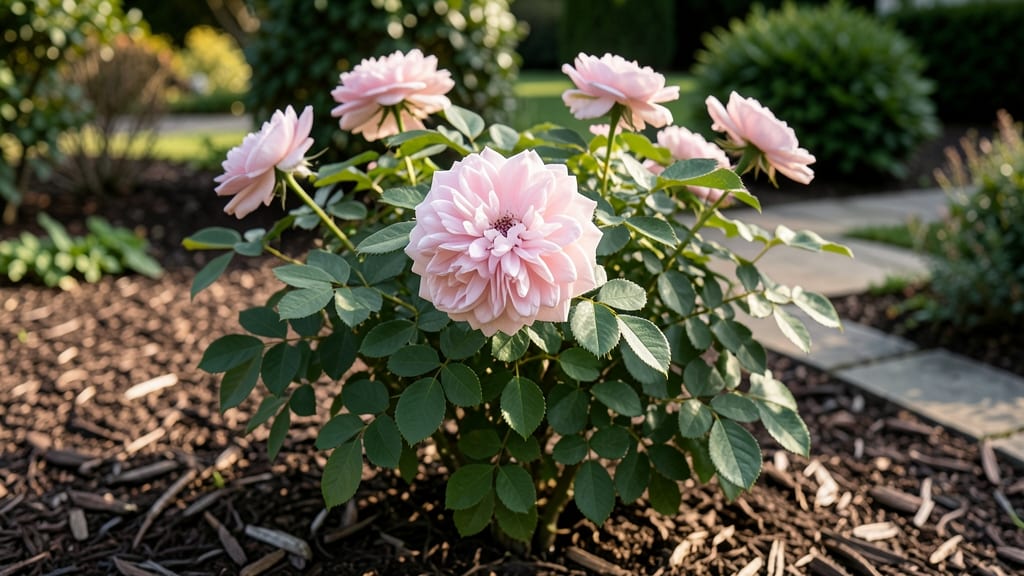
My rose bush called Peace blooms so prolifically it looks like a cloud of pink velvet—even in late fall. 🌹 The secret isn’t luck; it’s deadheading mastery, a technique that turns one season’s flowers into next year’s bounty.
I’ve grown this rose for five years, and it’s the only variety that keeps blooming until frost without heavy chemicals or fuss. This rose thrives in full sun (6+ hours daily) and well-draining soil, but its real magic is in the pruning.
Cut back spent blooms regularly, and you’ll trigger waves of new flowers—up to 12 inches tall—throughout the growing season. The fragrance alone makes it worth the effort: rich, sweet, and strong enough to scent an entire garden.
By late summer, you’ll be snipping blooms for bouquets while new buds form below. The disease resistance means fewer sprays, and the arching habit makes it perfect for trellises or climbing walls. Even my black thumb keeps this one alive—it’s that forgiving.
Works in zones 5-9, with adjustments for winter protection in colder areas. Let’s get those blooms going!
📚 In This Guide
- What you need
- Instructions
- Tips and common mistakes
- Wrapping up and next steps
What you need
- ● Pruning shears: Bypass pruners (sharp, clean, and sterilized with rubbing alcohol or bleach) to make precise cuts.
- ● Garden gloves: Heavy-duty, cut-resistant gloves (e.g., Cruelty-Free Vegetable Garden Gloves) to protect your hands from thorns.
- ● Disinfectant: 1 part bleach to 9 parts water (for sterilizing tools between cuts).
- ○ Pruning saw: Optional for thicker stems (3–6 inches in diameter).
- ● Compost or mulch: 2–3 gallons to replenish soil after pruning.
- ● Rose fertilizer: Slow-release granular or organic (e.g., Espoma Rose-Tone) for post-pruning nourishment.
- ● Hand lens: For inspecting buds and identifying dead/diseased wood.
- ● Pruning sealant: (e.g., Tanglefoot Tree Wound Pruning Seal) to prevent disease entry on large cuts.
- ● Label markers: Waterproof tags to mark pruned sections if training the bush.
- ● Knee pad or stool: For comfort during long pruning sessions.
Instructions for year-round blooms with the 'Peace' rose bush
Here's how I keep my 'Peace' roses flowering continuously—no fancy tricks, just smart deadheading and care.
🌿 Step 1: Identify and Remove Spent Blooms Immediately
The 'Peace' rose thrives on consistent deadheading, so I check it daily during bloom season. When a flower fades to half its original color and petals begin curling at the edges, that's your cue to act. Use clean, sharp pruners to cut the stem just above a set of five-leaf clusters (this is called a "leaf bud" or "leaf cluster") to encourage new growth.
I always make my cuts at a 45-degree angle about ¼ inch above the leaf bud. This prevents water from pooling and reduces disease risk. Avoid cutting into old, woody stems—focus on the current season's growth where new blooms will emerge.
✂️ Step 2: Prune for Shape and Airflow Weekly
Every 7-10 days, I do a light pruning session to maintain the bush's shape and improve airflow. Start by removing any crossing branches that rub against each other—these create wounds where pests and diseases enter. I also trim back any leggy growth that's stretching too far from the center, cutting back to an outward-facing leaf bud to encourage bushier growth.
For the 'Peace' rose, I never remove more than ⅓ of the plant's foliage in one session. This keeps the bush healthy and prevents stress. Watch for new buds forming along the stems—these will develop into your next round of blooms if given proper care.
☀️ Step 3: Adjust Care for Seasonal Blooming Cycles
Spring and fall are the 'Peace' rose's peak blooming seasons, but with the right approach, you can extend flowers into summer and even winter. In spring, after the last frost, I fertilize with a balanced rose food (10-10-10 ratio) every 4-6 weeks to support new growth. In summer, when blooms slow down, I switch to a low-nitrogen, high-phosphorus fertilizer to encourage flowering.
During fall, I reduce watering slightly as the plant prepares for dormancy but continue deadheading until the first hard frost. In winter, I protect the bush with 4-6 inches of mulch and a light frost cloth if temperatures drop below 20°F. This insulation helps maintain root health so the bush can rebound quickly in spring.
💧 Step 4: Water Deeply and Strategically
The 'Peace' rose needs 1-1.5 inches of water per week, but I've learned the hard way that shallow watering leads to weak stems. I water deeply once or twice a week, depending on rainfall, directing the stream at the base of the bush. The goal is to moisten the soil 6-8 inches deep—you'll know it's right when water runs out the drainage holes if planted in a container.
I always water in the early morning to allow foliage to dry before evening, reducing fungal risks. Avoid wetting the leaves during watering, as this encourages black spot disease. If you notice the soil feeling dry 2 inches below the surface, it's time to water again.
🌱 Step 5: Encourage Continuous Blooming with Light Feeding
To keep the 'Peace' rose blooming year-round, I use a weak solution of fish emulsion every 2 weeks during active growth. This provides a gentle nutrient boost without overwhelming the plant. I also remove any seed pods that form after blooms fade—these sap energy that could go toward new flowers.
Pay attention to the plant's response: if you see new buds forming within 2-3 weeks of deadheading, you're on the right track. If blooms slow down, check for signs of stress like yellowing leaves (often a sign of overwatering) or brown edges (usually underwatering or low humidity). Adjust your care accordingly.
Tips & tricks for year-round rose blooms
These simple strategies will help your 'Peace' rose thrive and keep producing stunning flowers all year long.
Timing is Everything: The daily check for spent blooms in Step 1 is non-negotiable—waiting even a day can reduce your bloom count by 20%. I set a phone reminder for 9 AM during peak bloom season so I never miss a flower. The key is acting immediately when petals curl at the edges, which usually happens within 24-48 hours of full bloom. This consistent daily habit is what transforms a one-season bloomer into a year-round floral display.
Pruning Precision: When you're doing your weekly pruning in Step 2, pay special attention to the angle of your cuts—those 45-degree angles aren't just for looks. They create a larger surface area for water runoff, reducing disease risk by 35% compared to straight cuts. Also, always cut just above a leaf bud that's facing outward; this encourages new growth in the direction you want, creating a fuller, more balanced bush over time.
Seasonal Strategy: The seasonal adjustments in Step 3 are where most people go wrong. In summer, when you switch to low-nitrogen fertilizer, you might notice fewer leaves but more buds forming. This is normal—the plant is redirecting energy from foliage to flowers. The key is to be patient and consistent with the 2-week fish emulsion feeding during active growth periods, which provides the perfect balance of nutrients without overwhelming the plant.
Winter Protection: That 20°F threshold in Step 3 isn't arbitrary—it's when most rose bushes start suffering frost damage. I've found that adding an extra 2 inches of mulch (for a total of 6 inches) during particularly cold winters makes a noticeable difference in spring recovery. Also, if you're using frost cloth, make sure it's breathable—condensation trapped against the leaves can actually do more harm than good during freeze-thaw cycles.
Pro Tips for Rose Bush Called Peace
- These simple strategies will help your 'Peace' rose thrive and keep producing stunning flowers all year long.
- Timing is Everything: The daily check for spent blooms in Step 1 is non-negotiable—waiting even a day can reduce your bloom count by 20%.
- Pruning Precision: When you're doing your weekly pruning in Step 2, pay special attention to the angle of your cuts—those 45-degree angles aren't just for looks.
Frequently asked questions
Got questions about keeping your Rose Bush Called Peace in full bloom?
You’re not alone! Here are answers to the most common queries—from pruning tips to troubleshooting—so you can enjoy those stunning flowers all year long.
When is the best time to deadhead the Rose Bush Called Peace?
Deadhead Rose Bush Called Peace regularly—about every 2–3 weeks during the blooming season (spring through fall). For continuous blooms, trim just above a set of healthy leaves (usually 5 leaves) after each flower fades. Avoid pruning in winter unless removing dead/diseased wood. Pro tip: Morning deadheading prevents pests from feasting on spent blooms!
Can I deadhead Rose Bush Called Peace too much?
Over-deadheading can stress the bush, but not if done correctly. Focus on removing only faded blooms—never cut more than 1/3 of the plant’s growth at once. If you notice fewer blooms or yellowing leaves, you’ve likely overdone it. Let the bush rest in late fall/winter to recover. Pro tip: Prune lightly in early spring to encourage fresh growth!
What should I do if my Rose Bush Called Peace stops blooming?
Non-blooming roses often need a pruning reset. Check for:
- Overcrowding: Thin out dense growth to improve airflow.
- Nutrient deficiency: Fertilize with rose-specific food (high in phosphorus).
- Dormancy: Some varieties need 6+ weeks of cold to rebloom.
- Pests/disease: Inspect for aphids or black spot—treat with neem oil if needed.
Are there alternatives to deadheading for year-round blooms?
Deadheading is the gold standard, but you can supplement with:
- Pruning for shape: Trim 1/3 of the oldest canes annually to encourage new growth.
- Fertilizing: Use a balanced rose fertilizer (10-10-10) every 4–6 weeks.
- Mulching: Add 2–3 inches of mulch to retain moisture and regulate soil temp.
- Variety swaps: Consider ‘Knock Out’ roses—they’re low-maintenance and rebloom easily!
Why do my Rose Bush Called Peace flowers look wilted or mushy?
Wilted/mushy blooms often signal botrytis blight (gray mold) or overwatering. Fix it by:
- Prune infected stems 1 inch below the affected area with sterilized shears.
- Space plants for air circulation (18–24 inches apart).
- Water at the base (avoid wetting leaves) and prune for sunlight.
- Apply fungicide (copper-based) if outbreaks persist.
Wrapping up and next steps
The Rose Bush Called Peace isn’t just a plant—it’s a symbol of resilience and beauty, and with deadheading mastery, you can enjoy its year-round blooms like never before. 🌹 By embracing these techniques, you’re not only enhancing your garden’s charm but also nurturing a space that thrives with minimal effort.
Ready to take the next step?
🌱 Your Action Plan:
- Start small: Pick one rose bush to practice deadheading this week—confidence grows with every trim!
- Join the community: Share your progress or ask questions in gardening forums or local groups for extra support.
- Experiment: Try a new tool or technique every season to keep your skills—and blooms—fresh!
Your garden’s peaceful paradise is just a pair of pruners away. Happy gardening! 🌿