
Pruning
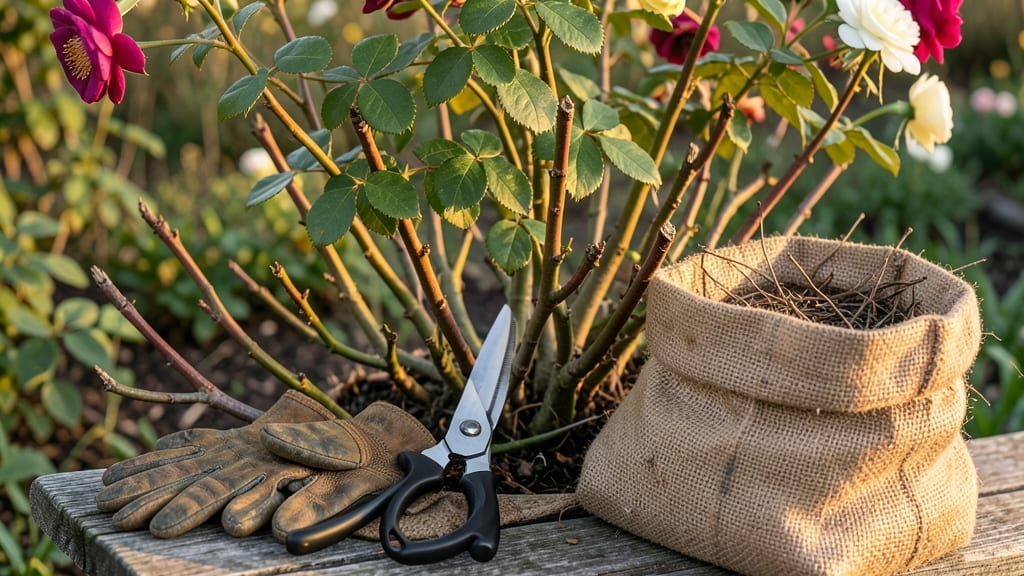
Those stubborn rose bush blind shoots could be the secret to multiplying your roses for free. 🌱 I learned the hard way that what looks like wasted growth might actually be your best chance to propagate new plants—no expensive cuttings needed.
These shoots grow from old wood where pruning cuts heal over, and with the right approach, they become vigorous new rose bushes.
The problem usually starts with over-pruning or nutrient deficiencies, but blind shoots can also signal a plant trying to recover from stress. The key is to spot them early—look for thick, woody shoots growing from last year's wood—and act before they drain energy from your main plant.
These shoots often root naturally if you give them a little help.
With just a few simple steps, you'll transform these "waste" shoots into strong, flowering plants. Imagine doubling your rose collection without spending a dime—all from growth you'd normally prune away. The best part? These new plants often bloom earlier than traditional cuttings.
This method works for hybrid teas, floribundas, and even climbing roses. Whether you're dealing with a single stubborn shoot or a whole bush full of them, here's how to turn that "problem" growth into your next favorite roses. Ready to give it a try?
The Hidden Triggers Behind Stubborn Growth
Blind shoots—those seemingly useless stems that sprout from the base or along the roots of your rose bush—aren’t just a mystery of nature. They’re a deliberate survival strategy by your rose plant, responding to specific environmental and physiological cues.
Understanding these triggers is the first step to turning "wasted" growth into thriving new plants. Let’s break down the science behind why your rose bush keeps sending out these stubborn, leafless shoots.
Roses are heavy pruners, but when you go overboard—especially in late winter or early spring—you’re essentially sending your plant a distress signal. Here’s why:
- Hormonal shock: Pruning stimulates the release of auxins, a class of plant hormones that regulate growth. When you cut back too much (especially above a leaf node), auxins surge, prompting the plant to produce new shoots from dormant buds near the base or roots. These buds, often hidden underground or at the soil line, wake up to compensate for lost foliage.
- Energy redistribution: A pruned rose has fewer leaves to fuel photosynthesis. To survive, it redirects energy toward basal shoots (those emerging from the root crown or lower stem). These shoots grow quickly but lack leaves initially—hence the "blind" label.
- Actionable fix: If you’re prone to heavy pruning, aim for selective cuts that remove no more than 1/3 of the plant’s total growth in one session. Always prune just above a healthy outward-facing bud to encourage balanced regrowth.
Roses are sensitive to temperature swings, and abrupt changes—whether from winter chill or early spring warmth—can trigger blind shoots. Here’s the science:
- Dormancy disruption: During winter, roses enter dormancy, slowing metabolic processes. If a sudden warm spell (even just a few days above 50°F/10°C) breaks dormancy prematurely, the plant may start producing shoots before it’s ready. These shoots often emerge blind because the plant hasn’t yet built up energy for leaf development.
- Root zone stress: Cold soil can restrict nutrient and water uptake, while warm air speeds up top growth. This mismatch forces the plant to rely on underground reserves, leading to shoots from the root crown or lower stem.
- Actionable fix:
- Mulch heavily in fall to insulate roots and buffer temperature swings.
- Avoid pruning until after the last frost in your zone—wait until new growth appears on existing stems.
- Use row covers in early spring to protect tender shoots from late frosts.
Blind shoots can also be your rose’s way of saying, "I’m thirsty—or hungry!" Here’s how water and nutrients play a role:
| Issue | Why It Causes Blind Shoots | Fix It Now |
|---|---|---|
| Underwatering | Drought stress triggers the release of abscisic acid, a hormone that signals the plant to conserve water. In response, it produces deep, root-bound shoots to access moisture lower in the soil. These shoots often emerge blind because the plant prioritizes root extension over leaf growth. | Water deeply 1–2 times per week (more in extreme heat) and use mulch to retain soil moisture. |
| Overwatering | Soggy soil suffocates roots, cutting off oxygen. The plant responds by sending out aerial shoots (blind stems) to escape the waterlogged zone. These shoots may also emerge from the base as the plant seeks drier conditions. | Ensure proper drainage and water only when the top 2 inches of soil are dry. |
| Nutrient deficiency (especially nitrogen) | Nitrogen is critical for leaf and shoot development. If your rose lacks it, new growth will be stunted and leafless as the plant prioritizes root and stem expansion to scavenge for nutrients. | Apply a balanced fertilizer (10-10-10) in early spring and a nitrogen-rich supplement (like fish emulsion) mid-season. |
When roses feel cramped, they’ll do anything to escape—including sending up blind shoots. Here’s the biology:
- Root-bound stress: If your rose’s roots are circumscribed by a pot, mulch, or competing plants, they can’t spread horizontally. The plant responds by producing vertical shoots to access sunlight and space. These shoots often emerge blind because the plant’s energy is diverted to stem elongation rather than leaf production.
- Competition for sunlight: Tall grasses, weeds, or nearby plants can shade your rose, prompting it to grow taller, leafless stems to reach light. Blind shoots are a last-ditch effort to "outgrow" the competition.
- Actionable fix:
- Give your rose at least 3–4 feet of clearance from other plants.
- If potted, repot every 2–3 years to refresh root space.
- Mulch lightly (2–3 inches) to suppress weeds without smothering roots.
Not all roses produce blind shoots equally—some varieties are genetically prone to this behavior. Here’s why:
- Hybrid vigor: Many modern roses (especially hybrid teas, floribundas, and grandifloras) are bred for long, straight stems and abundant blooms. This trait often comes with a trade-off: excessive basal shoot production as a side effect of their growth habits.
- Rootstock influence: If your rose is grafted onto a hardy rootstock (like Rosa multiflora or Dr. Huey), the root system may naturally produce vigorous, blind shoots from the base. These are often not true to the grafted variety and may revert to the rootstock’s characteristics.
- Actionable fix:
- If you love blind shoots, embrace them—they’re free propagation material!
- To control them, prune aggressively in late winter (before new growth starts) and apply a growth regulator like dormant oil to discourage basal shoots.
- If shoots emerge from the graft union, remove them immediately to prevent rootstock takeover.
Quick fixes for stubborn rose growth
Blind shoots—those stubborn, non-flowering stems sprouting from your rose bushes—can be a gardener’s puzzle. But don’t let them frustrate you! With the right approach, you can transform them into thriving new plants or prune them strategically to keep your roses healthy.
Below, we break down solutions by cause, so you can act fast and prevent future headaches.
If your blind shoots are vigorous, green, and free of disease, they’re prime candidates for propagation. Here’s how to turn them into new rose bushes:
🔪 Step 1: Select the Right Shoots
- Choose semi-hardwood (pencil-thick) or hardwood (woody) stems in late fall, winter, or early spring.
- Look for healthy, disease-free shoots with 3–5 leaf nodes (the bumps where leaves grow).
- Avoid shoots that are too thin, brittle, or diseased—they won’t root well.
🌿 Step 2: Take the Cutting
- Use clean, sharp pruners (or scissors) to cut a 4–6 inch section just below a leaf node.
- Make the cut at a 45-degree angle to maximize surface area for root growth.
- Remove the bottom leaves, leaving only 2–3 leaves at the top to reduce moisture loss.
💧 Step 3: Root Hormone (Optional but Helpful)
- Dip the cut end in rooting hormone powder or gel to boost success rates (especially for tough rose varieties).
- Pro Tip: 💡 If you don’t have rooting hormone, crush an aspirin tablet in water and dip the cutting—it mimics a natural growth stimulant!
🏡 Step 4: Plant in a Rooting Medium
- Fill a small pot with a mix of:
- 50% perlite or sand (for drainage)
- 50% peat moss or coconut coir (for moisture retention)
- Insert the cutting 2–3 inches deep and gently firm the soil around it.
- Place the pot in a bright, indirect light spot (no direct sun yet!).
🌡️ Step 5: Create a Humid Environment
- Cover the pot with a plastic bag or clear lid to trap moisture (like a mini greenhouse).
- Mist the cutting every few days to keep it hydrated.
- Watch Out: ❄️ If using this method in cold months, keep the pot in a warm (65–75°F) spot—roses root best in warmth!
⏰ Step 6: Wait and Monitor
- Roots should form in 4–8 weeks. Gently tug the cutting—if resistance is felt, roots are growing!
- Once rooted, gradually acclimate the new plant to open air over 1–2 weeks.
- Transplant to the garden in spring after the last frost.
Not all blind shoots are worth saving. If they’re weak, diseased, or crowding your rose bush, it’s best to remove them:
🔥 Step 1: Identify the Issue
- Weak or leggy shoots? → Likely due to overcrowding or poor nutrition.
- Diseased or blackened stems? → Fungal infection (like black spot) or bacterial issues.
- Shoots growing from the base but not upward? → Competition for energy from the main plant.
🌿 Step 2: Prune with Precision
- For healthy but unwanted shoots:
- Cut them at the base where they emerge from the main stem or root.
- Use sterilized pruners to prevent spreading disease.
- For diseased shoots:
- Remove entirely, including a small section of healthy stem below the affected area.
- Caution: 🚨 If black spot or rust is present, sterilize tools with rubbing alcohol between cuts!
🌱 Step 3: Improve Rose Health to Prevent Future Shoots
- Thin out crowded canes—roses need good airflow to stay healthy.
- Fertilize properly—use a balanced rose fertilizer in early spring to encourage strong growth.
- Water at the base (not overhead) to reduce fungal spores.
- Mulch around the base with 2–3 inches of organic mulch (like wood chips) to suppress weeds and retain moisture.
A little proactive care goes a long way in keeping your rose bush strong and shoot-free (or at least manageable):
- ✂️ Prune regularly: Remove crossing, rubbing, or weak canes in late winter to redirect energy to healthy growth. - 🌞 Provide full sun: Roses need 6–8 hours of sunlight daily—shady spots encourage weak, blind shoots. - 💧 Water deeply but less often: Overwatering stresses roots, leading to excessive suckering. - 🍄 Monitor for pests/disease: Aphids and fungal infections can weaken roses, causing blind growth.
Treat early with neem oil or fungicide. - 🌿 Feed in stages: Use a slow-release fertilizer in early spring and a low-nitrogen bloom booster in summer to balance growth and flowering.
Blind shoots don’t have to be a nuisance—they can be free new plants or an early warning sign to tweak your rose care. Whether you’re propagating or pruning, a little timely action keeps your roses bushy, blooming, and beautiful! 🌹✨
Frequently asked questions
What exactly are rose bush blind shoots?
Blind shoots are leafless, woody stems that sprout from the base or roots of rose bushes. They grow quickly but lack leaves initially, making them appear "blind." These shoots often emerge after pruning, stress, or when the plant redirects energy from the main stems. They can be a sign of either a survival response or an opportunity for free propagation!
Can I turn blind shoots into new rose plants?
Healthy blind shoots make excellent propagation material. Cut a 4-6 inch section with 3-5 leaf nodes, dip in rooting hormone (or crushed aspirin), and plant in moist perlite/sand mix. Keep humid and warm until roots form in 4-8 weeks. This is a free way to expand your rose collection!
Why do my rose bushes keep producing blind shoots?
Common causes include over-pruning, nutrient deficiencies, temperature swings, or root-bound stress. Roses often produce blind shoots when they're trying to compensate for lost foliage or when roots can't spread properly. Adjust your pruning habits and check soil moisture/nutrients to reduce them.
Should I remove blind shoots immediately?
Not always! Healthy blind shoots can be propagated, but remove diseased or weak ones immediately. Cut at the base with sterilized pruners to prevent spreading infections. If you're not propagating, removing them helps the main plant focus energy on flowering rather than supporting unwanted growth.
How can I prevent blind shoots next season?
Focus on balanced pruning (never remove more than 1/3 of growth), consistent watering, and proper fertilization. Ensure your roses get 6-8 hours of sunlight and mulch well to maintain stable soil conditions. Regular care reduces stress that triggers blind shoot production.