
Light Requirements
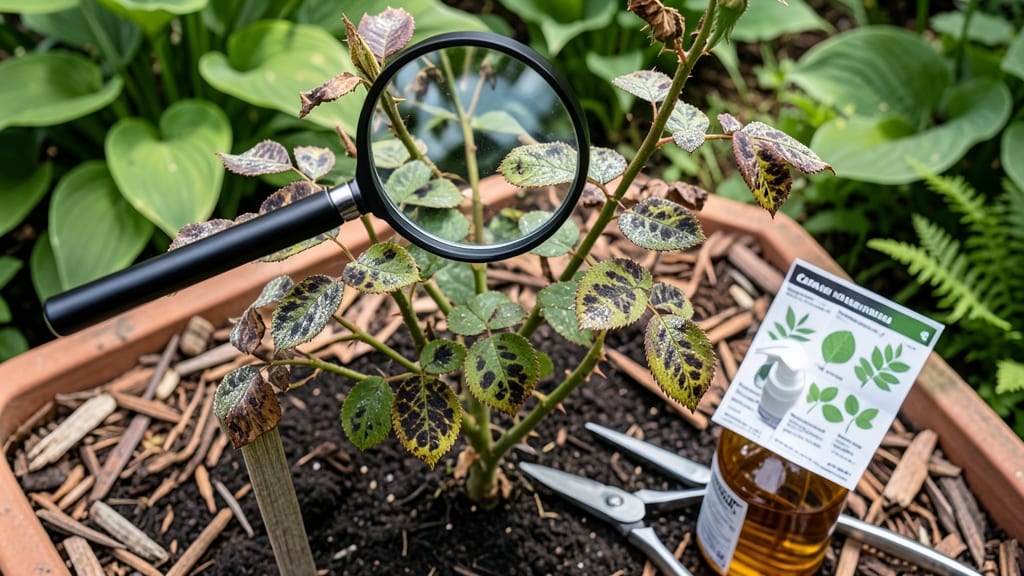
My roses looked like they’d been attacked by a black magic spell—dark spots spreading across every leaf, stems turning crispy at the touch. 🌿 That’s rose bush blight, and copper spray is the secret weapon to saving your plants before it’s too late.
This isn’t just about spraying something; it’s about understanding why your roses are fighting an invisible enemy and how to starve that enemy out for good.
The problem starts small—tiny black or purple spots on leaves that grow into larger, dead patches—but by then, the fungus or bacteria has already gotten comfortable. Poor air circulation from overcrowded bushes, wet leaves from overhead watering, or old mulch harboring last year’s spores all invite the trouble.
The good news? Copper spray disrupts the fungal cell walls, giving your roses a fighting chance without harsh chemicals that harm beneficial insects.
Within 7-10 days of treatment, you’ll start seeing new growth pushing through, free of those ugly spots. The key is consistency—spray when leaves are dry, repeat every 10-14 days during wet seasons, and pair it with proper pruning to keep air flowing.
Your roses won’t just survive; they’ll bounce back with vibrant green leaves and blooms that make your neighbors jealous.
This works for hybrid teas, floribundas, and even old garden roses—just adjust the spray concentration based on how bad the blight looks. The first step is identifying the problem, so grab your magnifying glass and let’s get those roses back to their glory days.
Understanding Hidden Triggers
Rose bushes are stunning additions to any garden, but they’re not immune to fungal infections like blight. Understanding the root causes of these issues is the first step to prevention and treatment.
Below, we break down the most common reasons why your roses might be developing blight—so you can tackle the problem at its source.
Blight thrives in moist, stagnant environments. When roses grow too densely or are planted too close together, airflow is restricted. This creates the perfect breeding ground for fungal spores, which love to latch onto damp leaves and stems.
- Why it happens: Fungal spores (like those causing black spot or powdery mildew) spread rapidly in humid conditions. Poor airflow prevents leaves from drying quickly after rain or watering, keeping them wet for extended periods.
- Actionable fix:
- Prune roses to open up the center and improve airflow.
- Avoid overcrowding—plant roses 3-4 feet apart for optimal spacing.
- Water at the base (not overhead) to reduce leaf moisture.
While roses need consistent moisture, excessive or inconsistent watering can stress plants and invite fungal infections. Overwatering keeps soil soggy, while underwatering weakens the plant’s defenses.
- Why it happens: Fungi like Botrytis (gray mold) and Phytophthora (root rot) thrive in waterlogged soil. Weakened roots from drought stress also make roses more susceptible to infections.
- Actionable fix:
- Water deeply but infrequently—aim for 1-1.5 inches per week (including rainfall).
- Ensure proper drainage—amend heavy clay soil with compost or sand.
- Water early in the day so leaves dry before evening humidity sets in.
Fungal spores are everywhere—in soil, air, and even on garden tools. If spores land on a susceptible rose bush, they can trigger blight, especially in warm, wet conditions.
- Why it happens: Spores from infected plants, mulch, or nearby weeds can hitchhike on wind, water, or tools. Once they find a host (like a stressed rose), they germinate and spread rapidly.
- Actionable fix:
- Clean tools with a 10% bleach solution or rubbing alcohol between uses.
- Remove and dispose of infected leaves (don’t compost them—burn or trash instead).
- Apply copper fungicide preventatively in spring before spores become active.
Roses under stress—from nutrient deficiencies, pests, or extreme weather—are far more vulnerable to blight. A healthy plant can fight off infections, but a struggling one becomes an easy target.
- Why it happens: Nutrient imbalances (like low nitrogen or magnesium deficiency) weaken cell walls, making it easier for fungi to penetrate. Pests like aphids also damage leaves, creating entry points for spores.
- Actionable fix:
- Fertilize with a balanced rose-specific formula (10-10-10 or 5-10-5) in early spring.
- Test soil pH (6.0-6.5 is ideal for roses)—adjust with lime or sulfur if needed.
- Monitor for pests (aphids, spider mites) and treat early with neem oil or insecticidal soap.
Blight doesn’t just happen—it’s often triggered by weather. Warm, humid summers with frequent rain are a fungal gardener’s dream, creating ideal conditions for spores to germinate and spread.
- Why it happens: Fungi like Diplocarpon rosae (black spot) and Sphaerotheca pannosa (powdery mildew) require high humidity (70%+) and temperatures between 60-80°F to thrive. Even a few days of these conditions can lead to an outbreak.
- Actionable fix:
- Choose resistant rose varieties (e.g., ‘Knock Out’ roses, ‘Dr. Huey’).
- Use mulch (2-3 inches of wood chips) to regulate soil temperature and reduce splashing.
- Install a drip irrigation system to avoid wetting foliage during rainy spells.
By addressing these root causes, you can minimize blight risk and keep your roses healthy and vibrant. The key? Prevention—because once blight takes hold, treatment (like copper spray) becomes a race against time. 🚀
Revive Your Roses Naturally
Fungal infections like rose bush blight can turn your lush roses into a sad, spotted mess—but don’t despair! With the right approach, you can nurse your plants back to health and prevent future outbreaks.
Below are practical, step-by-step solutions tailored to the root causes of fungal stress, from overwatering to poor airflow. Plus, we’ll share pro tips to keep your roses thriving long-term.
Symptoms: Yellowing leaves, blackened stems, mushrooms at the base.
Your Action Plan:
- 🔥 Stop Watering Until the Soil Dries
- Let the top 2–3 inches of soil dry out completely before watering again. Stick your finger in—if it’s damp, wait!
- Pro Tip: Water early in the morning (6–8 AM) to give foliage time to dry before evening humidity sets in.
- 👨🍳 Improve Soil Drainage
- Mix
- If planting new roses, amend the soil with compost + grit (50/50 mix) to boost drainage.
- ⏰ Adjust Your Watering Schedule
- Deep water 1–2 times per week (1–1.5 inches total) instead of daily shallow sprinkles.
- Use a soaker hose to water at the base, avoiding leaves.
- 🔪 Prune Damaged Areas
- Cut back
- Remove fallen leaves from the base to prevent spores from spreading.
Symptoms: Purple, brown, or black spots on leaves; sticky residue (honeydew).
Your Action Plan:
- 🌡️ Choose the Right Copper Fungicide
- Opt for
- Brand Recs: Bonide Copper Fungicide or Garden Safe Copper Soap.
- 🎯 Apply at the Right Time
- Coverage: Spray both sides of leaves, stems, and soil around the base (fungi lurk there!).
- Frequency: Apply every 7–14 days until new growth appears (3–4 treatments total).
- ✨ Boost with Baking Soda Spray (Preventative)
- Mix 1 tsp baking soda + 1 tbsp vegetable oil + 1 quart water in a spray bottle.
- Spray leaves weekly to create an unfriendly environment for fungi.
Symptoms: Slow growth, curled leaves, repeated infections.
Your Action Plan:
- 🌿 Prune for Better Air Circulation
- Thin out
- Remove dead or crossing branches—these trap moisture and spores.
- 📊 Move to a Sunnier Spot (If Possible)
- Roses need 6+ hours of sunlight daily. If shaded, gradually acclimate them to more light over 2–3 weeks.
- 🍎 Fertilize Smartly
- Avoid
- Switch to a balanced rose fertilizer (10-10-10 or 5-10-10) once symptoms improve.
- 🌡️ Mulch Correctly
- Use 2–3 inches of organic mulch (straw, wood chips) but keep it 6 inches away from the stem to prevent rot.
- 🎯 Rotate Copper Treatments
- Alternate copper sprays with
- 💪 Strengthen Your Roses Naturally
- Compost tea (brew 1 part compost in 5 parts water for 24 hours, strain, and spray) boosts immunity.
- Beneficial bacteria like Bacillus subtilis (found in products like Serenade) outcompete harmful fungi.
- 🚫 Avoid Common Mistakes
- Clean up debris after storms or pruning—fungi love damp leaves!
- Disinfect tools between cuts to prevent spreading spores.
If your roses continue declining despite these steps, consult a local extension service or arborist. Advanced cases may need systemic fungicides (like Myclobutanil) or soil amendments.
Your roses can bounce back! With consistent care, they’ll reward you with vibrant blooms and fewer fungal surprises. 🌹💦 Start today—your garden’s future is greener than you think!
Frequently asked questions about rose bush blight
What’s the difference between black spot and powdery mildew on roses?
Black spot shows up as dark purple or black circular spots with yellow halos, often on the upper leaves. Powdery mildew, however, appears as white, powdery patches on both leaf surfaces. Both are fungal diseases, but black spot thrives in wet conditions while powdery mildew loves high humidity (70%+) and shady spots. Copper spray works for both, but black spot may need more frequent treatments.
Can I use copper spray if I have pets or kids around?
Copper fungicides are generally low-toxicity when used as directed, but it’s best to apply when pets and kids aren’t nearby. Avoid spraying on windy days to prevent drift. Once dry (usually within 1-2 hours), the treated area is safe. Always store products securely and wash hands after handling.
How do I know if my rose bush has blight or just nutrient deficiency?
Blight causes distinct spots (black, purple, or brown) that spread rapidly, often with a fuzzy or powdery texture. Nutrient deficiencies, like magnesium deficiency, create interveinal yellowing (yellow between veins) or purple stems without spots. Test soil pH (6.0-6.5 is ideal) and check leaf patterns—blight spots will have defined edges, while deficiencies are more uniform.
Will pruning my roses help prevent blight next year?
Prune in late winter/early spring to open up the center of the bush, improving airflow and sunlight penetration. Remove dead, diseased, or crossing branches—these trap moisture and spores. Sterilize your pruners with rubbing alcohol between cuts to prevent spreading infections. Thin out crowded canes to reduce humidity inside the plant, making it harder for fungi to thrive.
How long does it take to see improvement after treating blight?
With copper spray, you’ll typically see new growth within 7-10 days, but full recovery can take 4-6 weeks depending on the severity. Stop treating once you notice healthy green leaves emerging and no new spots appearing. For severe cases, combine copper spray with baking soda spray (weekly) and proper pruning to speed up recovery. Consistency is key—don’t skip applications!