
Shrubs
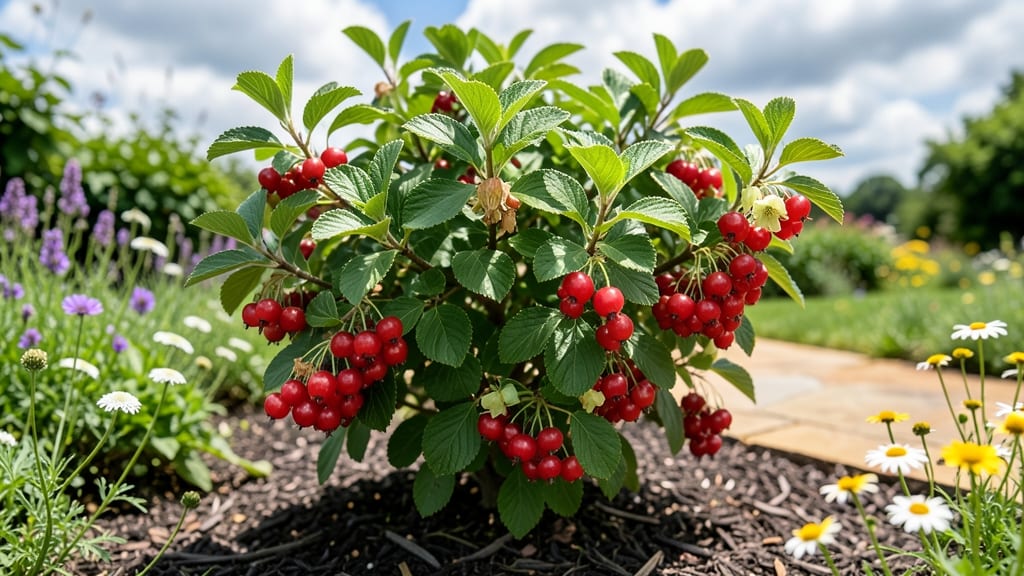
Planting a Red Lake currant bush in your yard means sweet, tart berries that survive winters most shrubs can't handle. 🌿 I've grown them in zone 3 for years, and they've become my go-to for late-summer snacks and bird-friendly treats.
The key is getting the site right—cool climates love these bushes, but they need full sun and well-drained soil to really shine.
You'll need a spot with at least 6 hours of sunlight daily and soil that drains well (they hate soggy roots). The bushes spread about 4-5 feet wide, so give them room to grow.
Plant in early spring or fall when the soil is workable but not frozen. Dig a hole twice as wide as the root ball but no deeper—this encourages strong root growth right from the start.
Once planted, water deeply once a week (more in dry spells) and mulch around the base to keep roots cool. Prune in late winter to remove dead wood and shape the bush, but avoid heavy pruning—these currants produce fruit on 1-year-old wood, so less is more.
By mid-summer, you'll have clusters of bright red berries that birds might eye first, so be ready to harvest or protect them.
They're tough on pests and diseases, but watch for aphids or powdery mildew in humid summers. A strong spray of water usually clears aphids, and good airflow prevents mildew. The berries are tart but delicious fresh, in jams, or dried—just be quick, as they ripen fast and don't store long.
With minimal care, this bush will reward you for years.
📚 In This Guide
- What you need
- Instructions
- Tips and common mistakes
- Wrapping up and next steps
What you need
- ● Red Lake currant bush plants: 1–3 bare-root or container-grown plants (check for disease-free, healthy stems).
- ● Well-draining soil: Mix of native soil + compost (or peat moss for sandy soils). Aim for a pH of 5.5–6.5.
- ● Sunlight spot: Full sun (6+ hours/day) to partial shade (4–6 hours). Avoid soggy, low-lying areas.
- ● Watering can or hose: 1–2 gallons per plant during establishment (first year).
- ○ Mulch (optional but recommended): 2–3 inches of wood chips or straw to retain moisture and suppress weeds.
- ● Garden trowel or shovel: For planting holes (dig holes twice as wide as the root ball).
- ● Pruning shears: Sterilized (rubbing alcohol wipe) for shaping or removing dead branches.
- ● Garden gloves: Heavy-duty to protect against thorns (currants have tiny but sharp ones!).
- ○ Fertilizer (optional): Balanced 10-10-10 or organic compost tea at planting time.
- ○ Bird netting (optional): If birds love your berries, use netting to protect ripe fruit.
Step-by-Step guide to planting and caring for Red Lake currant bushes
Here's how to establish these cold-hardy shrubs with minimal fuss—ideal for northern gardens.
🌱 Step 1: Choose the Perfect Planting Site
Red Lake currants thrive in full sun to partial shade, with at least 6 hours of direct sunlight daily. I always pick a spot with well-draining soil—these shrubs hate soggy roots. Test your soil by squeezing a handful: if it stays clumped, amend with 2-3 inches of compost or sand to improve drainage.
Space plants 6-8 feet apart to allow airflow and prevent fungal diseases. If planting near a fence or wall, leave extra room for the shrub to grow outward—Red Lake currants can reach 5-6 feet wide at maturity. A south-facing slope works beautifully, as it warms up faster in spring and extends the growing season.
🪴 Step 2: Dig and Prepare the Planting Hole
Dig a hole twice as wide as the root ball but only as deep. You want the top of the root ball to sit 1 inch above ground level—this prevents water from pooling around the stem. Gently loosen the roots if they're circling tightly in the container, using your fingers to tease them outward.
Mix the removed soil with a handful of bone meal (about 1/2 cup per plant) for phosphorus to encourage strong root growth. This is especially important for currants, which need robust roots to handle winter cold. Place the plant in the hole so the root flare (where roots meet the trunk) is visible above the soil line.
💧 Step 3: Plant and Water Thoroughly
Backfill the hole with the amended soil, tamping down lightly every 2 inches to remove air pockets. Water immediately after planting to settle the soil—aim for 1 gallon per plant. The soil should feel damp 6 inches deep after watering. Mulch around the base with 2-3 inches of wood chips or straw, keeping mulch 3 inches away from the stem to prevent rot.
Here's the thing—currants need consistent moisture but hate wet feet. Water 1-2 times per week during the first growing season, adjusting based on rainfall. You'll know you're doing it right when the soil feels like a damp sponge, not a soggy mess. Avoid overhead watering, which can spread fungal spores.
☀️ Step 4: Prune for Shape and Health
Prune in late winter or early spring, before new growth begins. Remove any dead, diseased, or crossing branches first—currants reward you with better fruit production when they have good airflow. Cut back any overcrowded stems to 1/3 of their length to encourage bushier growth. I always sterilize my pruners with rubbing alcohol between cuts to prevent spreading disease.
Watch for suckers growing at the base—these steal energy from your main plant. Snip them off at the ground level. You'll see new, vibrant growth emerge within 2-3 weeks of pruning, signaling the plant is recovering well. Avoid heavy pruning in fall, as it can stimulate tender new growth that won't survive winter.
⏰ Step 5: Winterize for Cold Hardiness
Red Lake currants handle -30°F without protection, but a thick layer of mulch helps insulate roots. In late fall, add 4-6 inches of straw or leaves around the base, piling it up like a volcano shape. This prevents soil temperature swings that can stress roots. Water the base in late fall before the ground freezes—this hydrates the plant for dormancy.
Here's what I've learned: currants left unprotected in harsh winters may show some dieback, but they bounce back spectacularly in spring. If your winters are particularly brutal (below -20°F), consider wrapping young plants with burlap for the first few years until they establish strong root systems. You'll know your winter prep worked when you see fresh green shoots in early spring.
Tips & tricks for perfect Red Lake currant bush planting
These practical tips will help you establish thriving currant bushes that reward you with years of fruit production.
Soil Test Tip: Before planting, test your soil's pH—Red Lake currants prefer slightly acidic to neutral soil (pH 6.0-7.0). If your test shows pH below 6.0, mix in lime according to package instructions when amending the planting hole. This prevents nutrient deficiencies that can stunt growth. I always do this test because my local soil tends to be naturally acidic.
Root Care: When loosening circling roots in Step 2, don't tear them—gently separate them with your fingers. Damaged roots take longer to establish. For container-grown plants, make 2-3 vertical cuts around the root ball with a knife to encourage outward root growth. This simple step can double your plant's success rate in the first year.
Winter Prep: The 4-6 inches of mulch in Step 5 is non-negotiable for cold climates, but here's the trick: use straw instead of leaves if you have deer in your area. Deer won't eat straw, but they'll happily munch through leaves looking for tender shoots in early spring. This one change saved my first planting from being completely devoured.
Pruning Secret: When cutting back overcrowded stems to 1/3 of their length, make your cuts just above an outward-facing bud. This encourages new growth that will spread outward rather than inward. I mark these buds with a pencil before cutting to ensure I'm making the right cuts. The result is a fuller, more productive shrub within a season.
Pro Tips for Red Lake Currant Bush
- These practical tips will help you establish thriving currant bushes that reward you with years of fruit production.
- Soil Test Tip: Before planting, test your soil's pH—Red Lake currants prefer slightly acidic to neutral soil (pH 6.0-7.0).
- Root Care: When loosening circling roots in Step 2, don't tear them—gently separate them with your fingers.
Frequently asked questions
Got questions about growing and caring for your Red Lake currant bush? You’re not alone—this hardy shrub is a favorite, but it does have its quirks! Here are answers to the most common queries to help you cultivate a thriving plant with minimal fuss.
How cold can Red Lake currant bushes tolerate?
The Ribes rubrum variety (Red Lake) is a Zone 3-7 champion, meaning it can handle winter temps down to -40°F (-40°C)! Just ensure it’s planted in well-draining soil and mulched in late fall to protect roots. Pro tip: Evergreens or straw mulch works best for insulation.
When is the best time to prune Red Lake currant bushes?
Prune in late winter or early spring (before buds swell) to remove dead, weak, or crossing branches. Avoid heavy pruning in fall—it can stimulate new growth that won’t harden off before frost. Bonus: Pruning now also improves airflow, reducing fungal risks like white pine blister rust.
Can I eat the berries from Red Lake currant bushes?
These berries are edible, tart, and perfect for jams, jellies, or fresh snacks. However, avoid eating them raw if your area has a history of white pine blister rust (a fungal disease harmful to pines). Always harvest from healthy bushes and cook thoroughly to enhance flavor and safety.
What are some alternatives if I can’t grow Red Lake currants?
If your region restricts currants (due to rust risks) or you prefer low-maintenance options, try these cold-hardy shrubs:
- Red Osier Dogwood (Cornus sericea): Vibrant stems, wildlife-friendly.
- Elderberry (Sambucus canadensis): Edible berries, fragrant flowers.
- Serviceberry (Amelanchier spp.): Dual-purpose (fruit + ornamental).
All thrive in Zones 3-7 and offer similar seasonal interest!
Why are my Red Lake currant leaves turning yellow or spotted?
Yellowing leaves often signal nutrient deficiencies (iron/chlorosis) or fungal issues. Check soil pH (currants prefer 6.0-6.5); amend with compost or iron supplements if needed. Spotted leaves? It could be anthracnose—prune infected branches, avoid overhead watering, and apply copper fungicide if severe.
How do I harvest and store Red Lake currants?
Harvest when berries are fully red and plump (usually July-August). Gently twist clusters off stems—don’t pull! For short-term storage, refrigerate in a paper towel-lined container for up to 5 days. Freeze for long-term use (perfect for sauces or baking). Pro tip: Rinse berries just before cooking to preserve texture.
Wrapping up and next steps
The Red Lake currant bush is a true cold-weather champion—hardy, low-maintenance, and packed with flavor! Whether you’re a seasoned gardener or just starting out, this resilient shrub is perfect for adding color, wildlife appeal, and delicious harvests to your landscape. 🌱❄️
Ready to grow your own? Start by selecting a sunny spot, gather your supplies, and dive in—your future berry-filled rewards will make it worth every effort! Plant one this season and enjoy the beauty (and taste) of success.