
Shrubs
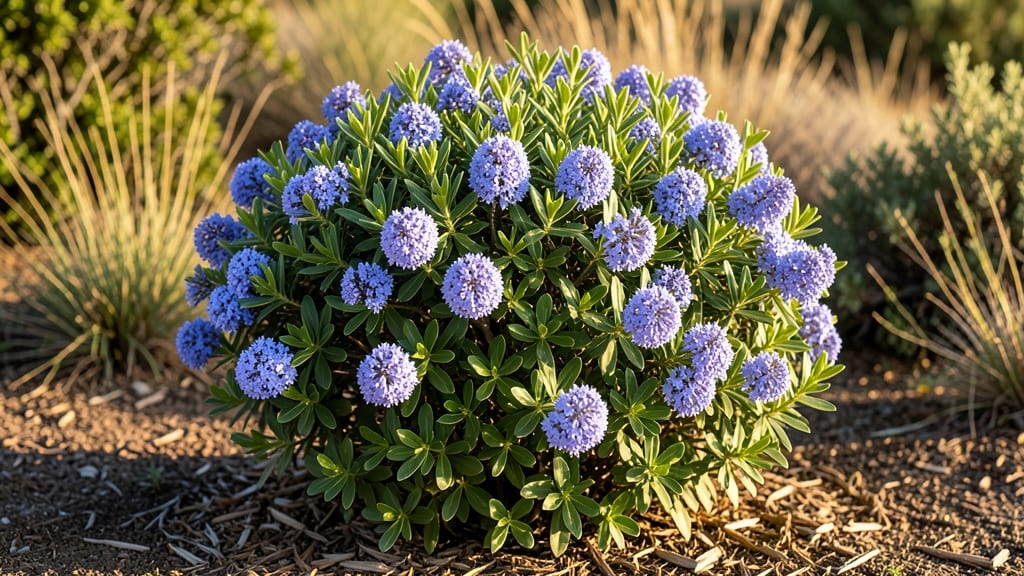
California’s purple flowering bushes don’t just survive—they thrive, turning your garden into a drought-tolerant masterpiece that blooms when others fade. 🌿 I’ve planted and pruned enough of these tough beauties to know which ones bring year-round color without begging for water, and the best part?
They attract pollinators like magnets. Ceanothus, manzanita, and California lilac aren’t just survivors; they’re the stars of low-water landscapes that look stunning in every season.
The secret to their success is simple: native plants that evolved with California’s climate. They demand little maintenance—just good drainage, occasional pruning, and protection from deer—while delivering vibrant purple blooms from early spring through late fall.
My ceanothus, for example, bursts into lavender-blue clusters in March and stays in bloom until June, then pops back with new growth in fall. These bushes also play well with others, making them perfect for borders, focal points, or even as a living privacy screen.
Imagine a garden where butterflies hover over deep purple flowers while your water bill stays low. That’s the magic of these drought-resistant shrubs. They handle heat, wind, and occasional dry spells with ease, and their evergreen foliage adds texture even when they’re not flowering.
Once established, they’re nearly indestructible, which means less work for you and more time enjoying the show.
Whether you’re designing a pollinator-friendly oasis or just want low-maintenance color, these purple powerhouses deliver. Let’s dive into the best varieties for your California climate—and how to make them the centerpiece of your landscape.
📚 In This Guide
- What you need
- Instructions
- Tips and common mistakes
- Wrapping up and next steps
What you need
- ● Purple flowering bush plant: Choose a drought-resistant variety like Ceanothus (California Lilac), Lavandula (Lavender), or Penstemon (Beardtongue). Buy a 1-3 gallon container for mature plants or bare-root seedlings for cost savings.
- ● High-quality potting soil: 50 lbs of well-draining cactus/succulent mix (or amend regular soil with perlite or coarse sand for better drainage).
- ● Organic compost: 10 lbs to enrich soil and retain moisture without over-feeding.
- ● Mulch: 2-3 cubic feet of gravel or wood chips to suppress weeds and conserve water.
- ● Garden trowel or shovel (for planting and soil prep).
- ● Gloves (to protect hands from thorns or rough soil).
- ● Watering can or hose with a gentle spray nozzle (for post-planting hydration).
- ● Pruning shears (for shaping and maintenance; sharp, bypass-style recommended).
- ● Measuring tape (to space plants 3-6 feet apart, depending on variety).
- ● Sunlight: Ensure your planting spot gets full sun (6+ hours/day) for most purple bushes (e.g., Ceanothus), or partial shade (3-6 hours) for varieties like Lavender.
- ○ Water source: Access to a drip irrigation system or soaker hose (optional but ideal for drought-prone areas).
- ○ Fertilizer (optional): Slow-release, low-nitrogen fertilizer (e.g., 5-10-10) to apply once a year in early spring.
- ○ Pest control (optional): Neem oil spray or insecticidal soap for aphids or spider mites (common in California’s dry climate).
How to select and plant a drought-tolerant purple flowering bush in California
Here's how to choose the perfect purple bloomer that thrives in California's climate while requiring minimal water.
🌿 Step 1: Choose the Right Purple Flowering Species for Your Climate Zone
California's diverse microclimates demand careful species selection. For coastal areas with mild winters, Lavender (Lavandula) or California Lilac (Ceanothus) deliver stunning purple blooms with silvery foliage that's drought-proof once established. In inland regions with hot summers, Manzanita (Arctostaphylos) or Toyon (Heteromeles arbutifolia) offer deep purple flowers and evergreen leaves that handle heat and drought equally well.
Check your specific USDA hardiness zone—most California purple flowering shrubs thrive in zones 7-10. I always verify the mature size at planting time; a 6-foot shrub planted too close to a patio will outgrow its space within 3-5 years. For containers, Dwarf Plumbago (Plumbago auriculata) or Purple Sage (Salvia leucantha) work beautifully in 15-gallon pots with excellent drainage.
☀️ Step 2: Prepare the Planting Site for Maximum Drought Tolerance
California's native purple flowering shrubs evolved in well-draining soils, so amending heavy clay is critical. Test your soil's drainage by digging a 12-inch deep hole—if water pools after 30 minutes, you need to improve drainage. Mix 3 inches of coarse sand or pumice into the native soil before planting. For containers, use a cactus/succulent mix blended with 20% perlite to prevent compaction.
Select a location with 6+ hours of sunlight daily—most purple flowering California natives need full sun to produce their best color. I always plant in late winter or early spring to give roots time to establish before summer heat arrives. Space plants according to their mature width: 6-10 feet apart for large shrubs, 3-5 feet for medium-sized varieties.
🪴 Step 3: Plant with Proper Technique for Long-Term Health
Dig a hole twice as wide as the root ball but no deeper—planting too deep suffocates roots and prevents proper water uptake. Gently remove the plant from its container and loosen any circling roots with your fingers. Place the shrub in the hole so the top of the root ball sits 1 inch above ground level—this prevents soil from settling and burying the stem.
Backfill with native soil mixed with compost (never fresh manure—it burns roots). Water deeply to settle the soil, then add 2-3 inches of mulch (wood chips or gravel) around the base, keeping it 3 inches away from the stem. This mulch layer conserves moisture while preventing soil compaction from heavy rains. For container plants, use gravel mulch to improve drainage.
💧 Step 4: Establish Proper Watering for First-Year Success
Newly planted purple flowering shrubs need deep watering twice weekly for the first year to encourage deep root growth. Water slowly until moisture reaches 12 inches deep—you'll see this when water appears at the bottom of a 12-inch deep hole dug nearby. In containers, water when the top 2 inches of soil feel dry to the touch, then soak until water runs from drainage holes.
After the first year, most California native purple flowering shrubs require watering only during prolonged dry spells (typically every 3-4 weeks in summer). Overwatering is the #1 killer—these plants evolved in Mediterranean climates where drought is the norm. You'll know your watering is right when leaves stay deep green and stems remain firm to touch rather than soft and spongy.
✂️ Step 5: Prune for Shape and Encourage Continuous Blooming
Most California purple flowering shrubs bloom on old wood, so prune immediately after flowering to maintain shape. Use clean, sharp pruners to make cuts at a 45-degree angle just above a leaf node. Remove no more than 25% of the plant's foliage in any single pruning session—this prevents stress that could invite pests or disease.
For container-grown plants, prune lightly every 6-8 weeks to encourage bushier growth. I always sterilize my pruners with rubbing alcohol between cuts to prevent spreading fungal spores. After pruning, apply a balanced 10-10-10 fertilizer (half-strength) to support new growth—this is especially important for container plants that can't access native soil nutrients.
Tips & tricks for planting purple flowering bushes in California
These game-changing insights will help you transform your garden into a vibrant purple paradise with minimal effort—and maximum impact!
Species Selection Strategy: When choosing between Lavender, California Lilac, or Manzanita, consider their mature heights and growth habits. Lavender typically stays compact (3-5 feet), making it perfect for borders or containers, while Toyon can grow into a small tree (up to 15 feet). I always check the plant tag for "mature size" to avoid future crowding issues—trust me, nobody wants a bush that outgrows its welcome!
Soil Test Hack: The 30-minute drainage test in Step 2 is your secret weapon against root rot. If water pools after 30 minutes, mix in equal parts coarse sand and pumice—this creates the perfect Mediterranean-style soil these natives crave. For containers, I blend 70% cactus mix with 30% perlite to ensure perfect drainage while retaining just enough moisture.
Planting Depth Visual: The "1 inch above ground level" guideline in Step 3 is easier to visualize than you think. Imagine the root ball's top sitting at the same height as your fingernail when pressed against the stem. This small adjustment prevents stem rot and encourages stronger root growth. I always use a small stake to mark the correct depth before planting.
Watering Wisdom: Those first-year deep waterings (twice weekly) might seem excessive, but they're essential for establishing deep roots. Use a soil probe or long screwdriver to check moisture depth—you want dampness all the way down to 12 inches. For containers, I weigh them: when they feel noticeably lighter, it's time to water until it runs freely from the bottom.
Pro Tips for Purple Flowering Bush In California
- These game-changing insights will help you transform your garden into a vibrant purple paradise with minimal effort—and maximum impact!
- Species Selection Strategy: When choosing between Lavender, California Lilac, or Manzanita, consider their mature heights and growth habits.
- Soil Test Hack: The 30-minute drainage test in Step 2 is your secret weapon against root rot.
Frequently asked questions
about purple flowering bushes in California—because every gardener deserves clarity!Which purple flowering bushes are the most drought-tolerant for California?
The best drought-tolerant picks are Lavender (Lavandula), California Lilac (Ceanothus), and Manzanita (Arctostaphylos). These thrive in dry conditions with minimal water once established—perfect for water-wise gardens!
When is the best time to plant a purple flowering bush in California?
Plant in early fall (September–October) or late winter (February–March) to avoid extreme heat. This gives roots time to establish before summer droughts. Avoid planting in peak summer—stress = slower growth!
How much sun does a purple flowering bush need?
Most varieties love full sun (6+ hours/day), but some like Ceanothus tolerate partial shade. Check your bush’s tag—overwatering in shade can lead to fungal issues.
What pests should I watch for with purple flowering bushes?
Common culprits include aphids (sap-sucking pests) and spider mites (visible webbing). Use neem oil or insecticidal soap for mild infestations. Ceanothus may attract leaf miners—prune affected areas promptly!
Can I grow purple flowering bushes in containers?
Yes! Dwarf varieties like Lavender ‘Munstead’ or Manzanita ‘Emerald Carpet’ thrive in pots (12"+ diameter). Use well-draining soil and ensure containers have drainage holes. Rotate pots for even sun exposure!
How do I revive a purple flowering bush that’s not blooming?
Check for these fixes:
- Prune in late winter to encourage new growth.
- Fertilize lightly with low-nitrogen, high-phosphorus food (e.g., 5-10-10).
- Water deeply but less frequently (drought stress stunts blooms!).
- Ensure full sun—shade can reduce flowering.
Wrapping up and next steps
Transforming your California garden into a vibrant purple paradise is easier—and more rewarding—than you think! 🌸 From the California lilac to the toyons, these drought-tolerant beauties bring year-round color while thriving in your climate.
With the right care, they’ll reward you with blooms that turn heads and a low-maintenance landscape that’s pure joy.
Ready to take the next step? Pick your favorite variety, check your local nursery, and start planting—your future purple oasis awaits! 🌿 For extra inspiration, browse California Native Plant Society resources or consult a local landscaper to tailor your dream garden.