
Flowers
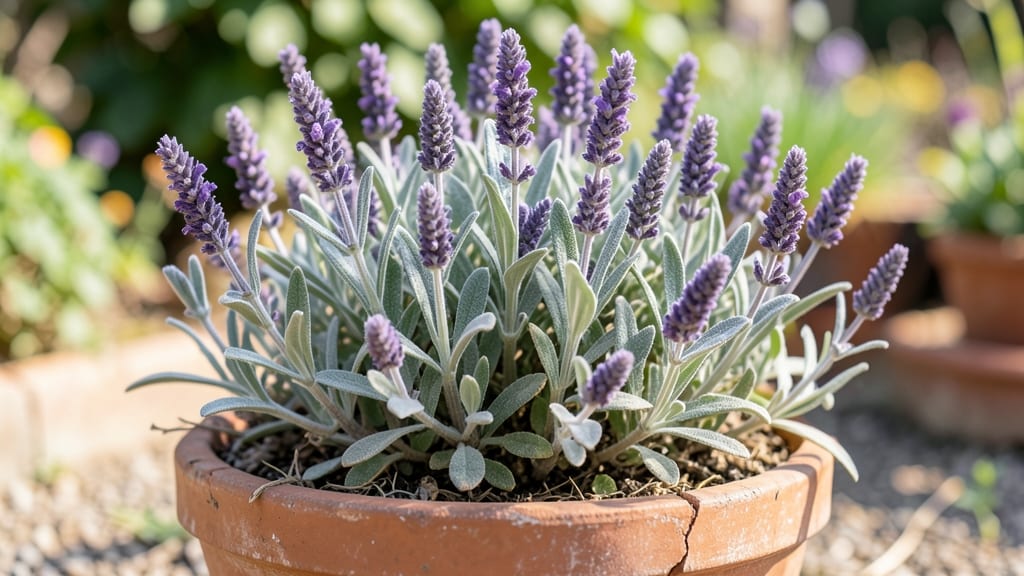
Growing a purple-flowering sage bush like Salvia leucantha transforms your garden into a velvety purple cloud that hums with bees all summer. 🌿 The secret to its dramatic spikes of lavender-purple blooms? Pruning at the right time—twice a year—and giving it the right mix of sun and well-draining soil.
I’ve watched mine go from a scraggly first-year plant to a 6-foot-tall showstopper that blooms from midsummer through frost, with just a little extra care. This sage thrives where others fail: full sun, dry soil, and even poor conditions.
Plant it in spring after the last frost, spacing bushes 3-4 feet apart to let them spread. The key is never letting the soil stay soggy—sage hates wet feet and will sulk with yellowing leaves if you overwater.
Once established, it’s nearly drought-proof, which makes it perfect for low-maintenance gardens or water-wise landscapes. What you’ll end up with is a bush that smells like a spiced herbal tea when you brush its fuzzy leaves, and blooms so dense they look like they were painted on.
The velvety purple flowers attract pollinators like crazy, and the plant keeps growing stronger each year if you prune it back hard in early spring and lightly after each bloom cycle. Even in winter, the woody stems add texture to the garden.
Works in zones 7-11, but with a little winter protection (like mulch or a frost cloth), you can grow it even in cooler climates. Here’s how to keep it thriving through every season—no green thumb required.
📚 In This Guide
- What you need
- Instructions
- Tips and common mistakes
- Wrapping up and next steps
What you need
- ● Purple sage plants: 1-3 Salvia leucantha (purple flower sage) plants (choose healthy, disease-free specimens).
- ● Well-draining soil: 5-10 gallons of a mix of 60% native soil, 30% coarse sand or perlite, and 10% compost (purple sage hates soggy roots!).
- ● Sunlight access: A location with full sun (6+ hours/day) or partial shade (4-6 hours) in hot climates.
- ● Watering can or hose: With a gentle spray nozzle for post-planting hydration.
- ● Garden gloves (to protect hands from prickly stems).
- ● Hand trowel or small shovel (for digging holes 2x wider than the root ball).
- ● Pruning shears (sharp, sterilized—bypass pruners work best for clean cuts).
- ○ Mulch (optional but recommended): 2-3 inches of gravel or pine bark to retain moisture and deter weeds.
- ○ Fertilizer (optional): A low-nitrogen, phosphorus-rich fertilizer (e.g., 5-10-10) applied once in early spring.
- ● 💡 Avoid overwatering! Purple sage is drought-tolerant—water deeply once a week (more in extreme heat).
- ● 🌡️ Hardiness zone: Plant in USDA zones 7-10 (purple sage thrives in warmth but may need winter protection in colder areas).
- ● ✨ Pruning precision: Deadhead spent blooms regularly to encourage continuous flowering.
How to cultivate a purple flower sage bush for year-round fragrance
Here's the straightforward approach I use to keep my purple sage thriving—and smelling amazing—throughout all seasons.
🌱 Step 1: Select the Right Location and Soil
Purple sage loves full sun—at least 6 hours daily—so choose a spot that gets morning sunlight and afternoon shade in hot climates. I always plant mine on a slight slope or raised bed to ensure proper drainage, because soggy roots will kill it fast. The soil should be well-draining, slightly alkaline (pH 7.0-8.0), and amended with sandy loam if your native soil is heavy.
Before planting, mix in 1-2 inches of coarse sand or perlite into the native soil to improve drainage. Purple sage hates wet feet, so if your yard has clay soil, consider planting in a large container with drainage holes. The roots need oxygen—don’t skimp on this step.
☀️ Step 2: Plant and Establish the Bush
Dig a hole twice as wide as the root ball but no deeper—sage roots grow outward, not downward. Gently loosen the roots if they’re circling the root ball, then place the plant so the top of the root ball sits level with the surrounding soil. Backfill with native soil mixed with compost (about 10% by volume) to encourage root growth.
Water deeply right after planting to settle the soil, but don’t overdo it—purple sage is drought-tolerant once established. After 2-3 weeks, let the soil dry out between waterings. You’ll know it’s settled in when new growth appears and the leaves stay vibrant purple-green.
✂️ Step 3: Prune for Shape and Fragrance
Prune twice a year—once right after flowering (late spring) and again in early spring before new growth starts. Use clean, sharp pruners to cut back one-third of the plant’s height, focusing on shaping it into a bushy form. Remove any dead, diseased, or crossing branches first—they’ll steal energy from the fragrant blooms.
Here’s the trick: Never prune into old wood. Sage blooms on new growth, so always cut just above a leaf node where new shoots will emerge. After pruning, give the bush a light fertilizer (like 10-10-10) to encourage fresh, fragrant foliage.
💧 Step 4: Water and Mulch for Year-Round Care
Once established, purple sage needs very little water—about 1 inch per week during dry spells. Water deeply but infrequently to encourage deep root growth. In winter, reduce watering to once every 2-3 weeks unless your climate is freezing—then hold off until spring.
Spread 2-3 inches of gravel or coarse mulch around the base (but keep it 2 inches away from the stem to prevent rot). This helps retain moisture, suppress weeds, and keep roots cool in summer. Avoid organic mulch like wood chips—it can compact and suffocate the roots.
⏰ Step 5: Protect and Maintain Through Seasons
In winter, if you’re in a cold climate (below 10°F), mound 3-4 inches of mulch around the base to insulate the roots. Purple sage is hardy, but young plants may need light frost cloth if temps drop below 20°F. In summer, watch for powdery mildew—if you see white spots, spray with neem oil and improve airflow by pruning lightly.
Harvest leaves and flowers as needed for fragrance, but never take more than one-third of the plant at once. The more you prune and harvest, the bushier and more fragrant it becomes. With this care, your purple sage will reward you with year-round scent and beauty—no fuss required.
Tips & tricks for perfect purple flower sage bush
Here's what nobody tells you about keeping your purple sage thriving—and fragrant—year after year.
Sunlight Strategy: The 6 hours of daily sun is non-negotiable, but here's the secret: position your bush to catch morning sunlight first. This prevents leaf scorch in hot afternoons. I've seen purple sage in full afternoon sun turn crispy—trust me, you don't want that. If you're in a hot climate, a bit of afternoon shade can make all the difference for leaf health and fragrance intensity.
Drainage is Everything: I can't stress this enough—purple sage roots will rot if they sit in soggy soil. That's why I always test drainage before planting by digging a hole, filling it with water, and seeing how quickly it drains. If it takes more than an hour, you need to amend the soil with the 1-2 inches of coarse sand or perlite mentioned in Step 1. Pro tip: If you're using containers, make sure they have drainage holes AND a saucer underneath to catch excess water.
Pruning Precision: When you're pruning that one-third of the plant's height in Step 3, focus on the center first. This improves airflow and prevents those pesky fungal issues. I always prune just above a leaf node where new growth emerges—this ensures you're encouraging bushier, more fragrant foliage. And remember, those two pruning sessions per year are your secret weapon for year-round fragrance.
Winter Protection: That 3-4 inches of mulch in winter isn't just decoration—it's insulation. For young plants in climates below 20°F, I've found that wrapping the base with frost cloth (even just for the first few winters) makes all the difference. Think of it like giving your sage a cozy blanket—it'll thank you with lush, fragrant growth come spring.
Pro Tips for Purple Flower Sage Bush
- Here's what nobody tells you about keeping your purple sage thriving—and fragrant—year after year.
- Sunlight Strategy: The 6 hours of daily sun is non-negotiable, but here's the secret: position your bush to catch mor...
- Drainage is Everything: I can't stress this enough—purple sage roots will rot if they sit in soggy soil. That's why I...
Frequently asked questions
Got questions about keeping your purple flower sage bush thriving? You’re not alone! Here are some of the most common concerns—and their easy solutions.
How often should I prune my purple sage bush to keep it blooming?
Prune your purple sage bush twice a year: once right after blooming (late spring/early summer) to shape it and again in late winter (before new growth starts) to remove dead wood. Avoid heavy pruning in fall—this can leave it vulnerable to cold damage. Pro tip: Never cut into old wood, as it won’t regrow!
Is purple sage bush cold-hardy? How do I protect it in winter?
Most purple sage bushes thrive in USDA zones 5–10, but they’re sensitive to wet, cold winters. Mulch the base with 3–4 inches of gravel or coarse mulch to prevent rot, and avoid pruning too late in the season. In freezing zones, wrap young plants with burlap for extra protection. Warning: Overwatering in winter can kill it!
Can I grow purple sage bush in containers? What’s the best soil mix?
Purple sage loves containers—just use a well-draining mix of 50% potting soil, 30% perlite, and 20% coarse sand. Ensure the pot has drainage holes, and choose a 12–18-inch diameter container for mature bushes. Move pots indoors (or to a garage) if temps drop below 20°F.
Why are my purple sage leaves turning yellow or dropping?
Yellow leaves usually mean overwatering or poor drainage. Let the soil dry out completely between waterings, and ensure your bush isn’t sitting in soggy soil. Dropping leaves can also signal aphids or spider mites—spray with neem oil or insecticidal soap if pests are present. Check the undersides of leaves!
What’s a good alternative if I can’t grow purple sage?
If your climate is too harsh or you want variety, try these fragrant, drought-tolerant alternatives:
- Lavender – Thrives in hot, dry conditions (zones 5–9).
- Russian Sage (Perovskia) – Silvery foliage, long blooms, and deer-resistant.
- Salvia ‘May Night’ – Deep purple spikes, similar care needs.
- Catmint (Nepeta) – Hardy, low-maintenance, and pollinator-friendly.
Wrapping up and next steps
Transforming your garden with a purple flower sage bush is a rewarding journey—one that combines beauty, fragrance, and low-maintenance charm! 🌿 With the right pruning techniques, you’ll enjoy vibrant blooms and intoxicating scents year-round.
Whether you’re a seasoned gardener or just starting, this plant offers endless possibilities for adding color and life to your outdoor space.
Ready to elevate your garden? Start by observing your sage bush this season—note its growth patterns, blooming cycles, and any areas needing a trim. Grab your pruners, follow the tips you’ve learned, and watch your purple sage thrive! 🌸