
Pruning
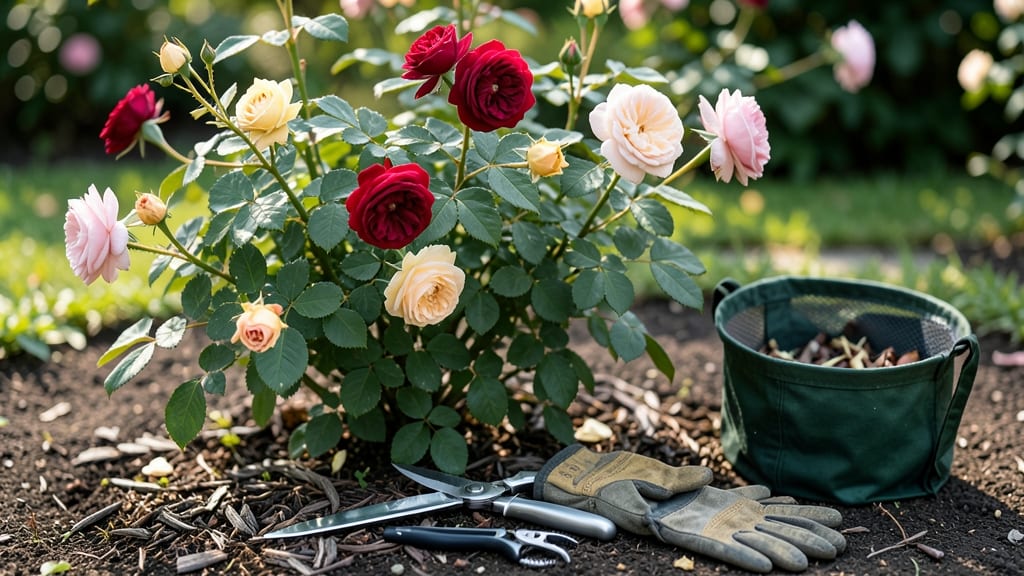
The proper way to prune rose bushes isn’t just about hacking away at branches—it’s the secret to vibrant blooms that last all season. ✂️ I’ve pruned roses for over a decade, and the difference between a thriving bush and one that barely flowers comes down to timing, technique, and knowing which cuts to make (and which to avoid).
The right approach turns leggy, overgrown bushes into compact, productive powerhouses that reward you with hundreds of blooms instead of just a few.
Start with the basics: you’ll need sharp pruners, a disinfectant (to prevent disease spread), and a clear day when the roses aren’t wet. The goal is to remove dead, diseased, or crossing branches first, then shape the bush by cutting back old wood to encourage new growth.
Most roses bloom on fresh wood, so pruning at the right time—late winter or early spring—sets the stage for a season of lush foliage and nonstop flowers. Think of it like giving your roses a fresh start after their winter nap.
What you’ll end up with is a bush that looks neater, grows stronger, and produces more flowers than you’ve ever seen. The key is patience: prune too aggressively, and you’ll stunt growth; skip it entirely, and your roses will become a tangled mess.
But get it right, and you’ll see new red shoots within weeks, followed by blooms that keep coming until frost. Even black-thumb gardeners can master this—it’s all about the right cuts at the right time.
The best part? This method works for every type of rose, from hybrid teas to shrub roses, and adapts to different climates. Whether you’re in a hot, dry zone or a damp, cool one, the principles stay the same.
Ready to transform your roses from struggling to showstopping? Let’s get those pruners sharp and make some magic happen.
📚 In This Guide
- What you need
- Instructions
- Tips and common mistakes
- Wrapping up and next steps
What you need
- ● Bypass pruners – Sharp, clean pruners (4-6 inch blades) for cutting stems up to ½ inch thick.
- ● Loppers – Heavy-duty bypass loppers (8-10 inch blades) for thicker branches (½–1½ inches).
- ● Pruning saw – For thick, woody stems (1½+ inches) that pruners can’t handle.
- ● Gloves – Sturdy, cut-resistant gloves (leather or heavy-duty fabric) to protect hands.
- ● Disinfectant – 70% isopropyl alcohol or a 10% bleach solution to sterilize tools between cuts.
- ● Hand pruners – For precision trimming of small stems or deadheading.
- ● Rubbing alcohol wipes – Quick tool disinfection on the go.
- ● Twine or zip ties – To secure large branches during pruning.
- ● Pruning sealant – Only for large cuts (¼ inch or thicker) to prevent disease entry.
- ● Check the weather forecast – Prune on a dry, overcast day to avoid stressing the plant.
- ● Know your rose type (hybrid tea, floribunda, climbing, etc.) – Pruning techniques vary!
- ● Have a clean workspace – Lay down a tarp or old sheet to collect debris.
- ● Review your pruning plan – Sketch the bush’s shape and mark cuts in advance.
Instructions for pruning rose bushes like a pro
Here’s the method I’ve used for years to keep roses blooming abundantly—no guesswork, just clean cuts and seasonal timing.
✂️ Step 1: Prune in Late Winter or Early Spring
Wait until after the last hard frost but before new growth starts—typically February to early March in most climates. This timing lets the plant recover before summer heat. You’ll know it’s ready when buds begin to swell but haven’t yet opened.
Start by removing any dead, diseased, or crossing branches first. These compete for energy and can spread rot. Use sharp bypass pruners to make clean cuts at a 45-degree angle, about ¼ inch above an outward-facing bud. This encourages growth away from the center, improving airflow.
For hybrid teas, cut back last year’s growth by ⅓ to ½ to promote strong new stems. Floribundas and shrub roses need less drastic cuts—just remove old wood and shape lightly. Avoid heavy pruning now; roses bloom on new wood, and late cuts delay flowering.
✂️ Step 2: Deadhead and Thin Out After Blooming
Once roses finish blooming in late spring or summer, deadhead spent flowers by cutting back to the first 5-leaflet leaf below the bloom. This redirects energy into new growth and future flowers. I do this every 2-3 weeks during peak bloom season.
While deadheading, look for branches that rub together or grow inward. These crowd the center and invite pests. Remove them completely at the base. Thin out crowded canes to improve airflow—aim for 3-5 strong stems per bush. You’ll see fewer but larger, healthier blooms as a result.
Skip heavy pruning now. Light shaping is all you need until next winter. Over-pruning in summer stresses the plant and weakens next year’s blooms.
✂️ Step 3: Light Summer Maintenance and Pest Control
Throughout summer, watch for suckers—shoots growing from the base or roots. Remove these immediately with hand pruners, as they drain energy from the main plant. Also trim any branches that look diseased (black spots, powdery mildew) by cutting 6 inches below the affected area.
After each pruning, sterilize your tools with rubbing alcohol to prevent spreading bacteria. I keep a small bottle in my tool belt—it takes 10 seconds and saves hours of cleanup later. Water the base deeply after pruning to reduce stress.
This is also the time to fertilize lightly with a balanced rose food if your soil feels depleted. Look for dark, healthy leaves as a sign the plant is thriving. Yellowing leaves mean it’s time to check for pests or nutrient deficiencies.
✂️ Step 4: Final Light Pruning in Early Fall
About 6 weeks before your first frost, give roses one last light pruning. Remove any remaining dead or diseased wood, and thin out crowded canes by 10-20%. This helps the plant prepare for dormancy without overstressing it.
Stop fertilizing now to let the plant harden off. Mulch around the base with 2-3 inches of organic mulch to protect roots from freezing temperatures. Avoid heavy pruning—you want the plant to enter winter with enough energy to regrow in spring.
Watch for late-season blooms. If you see buds forming, protect them with frost cloth if frost is forecasted. These late blooms are a bonus, but don’t prune for them—save that for next year.
Tips & tricks for pruning rose bushes like a pro
These simple tricks will help you avoid common mistakes and keep your roses thriving for years.
The Timing Secret: That February-to-March window is critical—prune too early and you risk damaging new buds that haven't opened yet. If you miss the spring window, don't panic! You can still do light pruning in late winter, but avoid heavy cuts. The key is watching for those swollen buds rather than just following calendar dates. In colder climates, wait until temperatures consistently stay above freezing during the day.
Tool Technique: Your pruners are your most important tool—keep them sharp! Dull blades crush stems instead of making clean cuts, which invites disease. I test mine by cutting a piece of paper cleanly in half—if it tears, the blade needs sharpening. Also, always sterilize your tools between cuts with rubbing alcohol (that 10-second step in Step 3 makes all the difference). This prevents spreading fungal spores from diseased branches to healthy ones.
Visual Cues for Cuts: That 45-degree angle might seem tricky, but think of it like slicing a pizza—you want the top slice to be slightly larger than the bottom. This creates a natural water runoff path away from the bud. For the ¼-inch clearance above the bud, imagine the width of your pinky finger when making the cut. This small detail prevents water from pooling on the bud, which can cause rot.
Seasonal Shape Strategy: Spring's heavy pruning (⅓ to ½ cuts) is about opening up the center, while summer's light maintenance focuses on removing only what's problematic. Think of it like giving your rose bush a spa treatment—spring is the deep clean, summer is the gentle maintenance. In fall, that 10-20% thinning helps the plant prepare for winter without overstressing it. The goal is always to improve airflow and sunlight penetration.
Pro Tips for Proper Way To Prune Rose Bushes
- These simple tricks will help you avoid common mistakes and keep your roses thriving for years.
- The Timing Secret: That February-to-March window is critical—prune too early and you risk damaging new buds that haven't opened yet.
- Tool Technique: Your pruners are your most important tool—keep them sharp!
Frequently asked questions
Got questions about pruning roses? You’re not alone! Here are answers to the most common concerns—so you can confidently snip and shape your bushes like a pro.
When is the best time to prune roses?
For most roses, late winter or early spring (just before new growth starts) is ideal. Climbing roses and hybrid teas thrive with a second light prune after blooming. Avoid pruning in fall—it invites pests and diseases to overwinter in fresh cuts.
What if I prune at the wrong time?
No panic! A late prune won’t kill your bush, but timing affects blooms. Pruning too early (mid-winter) can stress the plant, while late summer cuts may reduce next year’s flowers. If you missed the window, focus on removing dead/diseased wood immediately—health always comes first!
How much can I cut back?
For standard roses, aim to remove ⅓ of the bush’s height. Cut just above an outward-facing bud (about ¼ inch above) at a 45° angle. Over-pruning weakens the plant, while under-pruning crowds out airflow—leading to fungus. Think “less is more” for first-timers!
My roses look sad after pruning—what went wrong?
Check for these red flags:
- Too many cuts: Leave at least 3–5 strong canes per bush.
- Wrong angle: Flat cuts invite water pooling (rot risk).
- Diseased wood: Sterilize tools with rubbing alcohol between cuts.
Do I need to prune floribunda or grandiflora roses differently?
Not drastically! These repeat-bloomers follow the same rules as hybrid teas, but with one tweak: lightly trim spent blooms throughout the season to encourage more flowers. Avoid heavy cuts—they prioritize bush shape over continuous blooms. Think “maintenance prune” over “drastic overhaul.”
Wrapping up and next steps
Pruning your rose bushes doesn’t have to be intimidating—just follow the right timing, techniques, and tools, and you’ll reward yourself with vibrant blooms and stronger growth. Remember, consistency is key: trim in early spring, deadhead regularly, and clean up after winter to keep your roses thriving.
Now that you’re armed with the know-how, grab those shears and give your roses the care they deserve!
Ready to take the next step? Mark your calendar for your first spring pruning session and watch your garden transform! 🌸✂️