
Vegetables
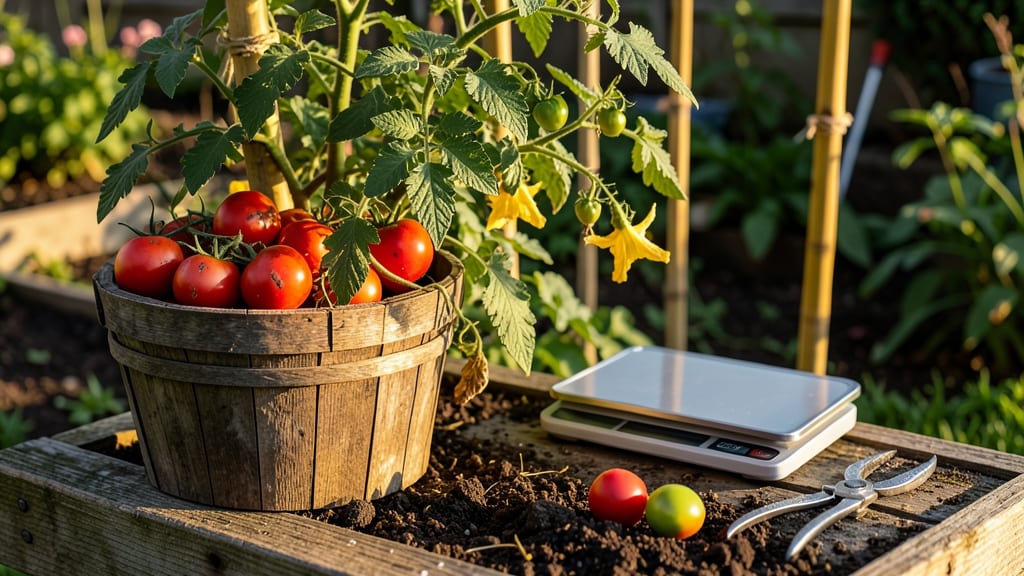
Determining pounds of tomatoes in a bushel reveals that standard varieties weigh between 53 to 57 pounds, though cherry tomatoes average 25-30 pounds while beefsteak types can exceed 60 pounds. The variation stems from fruit size, density, and moisture content.
Understanding these weight differences helps gardeners and sellers plan harvests more accurately. 🌱 For instance, a bushel of cherry tomatoes might yield 200-300 small fruits, while a bushel of beefsteak tomatoes contains only 10-15 large specimens.
The USDA's commercial grading system accounts for these variations by categorizing tomatoes based on weight per container rather than strict volume measurements. This means your homegrown harvest could differ significantly from store-bought bushels, especially if you're growing heirloom varieties with irregular shapes and sizes.
For gardeners, this knowledge translates directly to planning.
If you're aiming to can or sell your harvest, knowing your plants' expected yield per bushel helps determine how much space to allocate in your garden. 🌿 A single tomato plant typically produces about 8-10 pounds of fruit, so you'd need roughly 6-7 plants to fill a standard bushel of medium-sized tomatoes.
However, this number can vary based on growing conditions, plant health, and the specific variety you're cultivating.
💡 In This Article
- How Tomato Variety Affects Bushel Weight
- Calculating Tomato Yield per Bushel for Garden Planning
How tomato variety affects bushel weight
The weight of a bushel of tomatoes isn't set in stone—it's determined by the fruit's density, size, and moisture content.
Cherry tomatoes, for example, pack tightly due to their small size, but their thin skins and high water content (about 95%) keep their bushel weight light at 25-30 pounds.
In contrast, beefsteak tomatoes—with their thick flesh and fewer seeds—can push a bushel to 60 pounds or more because each fruit weighs 1-2 pounds individually. 🌱
Density plays a surprising role too. Heirloom varieties often have irregular shapes, leaving more air space in a bushel basket, which reduces total weight.
The USDA's commercial grading system accounts for this by measuring weight per container rather than volume, meaning a bushel of heirlooms might weigh 10-15 pounds less than a bushel of uniform Roma tomatoes. Even seed weight matters—larger-seeded varieties like Brandywine tomatoes add slight extra bulk compared to seedless hybrids.
Moisture content is another critical factor. Tomatoes harvested in dry climates or during heatwaves lose water quickly, making them denser and heavier per bushel. A 90°F day can reduce moisture content by 10-15%**, increasing weight by up to 5 pounds in a single bushel.
This explains why greenhouse-grown tomatoes often feel heavier than field-grown ones—the controlled environment maintains higher moisture levels during growth.
For gardeners, this means your bushel weight can vary wildly based on what you grow. A bushel of grape tomatoes might yield 250-300 fruits, while a bushel of beefsteak tomatoes contains just 10-15.
The USDA's standard 53-57 pound range assumes medium-sized slicing tomatoes, but heirloom or hybrid varieties can skew this dramatically. Understanding these differences helps you plan storage space and processing needs accurately.
Consider this comparison: A bushel of Roma tomatoes (used for sauces) weighs 55-58 pounds due to their elongated shape and dense flesh, while a bushel of cherry tomatoes might only weigh 28 pounds despite containing more individual fruits.
The key takeaway? Don't assume all bushels are equal—variety matters more than volume when calculating weight. 🍅