
Pruning
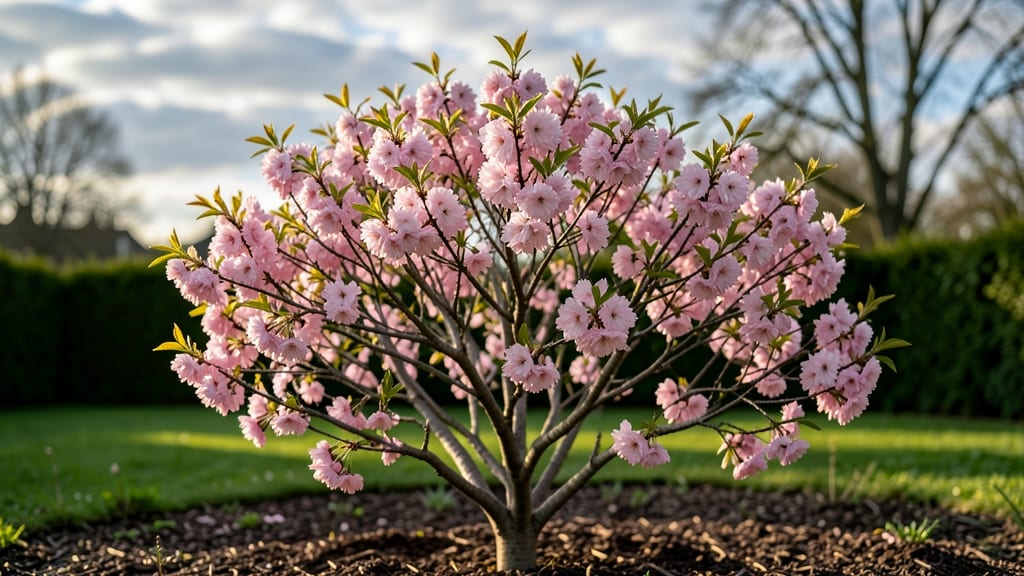
Growing a pink almond bush means waking up to clouds of fragrant blossoms every spring. 🌸 The secret to those showstopping blooms starts with pruning—something I learned the hard way after my first bush produced just a handful of flowers.
This isn't about cutting back randomly; it's about shaping the bush to encourage strong growth and maximum blooms.
You'll need sharp pruning shears, a sunny spot with well-draining soil, and patience—these bushes reward long-term care. Prune in late winter or early spring before new growth begins, removing about one-third of last year's growth.
The goal is to open up the center so light and air circulate freely, which triggers more blossoms. It takes about 20-30 minutes for a mature bush, and the payoff is worth every snip.
What you end up with is a bush covered in delicate pink flowers that smell like spring in a bottle. The blossoms last for weeks, and the tree itself stays compact enough for small yards. Even better, the pruning process gets easier each year as you learn your bush's rhythm.
The first flush of flowers arrives in late winter or early spring, and the scent alone makes the effort worthwhile.
Works for both new plantings and established bushes—just adjust the pruning intensity based on age. Here's how to do it right the first time.
📚 In This Guide
- What you need
- Instructions
- Tips and common mistakes
- Wrapping up and next steps
What you need
- ○ Pruning shears: Bypass pruners (sharp, clean, and disinfected with rubbing alcohol or bleach solution). Optional: Small handsaw for thick branches.
- ● Gloves: Heavy-duty gardening gloves (to protect from thorns and sap).
- ● Disinfectant: 1 part bleach to 9 parts water (for sterilizing tools between cuts).
- ○ Pruning sealant: Optional but helpful (e.g., tree wound paint) for large cuts to prevent disease.
- ● Ladder or stool: If your bush is tall (6+ feet), a stable ladder or step stool will make reaching the top branches safer.
- ● Trash bags or bucket: For collecting pruned branches (compost or recycle if possible!).
- ● Notebook & pencil: To sketch your bush’s shape and track progress (great for beginners!).
- ● Best time to prune: Late winter or early spring (just before new growth starts). Avoid pruning in fall or during frost.
- ● Weather conditions: Choose a dry, overcast day to minimize stress on the plant.
- ● Knowledge check: Familiarize yourself with the bush’s growth habit—pink almond bushes (Prunus armeniaca) bloom on old wood, so avoid heavy pruning after flowering!
- ● Safety first: Wear long sleeves and closed-toe shoes to protect against thorns and sap irritants.
Step-by-Step guide to pruning your pink almond bush
Here's the pruning routine I use to keep my pink almond bush flowering beautifully every spring.
✂️ Step 1: Prune in Late Winter Before New Growth Begins
Wait until after the worst winter cold passes but before buds swell—typically mid-to-late February in most climates. This timing ensures you're not cutting back new growth that might freeze later. Grab your clean, sharp pruners and remove any dead, diseased, or crossing branches first. These are easy to spot—they're brown, brittle, or growing inward toward the center.
Look for branches that are thinner than a pencil or growing in odd directions. These often steal energy from the main structure. I like to make cuts just above a bud or outward-facing leaf to encourage healthy regrowth. Avoid cutting into old wood—pink almond bushes bloom on last year's growth, so prune lightly to preserve flowering potential.
✂️ Step 2: Thin Out Overcrowded Branches for Better Airflow
Pink almond bushes produce dense foliage, which can trap moisture and invite fungal diseases. Step back and identify branches that are rubbing against each other or growing too close together. These are your targets for thinning—remove one of every two competing branches to open up the center. You want sunlight to reach all parts of the bush, not just the outer edges.
Focus on removing branches that grow straight up or inward. These rarely produce flowers and create a weak structure. A good rule of thumb: never remove more than 25% of the plant's total growth in one pruning session. This keeps the bush strong enough to support spring blooms. After thinning, the remaining branches should have plenty of space to grow outward.
✂️ Step 3: Shape the Bush for Even Growth and Flowering
Now it's time to shape the bush into an open, vase-like form. Start by cutting back the longest branches by about one-third to encourage bushier growth. Make your cuts just above an outward-facing bud or leaf to direct new growth where you want it. Avoid leaving stubs—always cut cleanly at a 45-degree angle just above the bud.
Pay special attention to the outer edges of the bush. Trim back any branches that are growing too long or leggy. These often produce fewer flowers and can look unkempt. After shaping, step back again to check for balance. The bush should look full but not overcrowded, with room for new growth to fill in any gaps. This open structure ensures better airflow and more abundant blooms next spring.
✂️ Step 4: Clean Up and Fertilize for Spring Growth
Once you've finished pruning, gather all the clippings and remove them from the garden immediately. Leaving them on the ground can spread diseases or attract pests. Sterilize your pruners with rubbing alcohol to prevent cross-contamination between cuts. Now's also the time to apply a balanced, slow-release fertilizer around the base of the bush—this gives the roots a nutrient boost for the upcoming growing season.
Water the bush deeply after fertilizing to help the nutrients absorb into the soil. Mulch around the base with 2-3 inches of organic mulch to retain moisture and suppress weeds. Avoid piling mulch directly against the trunk, as this can cause rot. With the pruning done and the bush fed, it's ready to burst into growth and produce stunning pink blossoms come spring.
Tips & tricks for pruning your pink almond bush
These simple strategies will help you transform your pruning session into a spring-flowering showstopper.
Timing is Everything: The mid-to-late February window is critical because it catches the bush between dormancy and new growth. If you prune too early, you risk cutting back tender buds that might still be vulnerable to late frosts. I've found that checking for swollen buds (they'll look slightly plump but not open) is the best indicator—prune just before they start to swell. This timing ensures you're not removing potential flowering wood while still giving the bush a fresh start.
Branch Selection Strategy: When identifying branches to remove in Step 2, I use the "pencil test" as a quick guide—anything thinner than a standard #2 pencil is likely stealing energy from the main structure. For crossing branches, always remove the smaller of the two to minimize impact on the bush's overall health. In Step 3, focus on creating that open vase shape by cutting back the longest branches by about one-third—this encourages bushier growth while maintaining the bush's natural form.
Tool Maintenance Matters: Sterilizing your pruners with rubbing alcohol between cuts (as mentioned in Step 4) is non-negotiable. I keep a small bottle of 70% isopropyl alcohol in my gardening toolkit specifically for this purpose. Clean tools prevent spreading diseases between cuts. Also, make sure your pruners are sharp—dull blades crush stems rather than making clean cuts, which can damage the plant and create entry points for infections.
Post-Pruning Care: After you've finished, don't just walk away! The 2-3 inches of organic mulch around the base serves multiple purposes: it retains moisture, suppresses weeds, and gradually breaks down to provide nutrients. I like to use shredded bark or wood chips because they break down slowly and won't compact like straw. And that deep watering after fertilizing? It's essential for helping the roots absorb those nutrients—think of it as giving your bush a post-surgery recovery drink.
Pro Tips for Pink Almond Bush
- These simple strategies will help you transform your pruning session into a spring-flowering showstopper.
- Timing is Everything: The mid-to-late February window is critical because it catches the bush between dormancy and new growth.
- Branch Selection Strategy: When identifying branches to remove in Step 2, I use the "pencil test" as a quick guide—anything thinner than a standard #2 pencil is likely stealing energy from the main structure.
Frequently asked questions
Got questions about growing and pruning your pink almond bush? You’re not alone! Here are answers to the most common queries to help you nurture a thriving, blossom-filled plant.
When is the best time to prune my pink almond bush?
Prune your pink almond bush late winter or early spring (just before new growth begins) to encourage vibrant spring blooms. Avoid pruning in fall—it can stimulate tender growth that won’t survive winter. For light shaping, you can trim lightly after flowering, but avoid heavy cuts.
How much should I trim back my pink almond bush?
Remove about 1/3 of the oldest, woody branches to promote new growth and airflow. Focus on dead, crossing, or overcrowded branches first. Never cut more than 25% of the plant’s total volume in one session—gradual pruning prevents stress.
Will pruning my pink almond bush affect its flowers next year?
Pruning correctly boosts blooms! Removing old wood redirects energy to younger branches, which produce more flowers. Just avoid over-trimming—leave some mature stems to ensure next year’s pink blossoms aren’t sacrificed. Think of it as a haircut: balance is key!
Can I propagate my pink almond bush from cuttings?
Yes! Take 4–6 inch semi-hardwood cuttings in early summer, dip in rooting hormone, and plant in moist sand/perlite mix. Keep humid (use a plastic bag) and wait 4–8 weeks for roots. Success rates vary—be patient, and consider grafting for faster results.
My pink almond bush isn’t blooming. What’s wrong?
Common culprits: over-pruning (too many cuts = less energy for flowers), poor sunlight (needs full sun for 6+ hours/day), or nutrient deficiencies. Feed with low-nitrogen fertilizer in early spring and ensure well-draining soil. Patience helps—young bushes may take 2–3 years to bloom!
Wrapping up and next steps
The pink almond bush is a stunning addition to any garden, offering not just beauty but also a bountiful harvest of fragrant blossoms and delicious nuts.
With the right pruning techniques—like shaping in early spring, thinning dense branches, and removing dead wood—you’ll encourage healthier growth and even more vibrant blooms year after year. 🌸
Ready to transform your garden? Grab your pruning shears and get started—your pink almond bush will thank you with a show-stopping spring display! For extra tips, check out our pruning calendar to keep your bush thriving.