
Pruning
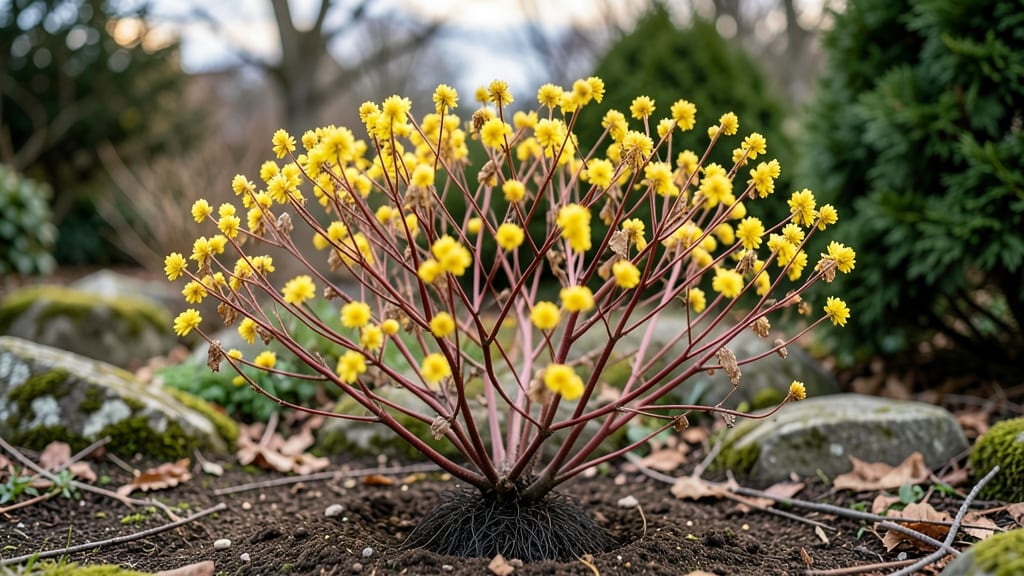
Growing paper bush (Edgeworthia chrysantha) means waking up to winter's sweetest secret—fragrant white flowers that smell like honey and appear before spring arrives. 🌿 I’ve nurtured mine through three winters, and the key to its success lies in understanding its quirks: the right soil, strategic pruning, and patience with its slow-but-steady growth.
This evergreen shrub thrives in well-draining, acidic soil (think pine bark or leaf mold mixed with garden soil) and partial shade—morning sun and afternoon shade protect its delicate blooms from scorching. Water deeply but infrequently; soggy roots invite fungal issues, and paper bush hates wet feet.
In zones 7-9, it handles winter beautifully, but mulch heavily in colder areas to shield roots from freeze-thaw cycles. The real magic happens with pruning: right after flowering, trim back leggy growth to encourage dense, bushier habits.
The paper-like buds that form are its signature—leave them untouched until spring, when they’ll burst into fragrant blooms. With proper care, your paper bush can live for decades, rewarding you with year-round greenery and winter fragrance that outshines any holiday decoration. Common challenges?
Humidity-loving fungal spores and slow growth in poor soil. Solve the first with airflow (space plants 3-4 feet apart) and the second by amending soil with compost. Propagate easily from cuttings in summer—just dip stems in rooting hormone and keep them moist until roots form.
Patience pays off with this underrated shrub!
📚 In This Guide
- What you need
- Instructions
- Tips and common mistakes
- Wrapping up and next steps
What you need
- ● Paper Bush (Edgeworthia): Mature plant (3+ years old) for pruning or young saplings for propagation.
- ● Pruning shears: Sharp, bypass-style (for clean cuts), 6-8" blade length.
- ● Disinfectant: 70% isopropyl alcohol or diluted bleach (1 part bleach to 9 parts water) to sterilize tools.
- ○ Garden gloves: Heavy-duty, cut-resistant (optional but recommended for thorny varieties).
- ○ Pruning sealant: Optional but helpful for larger cuts (e.g., Tree Seal or Pruning Wax).
- ● Compost or mulch: Organic matter (e.g., shredded bark or leaf mold) for post-pruning care.
- ● Rooting hormone: Powder or gel (e.g., Clonex) for cuttings.
- ● Small pots: 4-6" diameter with drainage holes (for propagating cuttings).
- ● Well-draining potting mix: Combine 50% peat moss, 30% perlite, and 20% compost.
- ● Plastic wrap or humidity dome: To retain moisture around cuttings.
- ● Knowledge of Edgeworthia growth habits: Research its dormant vs. active pruning seasons (late winter/early spring is ideal).
- ● Weather check: Prune on a dry, overcast day to minimize stress on the plant.
- ● Patience: Paper Bush thrives with light pruning—avoid aggressive cuts!
Step-by-Step instructions for cultivating paper bush Edgeworthia
Here's how to coax this fragrant beauty into thriving shape with precision pruning.
🌱 Step 1: Select and Prepare the Planting Site
Paper bush thrives in partial shade to full sun with well-draining soil—critical for preventing root rot. I dig a hole twice as wide as the root ball but only as deep, since the plant sits higher in its container. Amend heavy clay with 2-3 inches of compost mixed into the bottom third of the hole to improve drainage.
This plant tolerates USDA zones 7-9, so if you're in a colder zone, plant against a south-facing wall for winter protection. The key is avoiding waterlogged roots—Edgeworthia hates soggy feet. Test your soil's moisture retention by squeezing a handful: if it forms a tight ball, add more organic matter.
☀️ Step 2: Plant and Establish Initial Growth
Place the plant in the hole so the top of the root ball sits 1 inch above ground level—this prevents stem rot during heavy rains. Backfill with native soil, pressing gently to eliminate air pockets. Water deeply until moisture reaches 6 inches down, then let the soil settle for 24 hours before another watering.
Mulch with 2-3 inches of wood chips (never over mulch—keep it 3 inches from the trunk). This conserves moisture and regulates soil temperature, which Edgeworthia appreciates. Watch for new growth in 4-6 weeks—this is your confirmation the plant has rooted successfully.
✂️ Step 3: Master the Pruning Schedule for Fragrance
The secret to year-round fragrance lies in three pruning sessions: late winter (when buds swell), immediately after flowering (to encourage new growth), and a light cleanup in early fall. I use bypass pruners to make clean cuts just above a leaf node at a 45-degree angle—this prevents water from pooling on the stem.
Remove 1/3 of the oldest stems each winter to stimulate new, fragrant branches. Never prune into old wood—new growth emerges from the current season's stems. After flowering, trim back spent blooms by half to redirect energy into next year's flowers. This precise timing keeps your bush lush and aromatic.
💧 Step 4: Water and Fertilize for Optimal Health
Water deeply once weekly during the first growing season, then taper to every 10-14 days once established. Check moisture by inserting your finger 2 inches into the soil—if it feels dry, water thoroughly. Overwatering causes yellowing leaves, while underwatering leads to brittle stems.
Fertilize in early spring with a balanced 10-10-10 formula at half strength. I avoid high-nitrogen fertilizers—they promote leafy growth at the expense of fragrance. A light application of bone meal in fall provides slow-release phosphorus, which supports root development and next year's blooms.
⏰ Step 5: Winter Care for Cold-Climate Growers
In zones colder than 7, protect your Edgeworthia with burlap wraps or a lightweight frost blanket before the first frost. I also mound 4-6 inches of mulch around the base to insulate roots. Prune lightly in late winter—just enough to shape the plant—before new growth begins.
Watch for bud break in early spring as your first sign of survival. If buds appear but then blacken, you've overwatered during dormancy. Adjust next winter by reducing mulch depth or spacing waterings further apart. With proper winter care, your Paper Bush will reward you with scented blooms for decades.
Tips & tricks for cultivating paper bush Edgeworthia
Between us, these small details make the difference between a struggling shrub and a fragrant, decades-long beauty.
Soil Science: The 2-3 inches of compost in Step 1 isn't just about drainage—it's about creating the perfect microbial environment. I always mix in a handful of perlite to the bottom third of the hole for extra air pockets. This prevents that dreaded waterlogging while still keeping roots cozy. Think of it as giving your plant's roots a breath of fresh air.
Planting Precision: That 1-inch elevation above ground level in Step 2 isn't arbitrary—it's stem-rot prevention. I mark the root ball height with a pencil before digging, then use a level to ensure perfect placement. This small step keeps your plant healthy during those inevitable heavy rains. Trust me on this: soggy stems are the enemy of longevity.
Pruning Strategy: When removing 1/3 of oldest stems in Step 3, I always cut just above a leaf node at a 45-degree angle. This isn't just about aesthetics—it's about directing growth. The angled cut prevents water from pooling, and the leaf node ensures new growth emerges from exactly where you want it. I use a fine-tip permanent marker to mark stems I'll remove the following winter.
Watering Wisdom: The 24-hour settling period after planting in Step 2 lets the soil compact naturally. I test this by gently pressing my finger into the soil—if it springs back slowly, the soil has settled properly. This prevents overwatering right from the start, which is especially critical in heavy clay soils where roots can suffocate.
Pro Tips for Paper Bush Edgeworthia
- Between us, these small details make the difference between a struggling shrub and a fragrant, decades-long beauty.
- Soil Science: The 2-3 inches of compost in Step 1 isn't just about drainage—it's about creating the perfect microbial environment.
- Planting Precision: That 1-inch elevation above ground level in Step 2 isn't arbitrary—it's stem-rot prevention.
Frequently asked questions
When is the best time to prune my Paper Bush?
The ideal time to prune Edgeworthia is late winter or early spring, just before new growth begins. This encourages fresh, fragrant foliage and prevents overcrowding. Avoid heavy pruning in fall, as it may stimulate tender new growth that could be damaged by frost. Light shaping in summer is fine, but avoid cutting into old wood.
How much can I prune my Paper Bush without harming it?
You can safely remove up to one-third of the plant’s total growth in a single session. Focus on thinning out dense areas, removing dead or crossing branches, and shaping for airflow. Over-pruning (beyond ⅓) may stress the plant, but Edgeworthia is resilient—just avoid cutting into bare, woody stems unless rejuvenation is needed.
Why isn’t my Paper Bush flowering?
Paper Bushes need mature wood (3–5 years old) to flower, so patience is key! Ensure it gets full sun to partial shade and well-drained soil. Poor flowering can also stem from over-fertilizing with high nitrogen (which promotes leaves over blooms) or lack of winter chill in warm climates. Try a balanced 10-10-10 fertilizer in early spring.
Can I grow Paper Bush in containers, and how do I care for it?
Yes! Edgeworthia thrives in containers if given a well-draining mix (add perlite or sand) and a pot with drainage holes. Choose a 15–20 gallon container for mature plants. Prune regularly to control size, and move it indoors (or to a sheltered spot) if winter temps drop below 10°F (-12°C). Water moderately—containers dry out faster!
My Paper Bush leaves are turning yellow—what’s wrong?
Yellowing leaves often signal overwatering or poor drainage. Edgeworthia prefers soil that’s moist but not soggy. Check for root rot by gently lifting the plant—smelly, mushy roots mean it’s time to repot with fresh, gritty soil. Yellowing can also occur from nutrient deficiency (try a slow-release fertilizer) or pests like spider mites (spray with neem oil if needed).
Wrapping up and next steps
Growing Paper Bush (Edgeworthia) is a rewarding journey that brings year-round beauty and fragrance to your garden with minimal effort—thanks to smart pruning! 🌿 Whether you're a seasoned gardener or just starting, this versatile shrub thrives with the right care, from well-draining soil to strategic trimming.
The key takeaway? Prune in late winter to encourage lush blooms and maintain its compact shape—while respecting its slow growth.
Ready to transform your space? Start by observing your Paper Bush this season and experiment with pruning techniques. Share your progress or ask questions in gardening forums—your fellow green thumbs will love helping you master this fragrant gem! 🌸