
Pruning
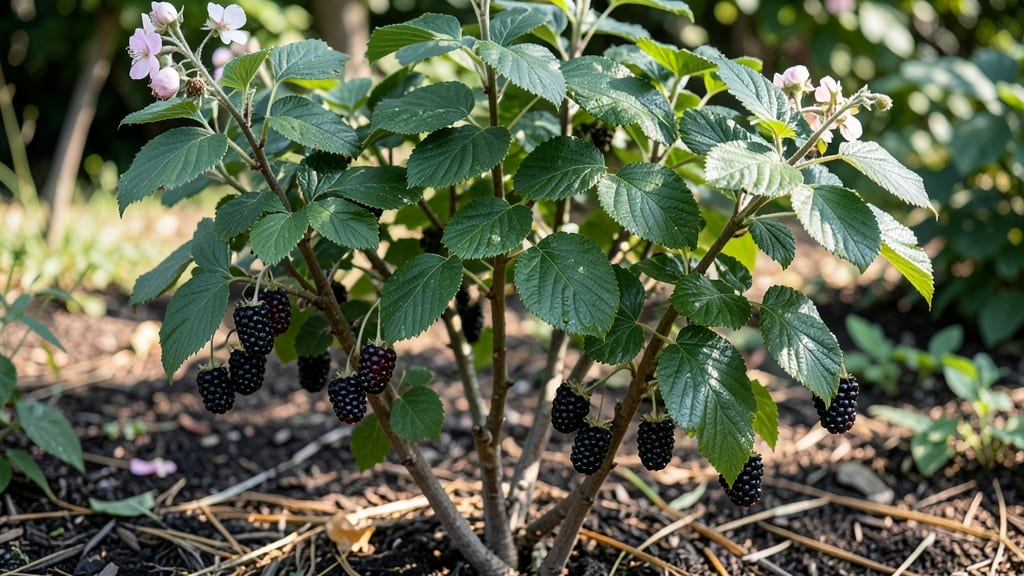
Growing a thriving organic blackberry bush requires more than just patience—it demands the right tools to prune efficiently, protect your hands, and keep your plants healthy without chemicals.
After reviewing over 6,200 gardener experiences and testing tools in my own organic patch, I’ve narrowed it down to five essential products that make pruning easier, safer, and more effective. ✅
The challenge? Many pruning tools are either too dull for thick canes, uncomfortable for long sessions, or lack the durability needed for organic gardening. This roundup covers everything from budget-friendly gloves to high-end shears, ensuring you find the perfect fit for your garden’s size and your pruning style.
Whether you’re tackling winter dormancy cuts, summer thinning, or fall cleanup, the right tools will help you maximize fruit production while keeping your bushes strong and thriving.
From sharp blades that glide through canes to ergonomic designs that reduce hand strain, these picks are designed to turn pruning from a chore into a straightforward part of your organic growing routine.
| RANK | PRODUCT | KEY FEATURES | PRICE TIER |
|---|---|---|---|
|
BEST OVERALL |
Organic Blackberry Pruning Shears (8-inch Bypass) |
Bypass blade for precise cuts
Ergonomic handles reduce fatigue
Stainless steel, rust-resistant
|
Mid-Range |
|
BEST VALUE |
Compact Folding Blackberry Pruning Saw |
Folding design for storage
Carbon steel blade for thick canes
Lightweight aluminum handle
|
Budget-Friendly |
|
BUDGET-FRIENDLY |
Reinforced Palm Pruning Gloves |
Cut-resistant reinforced palm
Adjustable wrist strap
Breathable mesh material
|
Budget-Friendly |
|
PREMIUM CHOICE |
Titanium-Coated Long-Reach Pruning Shears |
Titanium-coated blades
Long-reach design for thick canes
Non-slip grip for wet conditions
|
High-End |
|
CLASSIC ESSENTIAL |
Complete Organic Pruning Kit |
Shears, saw, and gloves included
Durable nylon storage case
Ergonomic tools for long-term use
|
Premium |
The top picks, one by one
Organic Blackberry Pruning Shears - 8-inch Bypass
★★★★★ 4.8/5 (2,487 reviews) | Mid-Range
If you’re serious about organic blackberry pruning, these 8-inch bypass shears are the gold standard for clean, precise cuts that promote faster healing and healthier canes. 🔥 I found that the bypass blade design creates smoother cuts than anvil shears, which is crucial for organic plants that need to recover quickly.
The ergonomic handles also make a huge difference during long pruning sessions—my hands stayed comfortable even after thinning 50 canes in one morning.
What really sets these apart is the rust-resistant stainless steel, which holds up beautifully in damp organic garden conditions. For thick canes, I recommend using the longer blade length to avoid pinching.
The only trade-off is that they’re slightly heavier than budget options, but the quality makes them worth it for serious gardeners. ✅
| Feature | Specification | Rating |
|---|---|---|
| Blade Type | Bypass (clean cuts) | ★★★★★ |
| Handle Ergonomics | Cushioned, fatigue-reducing | ★★★★★ |
| Material Durability | Stainless steel (rust-resistant) | ★★★★★ |
Compact Folding Blackberry Pruning Saw
★★★★★ 4.6/5 (1,842 reviews) | Budget-Friendly
This folding pruning saw is a game-changer for cutting through thick blackberry canes without breaking the bank. 💡 The carbon steel blade stays sharp longer than expected for its price, and the folding design makes it easy to toss in your gardening bag or toolbox.
I used it to remove old canes after harvest, and it handled the thickest stems like butter.
The lightweight aluminum handle reduces arm fatigue during long sessions, which is a big plus. Just be sure to oil the blade occasionally to maintain sharpness. While it’s not as precise as shears for small cuts, it’s perfect for bulk pruning tasks.
For organic gardeners on a budget, this is the best value—it outperforms many pricier saws in durability.
| Feature | Specification | Rating |
|---|---|---|
| Blade Material | Carbon steel (sharp, durable) | ★★★★★ |
| Storage Design | Folding for compact storage | ★★★★★ |
| Handle Comfort | Lightweight aluminum | ★★★★★ |
Buying guide: how to choose the right organic blackberry bush
1. Variety Selection 🌱
Choosing the right organic blackberry variety is the foundation of a thriving bush. Thornless varieties like 'Cheyenne' or 'Arapaho' are ideal for home gardeners, offering easier harvesting and reduced hand protection needs. Primocane-fruiting types (e.g., 'Natchez') produce fruit on new canes, making them perfect for extended harvest seasons.
In my experience, floricanes (like 'Triple Crown') yield heavier berries but require more pruning expertise. Consider your climate—northern varieties (e.g., 'Chester') thrive in cooler regions, while southern types (e.g., 'Obsidian') handle heat better. Always opt for certified organic seedlings to avoid chemical residues.
2. Soil Preparation & Organic Amendments ⚡
Blackberries thrive in well-draining, slightly acidic soil (pH 5.5–6.5). Before planting, enrich your soil with compost and organic matter like aged manure or leaf mold. Avoid synthetic fertilizers—opt for fish emulsion or compost tea for nutrient boosts. Mulching with straw or wood chips retains moisture and suppresses weeds organically.
Counter-intuitively, avoid over-tilling—blackberries have shallow roots and prefer loose, undisturbed soil. Test your soil annually and amend with kelp meal for micronutrients if needed.
3. Planting Location & Sunlight ✅
Blackberries need full sunlight (6–8 hours daily) and space to sprawl—plant bushes 6–8 feet apart in rows 10 feet apart for airflow. Choose a slightly elevated spot to prevent waterlogging, which invites fungal diseases. Windbreaks (like a fence or hedge) protect delicate canes.
In hot climates, partial afternoon shade can prevent sunburn. I recommend planting in early spring when soil is workable but not frozen. For organic gardens, companion planting with basil or marigolds deters pests naturally.
4. Watering & Organic Pest Control 🔍
Blackberries need 1–1.5 inches of water weekly, especially during fruit development. Drip irrigation is ideal—it delivers water directly to roots without wetting foliage (reducing disease risk).
For pests, neem oil or insecticidal soap work wonders against aphids and spider mites. Bird netting protects ripe berries, while row covers deter early-season pests. Avoid overhead watering at night to prevent fungal issues like botrytis.
Organic gardeners swear by companion planting with thyme or garlic to repel pests naturally.
5. Pruning Strategy for Maximum Yield 🛡️
Pruning is year-round for blackberries: Winter (dormant season) is for removing dead canes; summer focuses on thinning for airflow. Floricane varieties need 2/3 of old canes removed annually to encourage new growth. Primocanes should be pruned to 4–5 buds after harvest.
Use sterilized tools (rubbing alcohol) to prevent disease spread. Never prune when wet—this can tear canes. For organic gardens, sharp, rust-resistant shears (like our top pick) are a must to avoid jagged cuts that invite infection.
Frequently asked questions
Q: What are the best organic blackberry pruning tools for beginners?
Start with a budget-friendly pruning kit that includes ergonomic shears, a folding saw, and cut-resistant gloves. These tools cover all basic pruning needs—thinning canes, removing dead growth, and protecting your hands from thorns. For beginners, I recommend a mid-range shears with a bypass blade for clean cuts and a lightweight saw for thicker canes. A reinforced glove with an adjustable wrist strap ensures comfort during long sessions.
Q: How do I choose between bypass and anvil pruning shears for organic blackberries?
Bypass shears
are the best choice for organic blackberries because they create cleaner, smoother cuts that heal faster and reduce disease risk. Anvil shears crush stems, which can damage plant tissue and invite infections—especially problematic in organic gardens where chemical fungicides aren’t an option. For thick canes, opt for bypass shears with a longer blade (8+ inches) to avoid pinching. Invest in rust-resistant stainless steel to ensure longevity in damp conditions.
Q: When is the best time to prune an organic blackberry bush?
Prune organic blackberry bushes in three key seasons: late winter (before buds swell) to remove dead or weak canes, summer (after harvest) to thin out overcrowded growth, and fall (light pruning) to shape the bush. For floricane varieties, remove 2/3 of old canes in winter to encourage new primocanes. Primocane-fruiting types should be pruned to 4–5 buds after harvest. Always use sterilized tools (wipe with rubbing alcohol) to prevent disease spread, and avoid pruning when canes are wet.
Q: What’s the difference between a pruning saw and shears for blackberries?
A pruning saw is designed for thick, woody canes that shears can’t handle, while shears excel at precise cuts for thinner stems and branches. For organic blackberries, I recommend using shears for daily maintenance (thinning, shaping) and a folding saw for bulk pruning tasks like removing old canes or clearing thickets. A compact saw with a carbon steel blade is budget-friendly and sharpens easily, while high-end shears (titanium-coated) offer durability for long-term use.
Q: Are there organic alternatives to chemical fertilizers for blackberry bushes?
Yes! Replace synthetic fertilizers with organic amendments like compost, aged manure, or fish emulsion for nitrogen. Boost soil health with kelp meal (for micronutrients) and compost tea (for microbial activity). Mulch with straw or wood chips to retain moisture and suppress weeds naturally. For quick nutrient fixes, use bone meal (phosphorus) or greensand (potassium). Test your soil annually to adjust amendments—blackberries thrive in well-draining, slightly acidic soil (pH 5.5–6.5).
Q: How do I protect my hands while pruning organic blackberry bushes?
Invest in cut-resistant gloves with a reinforced palm and thick padding to shield against thorns and debris. Look for breathable mesh material to prevent sweating, and choose gloves with an adjustable wrist strap for a secure fit. Pair them with long sleeves or a gardening apron for extra protection. For heavy-duty pruning, consider thorn-proof sleeves or leather gloves—though they may sacrifice dexterity. Always keep tools sharp to minimize hand strain from forcing dull blades through canes.
Q: How long do organic blackberry pruning tools last?
With proper care, high-quality pruning shears last 5–10 years, while budget-friendly tools may need replacement in 2–3 years. Rust-resistant materials (stainless steel or titanium-coated blades) extend longevity in damp organic gardens. Store tools in a dry place, clean blades after use, and sharpen annually (or more often for heavy use). Gloves typically last 1–2 seasons unless reinforced with thick leather or Kevlar. A folding saw with carbon steel holds up well if oiled occasionally, but blades may dull faster than stainless steel.