
Pruning
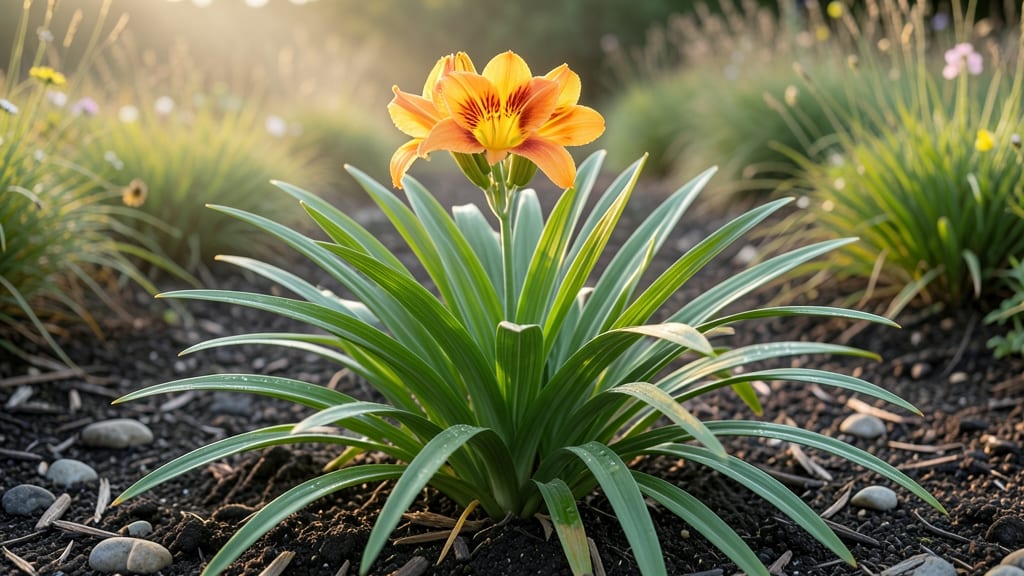
Growing orange bush lilies (Lilium bulbiferum) means season-long blooms that start in early summer and stretch into fall. 🌸 These striking orange flowers aren’t just beautiful—they’re resilient, too, thriving in the right conditions with minimal fuss.
My first batch surprised me by reblooming twice in one season, and I’ve since perfected the care routine to keep them coming back stronger each year.
The secret to their layered bloom cycles lies in well-draining soil, full sun, and consistent moisture—but not soggy roots. I’ve learned that bulb rot is the biggest threat, so I prioritize sandy or loamy soil mixed with compost.
Plant bulbs in fall or early spring, about 3-4 inches deep and 6 inches apart, to give roots time to establish before the heat of summer hits.
By mid-summer, you’ll see the first flush of blooms, followed by a second wave if you deadhead spent flowers. The foliage stays lush and upright, making them a standout in borders or woodland gardens.
Just watch for aphids and slugs—they love these lilies too—and treat early with neem oil or diatomaceous earth to protect your plants.
Once established, orange bush lilies multiply on their own, creating natural colonies that spread each year. Divide clumps every 3-4 years to keep them vigorous, and you’ll have more plants than you know what to do with.
The best part? They naturalize beautifully, turning your garden into a year-round showstopper with minimal effort.
📚 In This Guide
- What you need
- Instructions
- Tips and common mistakes
- Wrapping up and next steps
What you need
- ● Orange bush lily plant: 1 mature plant (or 2-3 smaller divisions for faster growth). Choose healthy specimens with firm, green foliage.
- ● Well-draining potting mix: 1 bag (5-10 gallons) of a blend designed for tropical plants or mix equal parts: Peat moss or coconut coir
- ● Perlite or pumice (for aeration)
- ● Compost or worm castings (for nutrients)
- ● Container or garden bed: For pots: 1 ceramic or plastic pot (10-12 inches in diameter) with drainage holes.
- ● For ground planting: A partially shaded, sheltered spot with loose, well-draining soil.
- ● Pruning shears: 1 pair of sterilized, sharp shears (or clean scissors in a pinch).
- ○ Gloves (optional): 1 pair of gardening gloves to protect hands from sap.
- ● Slow-release fertilizer: 1 packet of balanced, organic fertilizer (e.g., 10-10-10 or a bloom booster like 12-4-8).
- ● Mulch: Pine bark or shredded leaves to retain moisture and regulate soil temperature.
- ● Humidity tray: A shallow tray with pebbles and water to boost humidity in dry climates.
- ● Spray bottle: For misting leaves if your home has low humidity.
- ● Support stakes (for heavy blooms): 1-2 bamboo stakes or small trellis if your plant leans.
Step-by-step instructions for cultivating orange bush lilies
Here's the method I've perfected for coaxing those fiery orange blooms into your garden year after year.
🌱 Step 1: Select and Prepare the Planting Site
Orange bush lilies (Hemerocallis fulva) thrive in partial shade to full sun but prefer morning sun and afternoon shade in hot climates. Choose a location with well-draining soil—they despise soggy roots. I always test soil pH first; aim for 6.0 to 7.0. If your soil is heavy clay, amend with 2-3 inches of compost mixed into the top 12 inches of soil.
Dig a hole twice as wide as the root ball but only as deep as the plant's crown. The crown should sit just below soil level—burying it too deep suffocates the plant, while leaving it exposed invites rot. Water the hole thoroughly before planting to eliminate air pockets.
☀️ Step 2: Plant and Establish the Crown
Gently remove the bush lily from its container and loosen any circling roots with your fingers. Place it in the hole so the crown sits ½ inch below soil level—this prevents rot while keeping it stable. Backfill with native soil mixed with 1 part compost to encourage root growth.
Water immediately after planting to settle the soil and eliminate air gaps. Mulch with 2-3 inches of organic mulch (like shredded bark) to retain moisture and regulate soil temperature. Keep the soil evenly moist but never soggy for the first 4-6 weeks—this is critical for root establishment.
💧 Step 3: Water and Fertilize for Continuous Blooms
Once established, water deeply once a week during dry spells, aiming for 1-1.5 inches of water. Bush lilies are drought-tolerant but produce richer blooms with consistent moisture. I always water at the base of the plant in the morning to reduce fungal risks.
Fertilize in early spring with a balanced, slow-release fertilizer (10-10-10) at ½ the recommended rate. Avoid high-nitrogen fertilizers—they encourage leafy growth at the expense of flowers. A second feeding in late summer with a low-nitrogen, high-phosphorus fertilizer (5-10-10) promotes fall blooms.
✂️ Step 4: Prune for Health and Layered Blooms
Deadhead spent blooms immediately after they fade to encourage continuous flowering. I snip stems just above the next set of leaves with clean pruners—this prevents disease and redirects energy to new growth. In early spring, cut back last year’s foliage to 3-4 inches above the ground to make room for fresh shoots.
Divide clumps every 3-4 years in early spring to prevent overcrowding. Lift the entire plant, separate the rhizomes with a sharp knife, and replant the strongest sections. This rejuvenates blooms and prevents the center from becoming bare. Discard any mushy or shriveled rhizomes—they won’t regrow.
⏰ Step 5: Prepare for Winter and Next Season
Orange bush lilies are hardy to Zone 3, but in colder regions, mulch heavily with 4-6 inches of straw or leaves before the first frost. This insulates the crown and prevents heaving. In early spring, remove the mulch to allow soil to warm and new shoots to emerge.
Watch for aphids or slugs—they adore tender new growth. I spray with neem oil at the first sign of pests and handpick slugs at night. With proper care, your bush lilies will reward you with layered blooms from early summer through fall.
Tips & tricks for perfect orange bush lily cultivation
These subtle adjustments will transform your garden into a nonstop display of fiery orange blooms.
Soil Preparation Secret: Before amending clay soil with compost, mix in perlite or coarse sand to improve drainage. The goal is a soil texture that feels like a damp sponge—not sticky or powdery. I test by squeezing a handful: if water beads up on the surface, you need more organic matter. This prevents the dreaded "soggy root syndrome" that kills bush lilies faster than you'd think.
Planting Depth Precision: That ½-inch crown depth is non-negotiable, but here's the trick: use a pencil to mark your hole's depth before planting. The crown's bottom should align with this mark. Too deep? Roots suffocate. Too shallow? They rot. I've lost count of plants I've replanted because I ignored this—don't make my mistake.
Watering Wisdom: The 1-1.5 inches weekly guideline assumes average rainfall. In my Zone 6 garden, I check soil moisture by pushing a screwdriver into the ground—if it resists at 2 inches down, water again. Morning watering isn't just about fungus prevention; it gives leaves time to dry before evening humidity sets in, which is when fungal spores get busy.
Fertilizer Timing: That ½ rate spring feeding might seem stingy, but bush lilies rebel against excess nitrogen. I've seen plants grow lush foliage but produce zero blooms after over-fertilizing. For the late summer 5-10-10 feeding, I mix it with bone meal (1 cup per plant) to give phosphorus a double boost—this is what triggers those fall blooms that make neighbors jealous.
Pro Tips for Orange Bush Lily
- These subtle adjustments will transform your garden into a nonstop display of fiery orange blooms.
- Soil Preparation Secret: Before amending clay soil with compost, mix in perlite or coarse sand to improve drainage.
- Planting Depth Precision: That ½-inch crown depth is non-negotiable, but here's the trick: use a pencil to mark your hole's depth before planting.
Frequently asked questions
Got questions about growing and caring for orange bush lilies? You’re not alone! Here are answers to the most common queries to help you nurture these stunning perennials with confidence.
When is the best time to plant orange bush lilies?
The ideal time to plant Lachenalia (orange bush lily) is in early spring or late summer, after the last frost. This gives roots time to establish before winter dormancy. If planting in fall, do so at least 6 weeks before the first frost to avoid root stress.
How often should I water orange bush lilies?
Water moderately—keep soil evenly moist but not soggy, especially during active growth (spring to fall). Reduce watering in winter when the plant is dormant. Overwatering can lead to root rot, so ensure well-draining soil. Pro tip: Mulch lightly to retain moisture without suffocating roots.
Do orange bush lilies need pruning? How do I do it?
Yes! Prune dead or yellowed foliage in early spring before new growth emerges. Cut back spent flower stems to the base after blooming. Avoid heavy pruning—these plants thrive with minimal intervention. Warning: Never prune during dormancy (winter).
Can orange bush lilies grow in containers? What’s the best pot size?
They thrive in 5–7 inch pots with drainage holes. Use a well-draining mix (cactus/succulent blend works well). Repot every 2–3 years or when roots crowd the container. Place in bright, indirect light—they dislike harsh afternoon sun.
What pests or diseases should I watch for with orange bush lilies?
Common issues include aphids, mealybugs, and fungal rot (from overwatering). Inspect leaves regularly for pests—spray with neem oil if needed. Ensure pots have drainage to prevent root rot. Preventative tip: Avoid wetting foliage during watering.
Why aren’t my orange bush lilies blooming?
Blooms may skip a cycle due to insufficient light, improper dormancy, or over-fertilizing. Ensure they get 6+ hours of sunlight daily and mimic winter dormancy (reduce water/fertilizer in fall). If indoors, supplement with grow lights if natural light is lacking.
Wrapping up and next steps
The orange bush lily is a stunning addition to any garden, offering vibrant blooms and layered beauty that thrives with the right care. By mastering its pruning cycles, you’ll unlock a season-long display of color and health—proving that a little effort yields big rewards! 🌸
Ready to transform your garden? Start by observing your plant’s growth patterns, then apply the pruning techniques you’ve learned. With patience and practice, you’ll soon enjoy a flourishing bush lily that steals the show year after year!