
Pruning
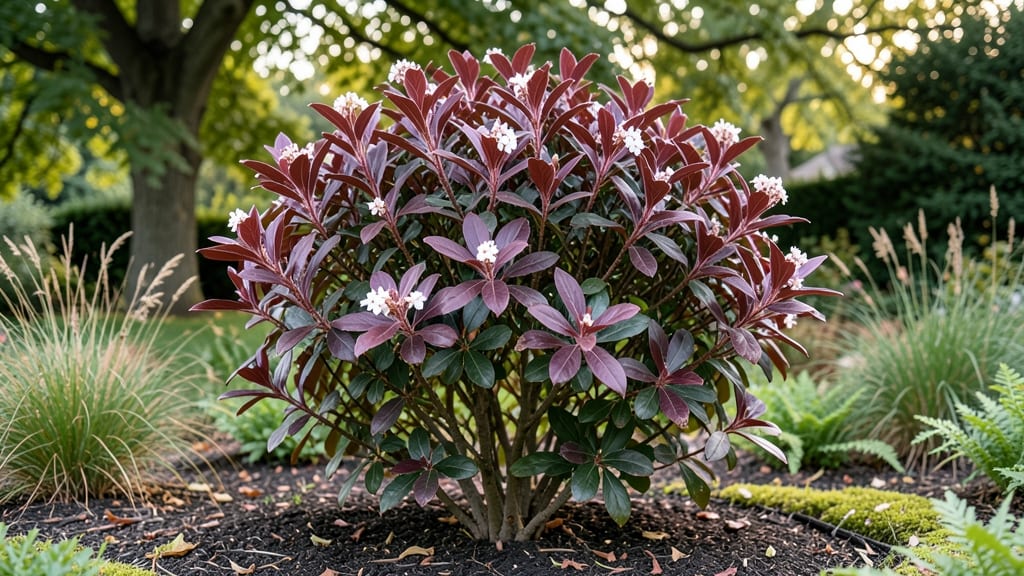
Growing a ninebark bush 'Summer Wine' transforms your landscape with its deep burgundy foliage that glows like liquid wine in sunlight. 🌿 This hardy shrub thrives in full sun to partial shade, making it perfect for borders, hedges, or even as a striking standalone specimen.
The secret to those rich colors lies in well-draining soil and consistent moisture—once established, it’s shockingly drought-tolerant.
Pruning is where the magic happens. Cut back old stems in late winter or early spring to encourage fresh growth and maintain that vibrant hue. Deadheading spent flowers keeps the bush tidy and prevents seed formation, while occasional shaping in summer ensures dense foliage.
Just avoid heavy pruning after mid-summer—you’ll sacrifice next year’s color.
Pests rarely bother this tough shrub, but watch for aphids or spider mites on young growth. A strong spray of water usually clears them, and the bush’s thick bark deters most diseases.
With proper care, your 'Summer Wine' ninebark will reward you with season-long drama—deep red leaves in spring, white summer blooms, and fiery fall foliage.
For maximum impact, plant it where its foliage will contrast beautifully with greens or silvers. In colder zones, mulch the base to protect roots during winter. Once established, this shrub needs little beyond occasional pruning and watering—low-maintenance luxury at its finest.
📚 In This Guide
- What you need
- Instructions
- Tips and common mistakes
- Wrapping up and next steps
What you need
- ● Fresh ninebark flowers: 2 cups (packed), harvested in full bloom (avoid pesticides!)
- ● White wine (dry): 1 gallon (750 mL x 4 bottles), chilled
- ● Honey or sugar: 1 cup (adjust to taste—start with ¾ cup if you prefer less sweetness)
- ● Lemon juice: ¼ cup (for acidity and preservation)
- ● Water: ½ cup (for dilution if needed)
- ○ Active dry yeast: 1 packet (¼ oz / 7g) or 2¼ tsp (optional, for secondary fermentation)
- ● Clean glass jars or fermentation vessel: 1 gallon-sized (with airlock or lid)
- ● Cheesecloth or fine mesh strainer: For filtering flowers
- ● Sanitizer (star sanitizer or vodka): To sterilize equipment
- ● Wooden spoon or sanitized utensil: For stirring
- ○ Funnel: For transferring liquid (optional but helpful!)
- ● Thermometer: To monitor fermentation temperature (ideal: 68–75°F / 20–24°C)
- ● Glass bottles or swing-top bottles: For storing the final product (12–16 oz each)
- ● Rubber stoppers or corks: For sealing bottles (if not using swing-tops)
- ● Dried lavender or chamomile: 1 tbsp (for added floral complexity)
- ● Cinnamon stick or vanilla bean: 1 (for warmth)
- ● Campden tablets: 1 (to prevent oxidation if using store-bought wine)
- ● pH strips: To test acidity (aim for 3.2–3.6)
How to harvest and prepare ninebark flowers for fermentation
Ninebark's delicate blooms pack a floral punch perfect for crafting vibrant summer wines. Here's how to harvest and prepare them for fermentation without losing potency.
🌿 Step 1: Harvest Flowers at Peak Bloom
Pick ninebark flowers when they're fully open but before petals begin to fade—this ensures maximum floral oils and color. Harvest on a dry morning after dew has evaporated to prevent moisture from diluting your infusion. Use clean, sharp scissors to snip stems just above a leaf node, leaving the plant's growth intact for future blooms.
Work quickly to avoid wilting. Spread the flowers on a clean kitchen towel in a single layer, gently patting them dry with another towel to remove excess moisture. This step is critical—wet petals will create cloudy wine and encourage mold growth during fermentation. Aim for about 1 cup of fresh flowers per quart of wine for a balanced floral profile.
🌱 Step 2: Prepare Flowers for Infusion
Remove any green stems or leaves from the flower clusters, as they can impart bitter flavors. For optimal extraction, you have two options: either use the flowers fresh or dry them first. If drying, spread them in a single layer on a mesh screen or clean paper towels in a warm, dark place for 3-5 days, stirring gently once daily until completely dry and crisp. Store dried flowers in an airtight container until ready to use.
For fresh flowers, proceed immediately to the next step. If using dried flowers, crush them lightly with your fingers or a mortar and pestle to release essential oils—this enhances flavor extraction during fermentation. I like to mix the dried petals with a tablespoon of honey per cup of flowers to help preserve their delicate aromatics during the process.
☀️ Step 3: Combine With Base Wine and Sweetener
In a sanitized glass jar, combine 1 quart of dry white wine (like Sauvignon Blanc or Pinot Grigio) with your prepared flowers. Add 1 cup of honey or ¾ cup granulated sugar to feed yeast and create a stable fermentation environment. Seal the jar loosely with a lid or cheesecloth to allow CO₂ to escape while keeping out contaminants.
Store the mixture in a dark, cool place (around 65-70°F) for 4-6 weeks**, stirring gently every few days to ensure even infusion. You'll notice the liquid gradually deepen in color and develop a floral aroma. After 4 weeks, taste the wine—if the flavor is strong enough, it's ready. If not, let it steep another 2 weeks.
💧 Step 4: Strain and Bottle for Aging
Once the infusion reaches your desired strength, strain the mixture through a fine-mesh sieve or cheesecloth into a clean glass bottle or carboy. Press the flowers gently to extract every last drop of liquid, then discard the spent petals. Transfer the wine to sterilized glass bottles, leaving about 1 inch of headspace to allow for any potential carbonation.
Let the wine age in a dark, cool place for an additional 4-6 weeks to mellow flavors and develop complexity. You'll see sediment form over time—this is normal. Before serving, decant the wine carefully, leaving the sediment behind. Chill for 2-3 hours before enjoying to highlight the floral notes.
Tips & tricks for perfect ninebark bush summer wine
Between us, these little details make the difference between a pleasant sip and a truly exceptional floral elixir.
Harvest Timing: The difference between vibrant floral notes and muted flavors often comes down to this single, seemingly insignificant step. Harvest ninebark flowers when they're fully open but before petals begin to fade—this is when their essential oils are at peak potency. I've found that harvesting on dry mornings after dew has evaporated prevents moisture from diluting your infusion, which is critical for maintaining that bright floral character we're all chasing.
Drying Technique: If you choose to dry your flowers (which I recommend for deeper flavor extraction), spread them in a single layer on a mesh screen in a warm, dark place. Stir them gently once daily for those 3-5 days to ensure even drying. The goal is crisp, dry petals that crumble slightly when touched—this indicates optimal essential oil preservation. I've ruined batches by crowding the flowers, which traps moisture and leads to mold.
Fermentation Environment: Maintaining that 65-70°F range during the 4-6 week fermentation is non-negotiable. Any warmer and you risk over-fermentation; any cooler and the process stalls. I use a dedicated wine fridge for this step, but a dark closet with a thermometer works too. The subtle floral aromas develop best in this stable temperature range—think of it as creating the perfect greenhouse conditions for your wine's flavor profile.
Straining Strategy: When it comes time to strain your infusion, don't rush it. Press the flowers gently but thoroughly to extract every last drop of liquid—this is where you get those final floral notes. I use a double layer of cheesecloth for this step, which catches any fine petal debris that could make your wine cloudy. The extra effort here makes a noticeable difference in the final clarity and flavor of your wine.
Pro Tips for Ninebark Bush Summer Wine
- Between us, these little details make the difference between a pleasant sip and a truly exceptional floral elixir.
- Harvest Timing: The difference between vibrant floral notes and muted flavors often comes down to this single, seemingly insignificant step.
- Drying Technique: If you choose to dry your flowers (which I recommend for deeper flavor extraction), spread them in a single layer on a mesh screen in a warm, dark place.
Frequently asked questions
Got questions about crafting your own ninebark bush summer wine? You’re in the right place! Here are answers to the most common queries—from timing to troubleshooting—so you can ferment with confidence.
How long does it take to make ninebark bush summer wine?
Fermentation takes 4–6 weeks, but the full flavor develops over 3–6 months in storage. Patience is key—rushing can leave your wine flat. Start tasting after 8 weeks to check sweetness and acidity. Pro tip: Keep it in a cool, dark spot (like a basement or pantry) for the best results.
Can I use dried ninebark flowers instead of fresh?
Yes! Dried flowers work, but fresh is ideal for vibrant flavor. If using dried, soak them in warm water for 1–2 hours before adding to the must to rehydrate. Adjust the quantity slightly—dried flowers are more concentrated, so use ⅔ the amount of fresh. Troubleshooting: Over-drying can make the wine bitter.
What if my wine turns cloudy or smells off?
Cloudiness is normal during fermentation, but a sour or vinegary smell means contamination. If this happens, discard the batch—don’t risk it! To prevent this, sanitize all equipment with star sanitizer, use clean water, and avoid introducing wild yeast. Quick fix: If cloudy but smells fine, it’s likely just sediment—rack the wine to clarify.
Can I substitute other floral ingredients?
Swap ninebark for honey suckle, elderflower, or rose petals for a different floral profile. Stick to edible, pesticide-free flowers—avoid garden flowers treated with chemicals. Adjust sugar levels based on the floral intensity; some (like elderflower) are sweeter and may need less honey. Experiment!
How do I know when the wine is ready to bottle?
Your wine is ready when it’s clear (or mostly clear), smells clean, and tastes balanced—no harsh alcohol or unfermented sweetness. Test by racking into a clean carboy and letting it settle for 1–2 weeks. If bubbles stop rising in the airlock, fermentation is complete. Bottle within 24 hours to avoid oxidation.
Still curious? Drop your questions in the comments—we’re happy to help you perfect your batch!
Wrapping up and next steps
Transforming your ninebark bush into a fragrant summer wine is more than just a creative project—it’s a celebration of nature’s bounty and your green thumb! 🌸 This floral elixir captures the essence of your garden, offering a unique, homemade treat that’s perfect for gifting or savoring.
Whether you’re a pruning pro or a curious beginner, this recipe turns seasonal trimmings into liquid gold.
Ready to elevate your harvest? Grab your blooms, follow the steps, and let fermentation work its magic! Next, share your batch with fellow gardeners or experiment with flavor twists—like adding berries or citrus—to make it your own. Cheers to turning prunings into something extraordinary! 🍷✨