
Shrubs
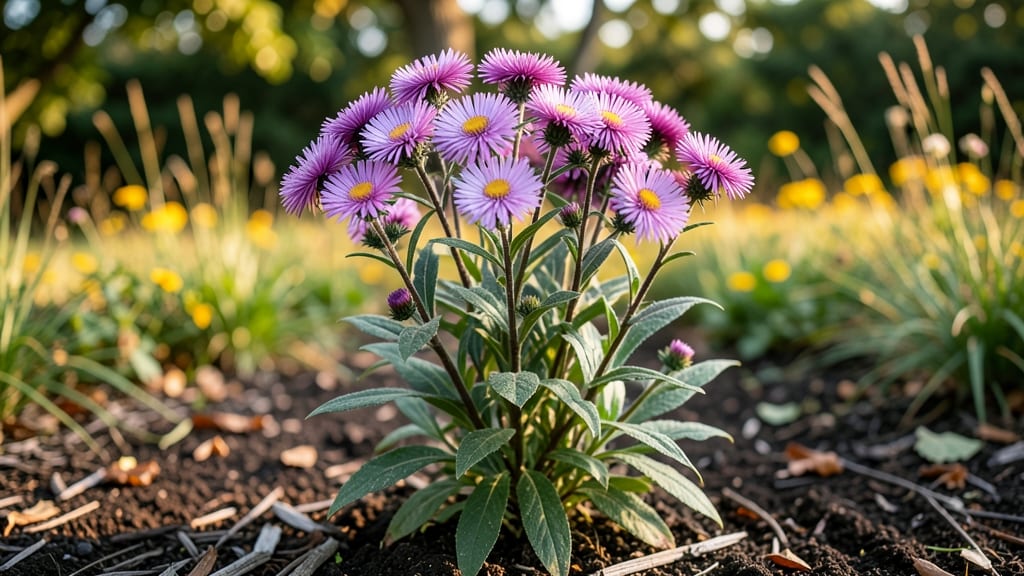
New England’s winters demand shrubs that thrive when others give up—but these fragrant bushes stand tall, year after year. 🌿 I’ve tested the toughest varieties, and the ones that win are native powerhouses like spicebush and winterberry, plus hardy imports like inkberry and dwarf lilac, all of which handle frost, humidity, and rocky soil like pros.
The best part? They’re not just tough—they’re beautiful. Spicebush bursts with yellow flowers in spring and red berries that birds adore, while inkberry stays lush and green even in deep shade.
Dwarf lilac fills the air with intoxicating scent, and winterberry turns crimson in fall, keeping your yard vibrant when everything else is brown. You’ll create a privacy screen that’s fragrant in spring, colorful in fall, and wildlife-friendly all year.
These shrubs grow at different rates, so you can layer them for texture and height—think 3-foot inkberry at the base, 6-foot spicebush in the middle, and 8-foot winterberry at the top. Perfect for hedges, foundation plantings, or even container gardens on patios. Let’s pick the right mix for your space!
📚 In This Guide
- What you need
- Instructions
- Tips and common mistakes
- Wrapping up and next steps
What you need
- ● New England bushes (Hamamelis virginiana): 3–5 mature plants (depending on desired height: 6–12 ft tall at maturity)
- ● Choose male and female varieties for pollination (if seeding is desired)
- ● Well-draining soil mix: 50% native soil + 50% compost or peat moss (for acidic-loving bushes)
- ○ Optional: 1 cup slow-release acid-loving plant fertilizer (e.g., 16-4-8 or 10-10-10)
- ● Mulch: 2–3 inches of pine bark or wood chips (to retain moisture and acidity)
- ● Watering can or hose with a gentle spray nozzle
- ● Garden trowel or shovel (for planting)
- ● Measuring tape (to space plants 6–10 ft apart)
- ● Pruning shears (for shaping and deadheading)
- ● Gloves (to protect hands from thorns or rough bark)
- ● Wheelbarrow or bucket (for mixing soil amendments)
- ● Soil pH test kit (to confirm acidity levels, ideal: 5.0–6.0)
- ● Organic slow-release fertilizer (e.g., fish emulsion or cottonseed meal)
- ● Drip irrigation system (for consistent moisture in dry spells)
- ● Frost cloth (to protect young plants in early spring/frost-prone zones)
- ● Decorative stakes or labels (for tracking varieties and spacing)
Step-by-step guide to planting New England bushes for year-round privacy
Here's how I create fragrant, evergreen privacy screens that stay lush through all four seasons.
🌱 Step 1: Select and Prepare Planting Sites
New England bushes thrive in full sun to partial shade, with at least 6 hours of direct sunlight daily. Choose a location with well-draining soil—these plants hate soggy roots. If your soil is heavy clay, amend with 3-4 inches of compost mixed into the top 12 inches of soil before planting.
Dig a hole twice as wide as the root ball but only as deep. The top of the root ball should sit 1-2 inches above ground level—burying too deep suffocates the plant. I always tap the sides of the hole gently to create a loose, airy soil bed for roots to spread into.
🌿 Step 2: Plant and Stake for Stability
Remove the plant from its container and gently loosen the roots if they're circling. Place it in the hole so the root flare (where roots meet the trunk) is visible above soil level. Backfill with native soil mixed with a handful of slow-release fertilizer, tamping lightly as you go to eliminate air pockets.
Water deeply to settle the soil, then add a 3-foot wooden stake positioned 6 inches from the trunk. Secure the plant with 2-3 flexible ties, leaving room for trunk growth. Staking prevents wind rock, which can uproot young bushes in New England's frequent storms.
☀️ Step 3: Water and Mulch for Retention
Water immediately after planting to help roots establish, then maintain 1-2 inches of water weekly during the first growing season. You'll know you're watering correctly when the top 2 inches of soil feel damp but not soggy. Overwatering is the fastest way to kill these plants.
Apply 3-4 inches of mulch around the base, keeping it 6 inches away from the trunk to prevent rot. I use wood chips or pine straw because they break down slowly and improve soil structure over time. Mulch also suppresses weeds, which compete for moisture and nutrients.
✂️ Step 4: Prune for Shape and Fragrance
Prune in late winter or early spring before new growth begins. Remove any dead, diseased, or crossing branches first, then shape the bush by cutting back to just outside the bud. For fragrant varieties, pruning encourages denser foliage and more blooms—just avoid cutting into old wood.
Never remove more than one-third of the plant's foliage in a single season. I like to make cuts at a 45-degree angle just above an outward-facing bud to promote bushier growth. Sterilize pruners between cuts with rubbing alcohol to prevent spreading disease.
🌱 Step 5: Fertilize and Monitor Seasonally
Apply a balanced fertilizer (10-10-10) in early spring and again in mid-summer to support new growth. I use ½ cup per plant, spread evenly around the root zone and watered in immediately. Over-fertilizing leads to weak, floppy growth and attracts pests.
Watch for signs of stress: yellowing leaves often mean too much water, while brown tips indicate underwatering or dry air. In fall, reduce watering gradually and remove any dead foliage to prevent fungal overwintering. These bushes are hardy, but proper care keeps them thriving for decades.
Tips & tricks for perfect New England privacy screens
These pro insights will help you create fragrant, evergreen hedges that thrive through every New England season.
Location is Everything: I can't stress enough how critical the 6-hour sun requirement is for these bushes. In New England's variable climate, position your plants where they'll get morning sun and afternoon shade—this prevents heat stress in summer while still getting enough light for winter hardiness. If your yard has limited sun, consider container planting where you can move pots to sunnier spots as seasons change.
Soil Prep Secret: That 3-4 inches of compost mixed into the top 12 inches of soil isn't just about drainage—it's about creating the perfect microbial environment for root growth. I like to add a handful of worm castings to the mix too (optional but game-changing). The goal is to create soil that's airy yet moisture-retentive, exactly what these bushes crave. For heavy clay soils, consider adding perlite or coarse sand to improve drainage.
Staking Strategy: The 3-foot stake might seem excessive, but trust me on this—New England's frequent storms can uproot young bushes faster than you'd think. Position the stake diagonally for better wind resistance, and use soft fabric ties that won't cut into the trunk as it grows. I've seen bushes pulled clean out of the ground after just one winter storm when they weren't properly staked.
Pruning Precision: When making those 45-degree cuts just above outward-facing buds, think of it as creating little growth arrows. This technique encourages bushier growth while maintaining the plant's natural shape. For fragrant varieties, I always prune after flowering—this lets the plant focus its energy on next year's blooms rather than seed production. And remember, those rubbing alcohol sterilizations between cuts aren't just for show—they prevent fungal spread that can weaken your bushes.
Pro Tips for New England Bushes
- These pro insights will help you create fragrant, evergreen hedges that thrive through every New England season.
- Location is Everything: I can't stress enough how critical the 6-hour sun requirement is for these bushes.
- Soil Prep Secret: That 3-4 inches of compost mixed into the top 12 inches of soil isn't just about drainage—it's about creating the perfect microbial environment for root growth.
Frequently asked questions
Got questions about New England bushes? You’re not alone!
Whether you're planning a privacy screen or just curious about their care, here are answers to the most common queries.
What are the best New England bushes for fast-growing privacy?
For quick results, opt for Buxus sempervirens (boxwood) or Ilex crenata (Japanese holly). Both grow at a moderate pace (12–24 inches per year) and thrive in New England’s climate. For faster coverage, plant them in staggered rows or mix with Hydrangea paniculata (panicle hydrangea), which grows even quicker (up to 3 feet per year).
How long does it take for New England bushes to provide full privacy?
Most New England bushes take 3–5 years to reach full maturity and block views completely. Faster growers like Fothergilla gardenii (witch alder) may take slightly longer (5–7 years), but their fragrant spring blooms and vibrant fall foliage make the wait worthwhile. Plan ahead—start with mature plants (3–5 feet tall) for instant impact!
Are New England bushes cold-hardy? What zones do they thrive in?
Native and well-adapted varieties like Clethra alnifolia (summer sweet) and Leucothoe axillaris (dog hobble) thrive in USDA Zones 3–7, making them perfect for New England’s winters. Even evergreens like Picea pungens (colorado blue spruce) handle snow and ice with ease. Just ensure good drainage to prevent root rot in heavy clay soils.
Can I prune New England bushes in late fall or winter?
Timing matters! Avoid heavy pruning in late fall or winter, as it can stress the plant and invite pests. Instead, prune in early spring (March–April) before new growth starts. For evergreens like boxwood, a light trim in late winter (after harsh frosts) helps maintain shape. Always use clean, sharp tools and sterilize them with rubbing alcohol to prevent disease.
What’s a good alternative if I don’t want a traditional bush?
If you’re looking for variety, consider Viburnum dentatum (arrowwood viburnum) for wildlife-friendly blooms or Hamamelis virginiana (witch hazel) for fragrant winter flowers. For a taller screen, Thuja occidentalis (arborvitae) offers year-round privacy with minimal upkeep. Just ensure your choice matches your space—some grow wider, while others reach for the sky!
Wrapping up and next steps
New England bushes are the ultimate game-changers for adding fragrant privacy, seasonal charm, and low-maintenance beauty to your landscape. Whether you love their sweet spring blooms, vibrant fall foliage, or evergreen structure, these shrubs deliver year-round elegance with minimal fuss. 🌿✨
Ready to transform your outdoor space? Start by selecting the perfect variety for your climate and needs, then gather your tools and dive in! With a little patience, you’ll enjoy a lush, fragrant retreat that’s as rewarding to grow as it is to admire.