
Pruning
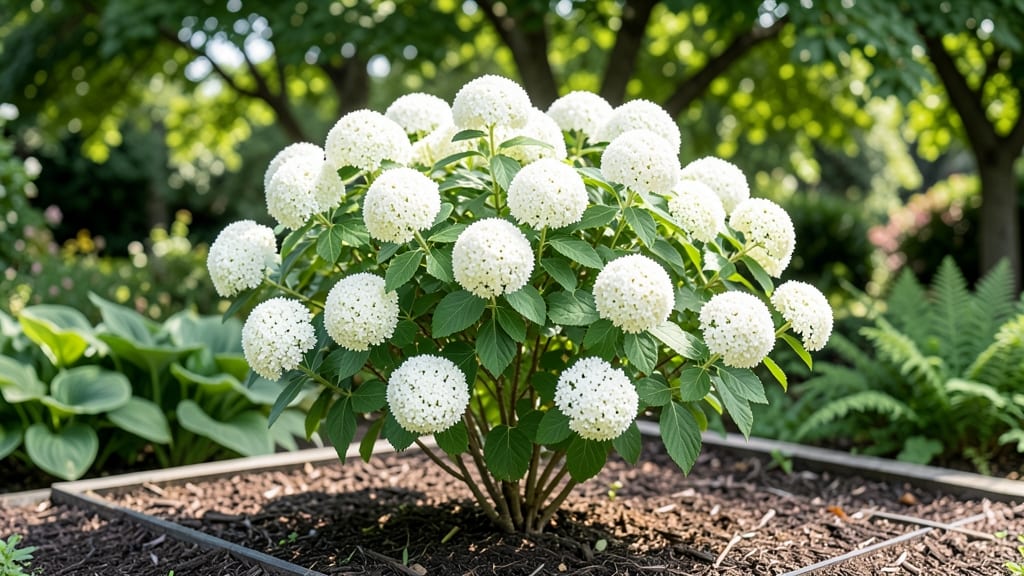
That miniature snowball bush could be the game-changer for your small garden’s privacy—without stealing your yard. 🌿 I’ve watched mine transform a narrow border into a lush, snow-white curtain that stays stunning from spring through winter, even when the flowers fade.
The secret lies in its compact size (3–5 feet tall) and those iconic pom-pom blooms that look like they’re dusted with frost. It thrives in tight spaces—think containers, foundation plantings, or between sidewalk and street—where bigger shrubs would flop.
Pair it with dwarf boxwoods for structure or heucheras for color contrast, and you’ve got a low-maintenance combo that’s impossible to mess up. Pruning is simple: just trim back leggy stems in early spring, and the bush rewards you with denser growth and more of those dreamy flower clusters.
By summer, your border will feel like a secret garden, all thanks to that year-round structure—even when the blooms are gone, the glossy foliage and occasional red berries keep it interesting. The best part?
It handles shade better than most shrubs, so it’s perfect for those tricky spots where sunlight is scarce. For small gardens, this is the ultimate multi-season player. Let’s make your space feel bigger with less fuss!
📚 In This Guide
- What you need
- Instructions
- Tips and common mistakes
- Wrapping up and next steps
What you need
- ● Miniature snowball bush (Viburnum bodnantense ‘Dawn’ or similar): 1-3 plants (depending on desired density). Choose healthy, container-grown specimens for easier transplanting.
- ● Well-draining potting mix or garden soil: 5+ gallons (for containers) or amended native soil (for in-ground planting). Mix in compost (1 part compost to 3 parts soil) for nutrient-rich growth.
- ● Organic mulch: 2-3 inches (e.g., shredded bark or pine needles) to retain moisture and suppress weeds.
- ● Slow-release fertilizer: 10-10-10 or balanced organic option (e.g., fish emulsion) for planting and mid-season feeding.
- ● Garden trowel or spade: For digging holes (12–18 inches wide/deep for each plant).
- ○ Pruning shears: Bypass pruners (sharp, clean) for shaping and deadheading. Optional: Loppers for thicker stems.
- ● Gloves: Heavy-duty work gloves to protect hands from thorns (some varieties have mild spines!).
- ● Watering can or hose with nozzle: For gentle, deep watering (1–1.5 gallons per plant initially).
- ● Container (if not planting in-ground): 15–20 gallon pot with drainage holes (for dwarf varieties).
- ● Stakes or plant ties: 2–3 stakes per plant to support young shrubs in windy areas.
- ● Sunlight: Partial shade to full sun (4–6 hours of direct light daily). Avoid harsh afternoon sun in hot climates.
- ● Hardiness zone: 5–9 (check your local zone for best results!).
- ● Spacing: 3–5 feet apart (closer for denser hedges, wider for air circulation).
- ● Water access: Regular watering (1–2 times weekly) for the first year until established.
- ● Pruning timing: Late winter/early spring (before new growth) for shaping, and after flowering to maintain form.
Step-by-step guide to planting and caring for miniature snowball bushes
Transform your small garden with these charming shrubs that deliver year-round beauty and privacy.
🌱 Step 1: Choose the Perfect Planting Location
Miniature snowball bushes thrive in full sun to partial shade, with at least 4-6 hours of direct sunlight daily. Look for a spot where they’ll receive morning sun and afternoon shade if you live in a hot climate. These plants grow 4-6 feet tall and wide, so space them 3-5 feet apart for a lush, continuous screen.
I always check the soil drainage before planting. These shrubs hate soggy roots, so if your yard has heavy clay, amend the soil with 2-3 inches of compost to improve aeration. Dig a hole twice as wide as the root ball but only as deep—planting too deep can suffocate the roots and cause stress.
🪴 Step 2: Plant with Care for Strong Root Establishment
Gently remove the shrub from its container and loosen the roots if they’re circling. Place it in the hole so the top of the root ball sits 1 inch below soil level—this prevents the stem from rotting over time. Backfill with native soil, tamping lightly as you go to eliminate air pockets.
Water deeply right after planting to settle the soil and encourage root contact. You’ll see the soil sink slightly as it absorbs moisture—this is normal. Mulch around the base with 2-3 inches of organic mulch (like shredded bark) to retain moisture and suppress weeds, but keep the mulch 3 inches away from the trunk to prevent rot.
☀️ Step 3: Maintain Year-Round Beauty with Pruning and Watering
Water newly planted shrubs once a week for the first month, then taper to every 2 weeks once established. These bushes are drought-tolerant once rooted, but they’ll reward consistent moisture with lush foliage and abundant blooms. You’ll know they’re thirsty when the leaves start curling at the edges.
Prune in late winter or early spring before new growth begins. Cut back any dead or crossing branches first, then shape the shrub by trimming back 1/3 of the previous year’s growth. This keeps the bush compact and encourages those signature snowball-like blooms. I always sterilize my pruners with rubbing alcohol between cuts to prevent disease spread.
✂️ Step 4: Encourage Blooms and Prevent Common Issues
Fertilize in early spring with a balanced, slow-release fertilizer (like 10-10-10) to support new growth. Avoid high-nitrogen fertilizers—they’ll give you lots of leaves but few flowers. After blooming, feed again in mid-summer with a low-nitrogen, high-phosphorus formula to promote next year’s flowers.
Watch for spider mites or aphids, which love these shrubs. I spray with a strong stream of water to dislodge pests, and for stubborn infestations, I use neem oil—it’s gentle on plants but tough on bugs. If you see powdery mildew (a white, powdery coating on leaves), improve airflow by pruning more aggressively next year and avoid overhead watering.
🌿 Step 5: Enjoy Year-Round Interest and Plan for Expansion
These bushes offer four seasons of interest: fragrant spring blooms, glossy green foliage in summer, subtle fall color, and even winter structure. In late winter, you can prune for shape or to encourage thicker growth—just avoid heavy pruning after mid-summer, as new growth won’t harden off before frost.
After 3-4 years, your miniature snowball bushes will form a dense, impenetrable screen. If you want to expand, simply plant new shrubs along the perimeter—just remember to space them 3-5 feet apart for that seamless look. Over time, you’ll create a lush, living privacy barrier that’s far more charming than any fence!
Tips & tricks for perfect miniature snowball bush planting
These little-known strategies will help you grow a thriving privacy screen that's both beautiful and resilient.
Sunlight Strategy: Pay close attention to that 4-6 hours of sunlight requirement—morning sun is ideal because it prevents afternoon heat stress in hot climates. I've found that placing bushes where they receive morning sunlight and afternoon shade creates the perfect balance for consistent blooming. If you're unsure about your yard's sun exposure, observe the area for a week before planting to track sunlight patterns.
Soil Prep Secret: The 2-3 inches of compost recommendation is non-negotiable for heavy clay soils. I've seen miniature snowball bushes struggle in compacted soil, so don't skip this step even if your soil looks fine. For extra insurance, mix in some perlite or coarse sand to improve drainage—this prevents those dreaded soggy roots that can kill your bushes over time.
Planting Depth Caution: That 1-inch below soil level positioning is critical for healthy growth. I've made the mistake of planting too shallow, which exposes the stem and leads to rot, and too deep, which suffocates the roots. Use a level or stick to mark the correct depth before planting—this simple trick saves hours of troubleshooting later.
Mulching Mastery: The 2-3 inches of organic mulch around your bushes does more than just suppress weeds—it regulates soil temperature and retains moisture. I always use shredded bark because it breaks down slowly, but pine straw works too. Remember to keep that mulch 3 inches away from the trunk to prevent rot, which is a common issue I see with new gardeners.
Pro Tips for Miniature Snowball Bush
- These little-known strategies will help you grow a thriving privacy screen that's both beautiful and resilient.
- Sunlight Strategy: Pay close attention to that 4-6 hours of sunlight requirement—morning sun is ideal because it prevents afternoon heat stress in hot climates.
- Soil Prep Secret: The 2-3 inches of compost recommendation is non-negotiable for heavy clay soils.
Frequently asked questions
Got questions about growing and maintaining your miniature snowball bush? You’re in the right place! Here are some of the most common queries—plus straightforward answers to help you keep your compact privacy screen thriving year after year.
How fast does a miniature snowball bush grow?
A Viburnum bodnantense (miniature snowball bush) typically grows 12–24 inches per year, reaching maturity (6–8 feet tall) in about 5–7 years. If you’re after quick privacy, pair it with faster-growing shrubs like Ilex or Buxus for a layered effect. Prune lightly in late winter to encourage denser growth.
Does it lose leaves in winter?
Yes! This deciduous shrub sheds its leaves in fall but stays evergreen-looking thanks to its stunning winter blooms (tiny white flowers in clusters). For year-round interest, plant it near evergreens like Picea or Juniperus to bridge the seasonal gap. Mulch heavily in cold climates to protect roots.
When and how should I prune it?
Prune right after flowering (late winter/early spring) to shape the bush and remove dead wood. Avoid heavy pruning—this shrub blooms on old wood, so trimming too aggressively can reduce flowers. Use clean, sharp shears and sterilize tools between cuts to prevent disease. Pro tip: Thin out crowded branches to improve airflow!
Can I grow a miniature snowball bush in a container?
This shrub adapts well to 15–20 gallon containers with drainage holes. Use a well-draining potting mix (like 60% soil, 30% perlite, 10% compost) and repot every 2–3 years. Place it in partial shade (morning sun, afternoon shade) and water when the top inch of soil is dry. Dwarf varieties like Viburnum bodnantense ‘Dawn’ are ideal for pots!
What pests or diseases should I watch for?
Miniature snowball bushes are generally low-maintenance, but keep an eye out for:
- Aphids: Spray with soapy water if clusters appear on new growth.
- Powdery mildew: Improve airflow by pruning and avoid overhead watering.
- Spider mites: Hose down leaves in dry spells to deter them.
How much sun does it need?
This shrub thrives in partial shade (4–6 hours of sun daily). Too much direct sun can scorch leaves, while full shade may reduce flowering. In hot climates, morning sun + afternoon shade is perfect. Test your spot: If it’s sunny but has nearby trees for dappled light, it’s ideal!
Wrapping up and next steps
The miniature snowball bush is a game-changer for small gardens, offering year-round privacy in a compact, low-maintenance package. With its easy pruning and adaptable growth, it’s perfect for adding charm and functionality without sacrificing space. Whether you’re a seasoned gardener or just starting out, this little powerhouse delivers big results!
Ready to transform your space? Grab your tools, pick a sunny spot, and give your miniature snowball bush the care it deserves. Watch it thrive—and enjoy the cozy, lush privacy it brings all year long! 🌿✨