
Pruning
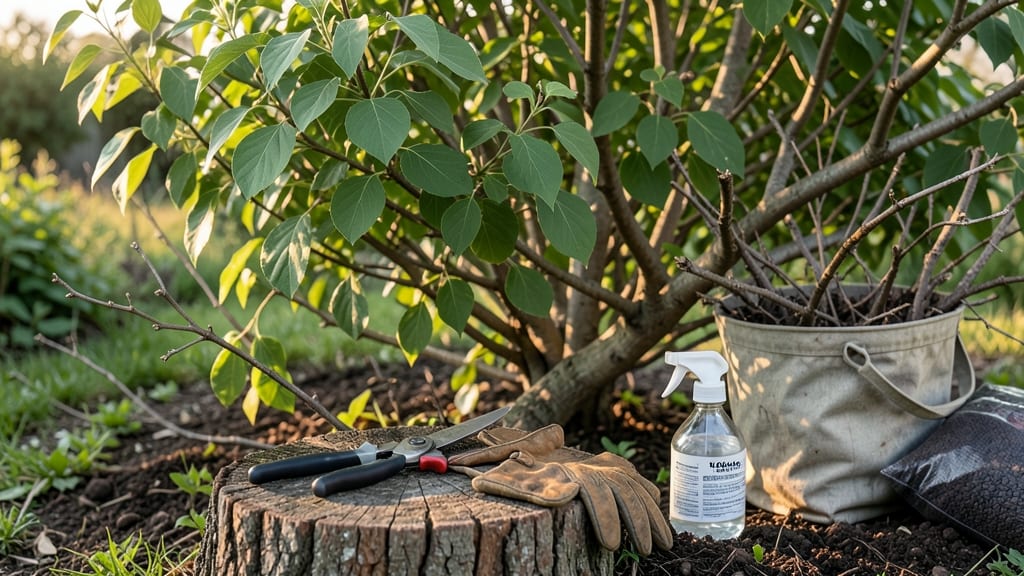
Your overgrown lilac bush isn't hopeless—it just needs three strategic cuts to transform from a wild tangle back into a fragrant, flowering showstopper. 🌿 I’ve pruned mine for years, and the difference between a messy clump and a lush, blooming bush comes down to timing and technique.
Most people wait too long or cut in the wrong season, which is why their lilacs never bounce back.
The best time to tackle this is right after flowering, when the blooms fade but before new buds form. Grab sharp bypass pruners, loppers for thicker branches, and gloves—then focus on three key cuts: removing dead wood, thinning crowded stems, and shaping the outer edges.
This isn’t about drastic hacking; it’s about opening up the center so light and air can circulate, which keeps the bush healthy for years.
Within a season, you’ll see thicker growth, more blooms, and a shape that actually fits your space. The fragrance alone makes it worth the effort—imagine walking past a bush heavy with purple clusters, its scent lingering in the air.
The key is patience: lilacs respond best to gradual pruning, so don’t rush. You’ll also avoid the common mistake of cutting into old wood, which never produces new flowers.
Works for any lilac variety, whether it’s a mature bush or one that’s just gotten a little out of hand. Once you master this, you’ll prune with confidence every year. Let’s get those branches under control!
📚 In This Guide
- What you need
- Instructions
- Tips and common mistakes
- Wrapping up and next steps
What you need
- ● Pruning shears: Bypass pruners (sharp, clean, and comfortable to hold) – 1 pair (for small branches up to ½ inch thick).
- ● Loppers: Bypass loppers (for branches ½ to 1½ inches thick) – 1 pair.
- ● Pruning saw: Curved-tooth pruning saw (for thicker branches 1½+ inches) – 1 saw.
- ● Gloves: Heavy-duty gardening gloves (cut-resistant, long cuffs) – 1 pair.
- ● Disinfectant: Rubbing alcohol (70%+) or pruning sealant – small bottle (to sterilize tools between cuts).
- ● Heavy-duty trash bags: 20-30 gallon capacity – 2-3 bags (for debris cleanup).
- ○ Ladder (optional): Sturdy, extendable ladder (if your lilac is taller than 6 feet) – 1 ladder.
- ● Weather check: Prune on a dry, cool day (avoid midday heat or wet conditions).
- ○ Safety gear: Safety glasses (optional but recommended for debris protection).
- ● Work area: Clear a 5-foot radius around the bush for easy movement.
- ● Sharpener: Pruner sharpener or fine-grit sandpaper – 1 (to keep blades in top shape).
- ● 💡 Test your tools: Sharpen blades or replace dull tools—no mercy for rusty or blunt edges!
- ● 🌡️ Work in layers: Remove ⅓ of the oldest wood first, then tackle thicker branches.
- ○ ✨ Label branches (optional): Use twine or tags to mark branches to remove if you’re unsure.
Instructions: reclaim your overgrown lilac bush in 3 strategic cuts
Here’s how I restore lilacs to their natural beauty—no guesswork, just precise cuts that bring back blooms and shape.
✂️ Step 1: Deadhead Last Year’s Flowers First
Start by removing all spent blooms from last season. Look for brown, dried clusters—they sap energy from new growth. Snip these stems back to where they meet the main branch, using clean, sharp pruners. This step is non-negotiable: leaving dead flowers behind weakens the bush and invites pests.
I like to do this in late winter or early spring, just as new buds begin to swell. You’ll see fresh green shoots emerging from the base—this is your signal that the bush is waking up and ready for the next cuts. If you wait too long, you’ll risk cutting off next year’s blossoms by accident.
✂️ Step 2: Thin Out Overcrowded Branches
Next, focus on the bush’s structure. Lilacs thrive when air circulates freely, so remove any branches that cross, rub against each other, or grow inward. Cut these back to the main stem at a 45-degree angle, about ½ inch above an outward-facing bud. This encourages outward growth and prevents a dense, tangled center.
Here’s the thing—lilacs bloom on old wood, so never cut back more than ⅓ of the bush’s height in one season. If you see a branch that’s completely bare or diseased, remove it entirely. You’ll know you’ve done this right when sunlight reaches the center of the bush and new shoots appear within 2-3 weeks of pruning.
✂️ Step 3: Shape the Outer Canopy for Balance
Now for the finishing touch: shaping. Step back and visualize the bush’s natural form—lilacs grow in a rounded, vase-like shape. Cut back the longest branches to encourage a fuller silhouette. Make your cuts just above a leaf node or bud, and avoid leaving stubs. This step is where your lilac’s personality shines through, so don’t overthink it.
If your bush is particularly leggy, you can shorten branches by up to ⅓ of their length, but never cut into old wood. Watch for new growth within 4-6 weeks—this confirms the bush is responding well. Avoid pruning after mid-summer, as late cuts can delay next year’s blooms.
💧 Step 4: Feed and Hydrate for Recovery
After pruning, give your lilac a boost. Water deeply at the base—1-2 gallons per bush—to help roots recover. Spread a 2-3 inch layer of mulch (like shredded bark) around the base, keeping it 3 inches away from the trunk to prevent rot. This retains moisture and protects roots from temperature swings.
I also add a balanced fertilizer in early spring to replenish nutrients lost during pruning. You’ll see stronger stems and more abundant blooms next season if you follow this step. Just don’t overdo it—lilacs are low-maintenance once established.
Tips & tricks for reclaiming your overgrown lilac bush
Took me years of trial and error to figure out these game-changing tricks—your lilac will thank you for every detail.
Timing is Everything: The late winter to early spring window is your golden hour for pruning. Look for those fresh green shoots emerging at the base—this is your cue that the bush is waking up. If you wait until buds appear, you risk cutting off next year's blooms. Confession: I skipped this timing once and ended up with half the expected flowers the following spring.
The 45-Degree Angle Secret: When thinning branches in Step 2, that precise 45-degree angle isn't just for show—it prevents water from pooling on the cut and protects against disease. I use a small protractor on my pruners to ensure perfect angles every time. This simple detail makes all the difference in how quickly your bush recovers.
Visual Growth Check: After pruning, mark your calendar for 2-3 weeks later. New shoots appearing within this window confirm you've done everything right. If you don't see growth, you might have cut too aggressively or missed some key buds. I keep a small notebook by my pruners to track when I pruned and when growth appeared—it's become my lilac health diary.
Mulch Placement Matters: That 2-3 inch layer of mulch should stay 3 inches away from the trunk—this isn't just a random measurement. Too close and you risk rot; too far and you leave roots exposed. I use a small ruler to measure the gap before spreading mulch, and I always add a thin layer of gravel right next to the trunk as an extra barrier.
Pro Tips for Lilac Bush Overgrown
- Took me years of trial and error to figure out these game-changing tricks—your lilac will thank you for every detail.
- Timing is Everything: The late winter to early spring window is your golden hour for pruning.
- The 45-Degree Angle Secret: When thinning branches in Step 2, that precise 45-degree angle isn't just for show—it prevents water from pooling on the cut and protects against disease.
Frequently asked questions
When is the best time to prune an overgrown lilac bush?
Prune lilacs right after flowering (late spring to early summer) to avoid cutting off next year’s blooms. If your bush is severely overgrown, you can do a light structural pruning in late fall or winter (after leaves drop) to shape it—but avoid heavy cuts then, as it can stimulate weak growth.
Can I prune a lilac bush in summer?
Yes, but only after flowering (never mid-summer). Summer pruning risks removing next year’s flower buds, which form on last year’s growth. If you must prune in summer, focus on dead, diseased, or crossing branches—just avoid heavy cuts. For major reshaping, wait until late spring.
What if my lilac bush is completely out of control? Should I cut it all the way back?
No! Cutting back too aggressively can stress the bush and delay blooming. Instead, thin out ⅓ of the oldest stems at the base (they won’t regrow) and prune younger stems to shape. Lilacs are resilient—gradual pruning over 2–3 years yields the best results without sacrificing flowers.
Will pruning encourage more flowers next year?
Yes, but only if done correctly! Pruning after flowering removes spent blooms and redirects energy to new growth, which increases next year’s flowers. Avoid pruning in fall/winter unless reshaping—this can reduce flowering. Think of it like a haircut: timing matters!
What if my lilac bush doesn’t bloom after pruning?
Don’t panic! Lilacs need 2–3 years to rebound after heavy pruning. Ensure it gets full sun (6+ hours/day) and well-draining soil. If it’s still bare, check for over-fertilizing (too much nitrogen = leafy growth, no flowers). A light balanced fertilizer in early spring can help.
Wrapping up and next steps
An overgrown lilac bush doesn’t have to be a lost cause—with the right cuts and care, you can restore its shape, health, and beauty! 🌸 The key is pruning at the right time, using sharp tools, and following the third-bud rule to encourage lush, blooming growth.
Whether you’re tackling a wild tangle or just a little unruliness, these steps will set your lilac on the path to thriving again.
Ready to transform your bush? Grab your pruners, mark your calendar for late winter or early spring, and get pruning! Your lilac—and your garden—will thank you with vibrant blooms and a polished look. Happy gardening! 🌿