
Pruning
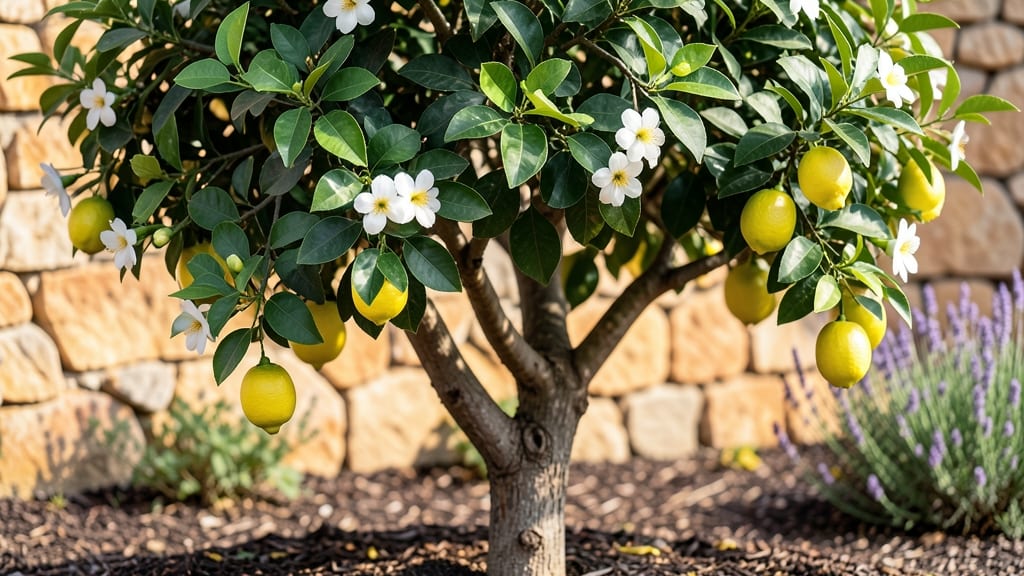
Lemon bush care thrives when it gets at least 6 hours of sunlight daily—the more, the better for those fragrant blooms. 🌞 I’ve watched mine go from scraggly to lush by simply moving it to a sunnier spot after a few lackluster summers. The key isn’t just sunlight, though; it’s pairing it with the right soil and water balance to keep those glossy leaves and sweet lemons coming.
Start with well-draining soil—lemon bushes hate soggy roots—and water deeply once a week, letting the top inch dry out between sessions. Overwatering is the fastest way to kill a lemon bush, so check the soil before reaching for the hose.
A 5-gallon pot works for young plants, but mature bushes need room to stretch their branches—think 10+ gallons or a ground planting in warmer climates.
Pruning isn’t just about shaping; it’s about encouraging fruit production. Cut back dead or crossing branches in late winter, and trim lightly after harvest to keep the bush airy.
Feed it with citrus-specific fertilizer every 6-8 weeks during growing season, and you’ll see new growth—and lemons—within months. The first harvest is always the sweetest reward.
Even in colder zones, lemon bushes can thrive with winter protection—just move potted plants indoors or wrap the trunk. Pests like spider mites love dry conditions, so mist leaves occasionally or spray with neem oil if you spot them.
With these basics, your lemon bush will reward you with years of fragrant blooms and zesty fruit—no green thumb required.
📚 In This Guide
- What you need
- Instructions
- Tips and common mistakes
- Wrapping up and next steps
What you need
- ● Lemon bush (Citrus × limon) – Choose between a dwarf variety (3–6 ft) or standard (8–15 ft), depending on space.
- ● Well-draining potting mix – A blend of 60% peat or coco coir, 30% perlite/sand, and 10% compost (for containers). For in-ground planting, amend soil with organic matter (e.g., compost or aged manure).
- ● Pruning shears – Sharp, sterilized bypass pruners (avoid anvil types to prevent crushing stems).
- ● Gloves – Heavy-duty gardening gloves to protect from thorns and sap.
- ● Watering can or hose – With a gentle spray nozzle for hydration without damaging leaves.
- ● Fertilizer – Citrus-specific fertilizer (e.g., 6-6-6 NPK ratio) or balanced organic options like fish emulsion.
- ● Mulch – Organic mulch (e.g., straw, wood chips) to retain moisture and suppress weeds.
- ● Support stakes or trellis – For dwarf varieties, use 3–4 ft bamboo stakes or a lightweight trellis.
- ● Slow-release fertilizer pellets – For convenience (apply 2–3 times/year).
- ● pH test kit – To monitor soil acidity (ideal range: 6.0–7.0).
- ● Fungicide (copper-based) – For prevention of citrus canker or root rot.
- ● Drip irrigation system – Automates watering for consistent moisture.
- ○ Pruning sealant – Optional for sealing large cuts (though lemon bushes heal well without it).
Step-by-step instructions for lemon bush care
Here's how to coax vibrant growth from your lemon bush—sunlight, pruning, and a few key tricks make all the difference.
☀️ Step 1: Position for Maximum Sunlight
Lemon bushes thrive in full sun—at least 6-8 hours daily—so choose a south- or west-facing spot. If growing in containers, rotate the pot quarter-turn weekly to prevent lopsided growth toward the light. You'll notice new leaves forming on the sunniest side first, signaling the plant is happy.
In cooler climates, provide partial afternoon shade during summer to prevent leaf scorch. Watch for yellowing leaves on one side—this means the plant is stretching toward light. Move it closer to the window or supplement with a grow light if indoors.
💧 Step 2: Water Deeply but Sparingly
Water when the top 2 inches of soil feel dry—this prevents root rot while encouraging deep root growth. Soak thoroughly until water drains from the bottom, then let excess drain away. Overwatering is the #1 killer of lemon bushes, so resist the urge to water on a schedule.
In containers, check soil moisture daily during hot weather—potted plants dry out faster. You'll know you've nailed the balance when leaves stay deep green and stems feel firm to the touch. Wilting or crispy edges mean you've missed the sweet spot.
✂️ Step 3: Prune for Shape and Fruit Production
Prune in late winter or early spring before new growth begins. Remove dead, diseased, or crossing branches first—these compete for energy. Cut just above an outward-facing leaf bud to encourage bushier growth. I always sterilize my pruners with rubbing alcohol between cuts to prevent bacterial spread.
Shape the bush into an open vase form by trimming back overly long branches to 1/3 their length. This improves airflow and sunlight penetration, which reduces fungal diseases. You'll see new shoots forming within 2-3 weeks—these are your future fruiting branches.
🌿 Step 4: Fertilize for Optimal Growth
Feed with a balanced citrus fertilizer (6-6-6 or 8-3-9 ratio) every 4-6 weeks during growing season. Mix according to package instructions and apply to moist soil to prevent root burn. Organic options like fish emulsion or compost tea work well too—just dilute to half-strength for young plants.
Watch for slow growth or yellow leaves after fertilizing—this often means you've overdone it. Flush the soil with water if you suspect buildup. For mature bushes, a slow-release fertilizer in early spring provides steady nutrition without risk of overfeeding.
⏰ Step 5: Protect from Pests and Cold
Inspect leaves weekly for scale insects, spider mites, or aphids—common pests that suck plant sap. Blast off infestations with a strong spray of water or treat with neem oil (mix 1 tsp per quart of water). I apply neem oil in the early evening to avoid harming beneficial insects.
In frost-prone areas, move potted bushes indoors before temperatures drop below 40°F. If outdoors, cover with frost cloth and water the soil before sunset to retain warmth. You'll know the plant is stressed if leaves darken or drop—act fast to protect it.
Tips & tricks for perfect lemon bush care
These sunlight-loving secrets will transform your lemon bush from struggling to spectacular—trust me, I've seen the difference firsthand.
Light Strategy: For container-grown lemon bushes, I swear by the "quarter-turn rule" every week—it prevents that sad, lopsided growth where the plant stretches desperately toward the light. In cooler climates, watch for those telltale yellow leaves on one side; that's your plant screaming for better positioning. A simple grow light on a timer can work wonders for indoor growers during winter months when sunlight is scarce.
Watering Wisdom: The "top 2 inches" rule is your golden standard, but here's what nobody tells you: use a moisture meter for containers—those dry out faster than you'd think. I've ruined three lemon bushes by overwatering, and the lesson? Let that excess water drain completely. Your plant's roots need air as much as water, and soggy soil is a one-way ticket to root rot city.
Pruning Precision: When shaping your bush into that open vase form, trim those long branches back to exactly one-third their length—no more, no less. This isn't just about looks; it's about creating that perfect airflow that keeps fungal diseases at bay. And here's my secret weapon: I always sterilize my pruners with rubbing alcohol between cuts. It takes 10 seconds but prevents bacterial spread that could ruin your hard work.
Fertilizer Finesse: That 4-6 week feeding schedule is perfect, but timing matters more than you'd think. I feed mine right after a good watering when the soil is moist—this prevents root burn. And if you see those yellow leaves after fertilizing, don't panic: a good flush with water usually brings things back to normal. For organic growers, compost tea is my go-to because it feeds the soil ecosystem, not just the plant.
Pro Tips for Lemon Bush Care
- These sunlight-loving secrets will transform your lemon bush from struggling to spectacular—trust me, I've seen the difference firsthand.
- Light Strategy: For container-grown lemon bushes, I swear by the "quarter-turn rule" every week—it prevents that sad, lopsided growth where the plant stretches desperately toward the light.
- Watering Wisdom: The "top 2 inches" rule is your golden standard, but here's what nobody tells you: use a moisture meter for containers—those dry out faster than you'd think.
Frequently asked questions
Got questions about keeping your lemon bush thriving? You’re not alone—here are answers to the most common concerns from gardeners like you!
How much sunlight does a lemon bush really need?
A lemon bush craves full sun—at least 6 to 8 hours daily. While it can tolerate partial shade (especially in scorching climates), fruiting and growth slow down. Place it where it gets morning sun and afternoon shade if temperatures exceed 90°F (32°C).
When should I prune my lemon bush for best results?
Prune twice a year: late winter/early spring (before new growth) to shape the bush and remove dead wood, and summer (after harvest) to encourage airflow and fruiting. Avoid heavy pruning in fall—it can stress the plant before winter.
Why aren’t my lemon bush leaves turning yellow?
Yellow leaves usually signal overwatering or nutrient deficiency. Check soil moisture—it should dry slightly between waterings. Test soil pH (ideal: 6.0–7.0) and fertilize with citrus-specific food (high in nitrogen, phosphorus, and potassium). Yellowing edges? It could be salt buildup from tap water—use rainwater or filtered water instead.
Can I grow a lemon bush indoors, and what’s the trick?
Yes! Place it near a south-facing window (or use grow lights for 12+ hours/day). Use a well-draining pot (15+ gallons for mature plants) and mimic outdoor conditions: humidity tray, occasional outdoor time in warm months, and consistent watering (let soil dry 1–2 inches between waterings).
What pests should I watch for, and how do I treat them?
Common culprits include scale insects, aphids, and spider mites. For mild infestations, spray with neem oil or insecticidal soap. Severe cases? Try horticultural oil or introduce beneficial insects like ladybugs. Always check undersides of leaves—pests love hiding there!
Wrapping up and next steps
Caring for your lemon bush is a rewarding journey that yields delicious and fragrant results with the right balance of sunlight, pruning, and love! 🌿 By mastering the art of pruning, ensuring proper watering, and keeping pests at bay, you’ll enjoy a thriving plant that keeps producing sweet lemons for years.
Now that you’re armed with these sunlight-loving secrets, it’s time to roll up your sleeves and give your lemon bush the attention it deserves.
Ready to take the next step? Start by scheduling your first pruning session—whether it’s shaping your bush for better airflow or encouraging new growth. Watch as your lemon bush flourishes, and soon, you’ll be harvesting lemons straight from your own backyard! 🍋✨