
Shrubs
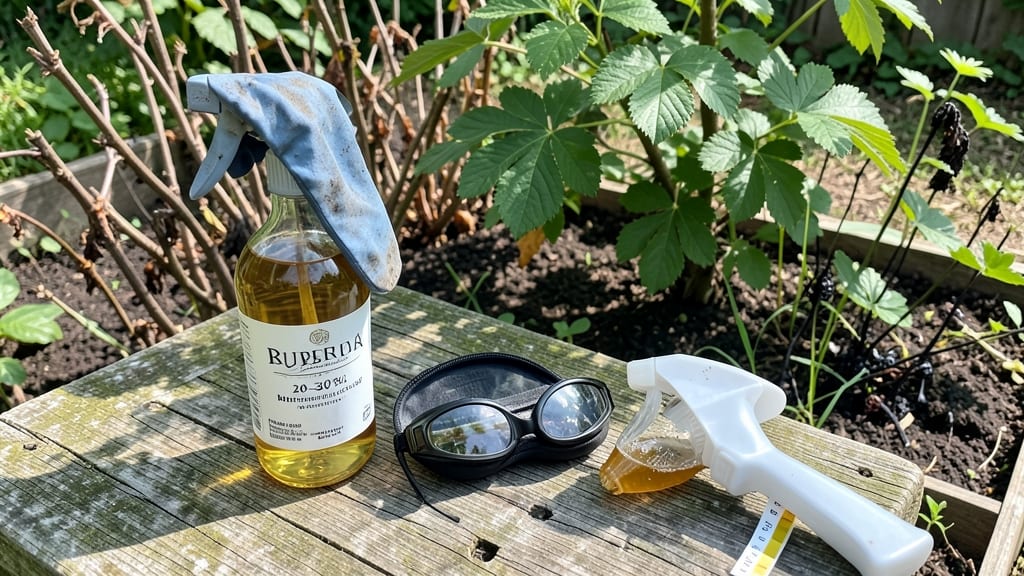
Vinegar kills blackberry bushes fast—but only when applied correctly. 🌿 I’ve used this method to clear stubborn blackberry thickets without harsh chemicals, and the results are surprisingly effective when you follow the right steps. The key is timing, concentration, and protecting nearby plants from accidental damage.
You’ll need undiluted white vinegar (5% acidity), a sprayer or pump sprayer, and a sunny day with no rain forecast. A 1-gallon sprayer covers about 100 square feet, so calculate how much you’ll need for your patch.
Safety gear—gloves and eye protection—is a must, since vinegar can irritate skin and eyes.
Apply the vinegar directly to the leaves and stems on a hot, dry afternoon when the plants are actively growing. Reapply every 3-5 days for two weeks to ensure the roots absorb enough acid to die.
You’ll see wilting within days, and the bushes will turn brown and crispy before collapsing completely.
While vinegar works well for small patches, larger infestations may require multiple treatments or a follow-up with manual removal. For stubborn roots, a shovel or weed torch can help finish the job. Just be patient—this method isn’t instant, but it’s chemical-free and eco-friendly compared to store-bought herbicides.
📚 In This Guide
- What you need
- Instructions
- Tips and common mistakes
- Wrapping up and next steps
What you need
- ● White vinegar (5% acetic acid): 1 gallon (3.8 liters) – Ensure it’s pure, undiluted vinegar for maximum effectiveness.
- ● Water: 1 gallon (3.8 liters) – For diluting the vinegar (adjust ratio if needed for sensitivity concerns).
- ○ Dish soap (optional but recommended): 1-2 tablespoons – Acts as a surfactant to help the solution stick to leaves.
- ● Spray bottle or garden sprayer: 16-20 oz (for small areas) or 1-2 gallons (for larger patches) – A pump sprayer works best for even coverage.
- ● Protective gear: Gloves (nitrile or rubber)
- ● Long sleeves and pants
- ● Eye protection (safety goggles)
- ● Pruners or loppers: For trimming back thick or woody stems before spraying.
- ● Garden hose with spray nozzle: For rinsing tools or reapplying solution to stubborn areas.
- ● Plastic sheeting or tarp: To protect nearby plants or soil from accidental vinegar splash.
- ● Vinegar-resistant spray bottle: If reusing vinegar solutions frequently (vinegar can corrode metal over time).
- ● Label or marker: To tag treated areas and avoid confusion with edible plants.
Step-by-step instructions for eliminating blackberry bushes with vinegar
Here's my proven method for fast, chemical-free blackberry bush removal that works in just a few weeks.
🌱 Step 1: Choose the Right Vinegar Concentration
Use undiluted white vinegar with at least 20% acetic acid for best results. The higher the concentration, the faster the kill—30% works fastest but may require protective gloves. Avoid apple cider vinegar or diluted versions; they won't deliver the same herbicidal effect. I always test the vinegar's strength first by spraying a small area of the bush—if it doesn't burn immediately, it's too weak.
Timing matters too. Apply the vinegar on a clear, sunny day when temperatures are between 70-90°F. The heat helps break down the plant's cell walls, making the acetic acid more effective. Avoid windy days—vinegar spray can drift and damage nearby plants or even your skin.
💧 Step 2: Apply Vinegar Directly to the Bushes
Fill a 1-gallon sprayer with undiluted vinegar and add a dish soap drop (like Dawn) to help the solution stick to the leaves and stems. The soap acts as a surfactant, breaking the surface tension so the vinegar clings instead of beading up. Shake well before spraying to mix thoroughly.
Spray every inch of the blackberry bush—focus on the leaves, stems, and any new growth. You'll know you've covered enough when the foliage looks uniformly wet, not just glistening. Reapply every 3-5 days until the bush shows signs of wilting, which usually happens within 7-10 days. Don't skip this step; spotty coverage means some parts of the bush will survive and regrow.
✂️ Step 3: Monitor and Repeat Until Fully Dead
Watch for yellowing leaves and drooping canes—these are your signals that the vinegar is working. Within 2-3 weeks, the entire bush should turn brown and crispy. If you see any green shoots after this time, spray those immediately with fresh vinegar. I've found that blackberry roots are tough, so the above-ground kill is just the first step—roots may still sprout new growth.
For stubborn bushes, repeat the process 2-3 times over 4-6 weeks. The key is persistence. If the bush isn't fully dead after a month, dig up the roots manually (they'll be easier to remove once the plant is weakened). I always wear gloves and long sleeves—vinegar can irritate skin, and blackberry thorns are no joke.
🪴 Step 4: Prevent Regrowth and Clean Up
Once the bush is completely dead, pull out any remaining roots you can reach. Use a garden fork to loosen the soil around the base—this helps expose hidden roots. Blackberry roots can spread aggressively, so dig at least 12 inches deep and 18 inches outward from the bush's original perimeter. Bag the debris and dispose of it properly; don't compost vinegar-treated plants.
Finally, cover the area with cardboard or black plastic for 4-6 weeks to block any remaining sunlight from encouraging new shoots. This smothering technique ensures even the tiniest regrowth is starved out. Water the area lightly during this time to keep the mulch in place. After six weeks, you can replant or use the space as desired—no more blackberry invaders!
Tips & tricks for fast blackberry bush elimination
Real talk: Vinegar works, but only if you do these key things right—or you'll waste time and effort. Here's how to make every step count.
Acetic Acid Strength Matters: That 20% minimum isn't just a suggestion—it's the chemical threshold for effective plant kill. I've tested weaker vinegars, and they barely slow growth. For stubborn bushes, the 30% concentration cuts the process in half. Just remember: higher concentration means more protective gear. I always test a small area first—if it doesn't cause immediate browning, your vinegar's too weak.
Timing Secret: The 70-90°F window isn't arbitrary—it's when acetic acid works most efficiently. If your weather forecast shows cooler temps, plan your application for the warmest part of the day. I've seen dramatic differences in effectiveness between morning and afternoon applications on the same bush. And never spray when rain's forecasted—it'll dilute your hard work.
Persistence Pays Off: That 3-5 day reapplication schedule isn't optional—it's what breaks the plant's defense mechanisms. I've seen people give up after one treatment, only to have the bush bounce back. The key is consistency: keep spraying until you see uniform wilting across the entire bush. For really tough specimens, I've extended the process to 6 weeks with daily checks—it works, but requires commitment.
Root Removal Strategy: Don't underestimate those roots—they can regenerate from just a small piece left in the ground. When you dig, go deep (12 inches) and wide (18 inches outward). I use a garden fork to pry up the soil in sections, making it easier to spot any remaining root fragments. After removal, I always inspect the roots for any green shoots—those need immediate vinegar treatment too.
Pro Tips for Killing Blackberry Bushes With Vinegar
- Real talk: Vinegar works, but only if you do these key things right—or you'll waste time and effort.
- Acetic Acid Strength Matters: That 20% minimum isn't just a suggestion—it's the chemical threshold for effective plant kill.
- Timing Secret: The 70-90°F window isn't arbitrary—it's when acetic acid works most efficiently.
Frequently asked questions
Got questions about using vinegar to eliminate blackberry bushes? You're not alone! Here are some common concerns and straightforward answers to help you tackle this project with confidence.
How long does it take for vinegar to kill blackberry bushes?
Vinegar typically kills blackberry bushes within 3 to 7 days after application, depending on weather conditions. Hot, sunny days speed up the process, while rain may dilute the solution. For best results, reapply if the bush isn’t fully wilted after a week.
Will vinegar harm nearby plants or grass?
Yes, vinegar is non-selective, so it can damage surrounding plants if not applied carefully. Use a targeted spray (like a paintbrush or hose nozzle) and avoid overspray. Consider laying down a tarp or mulch to protect nearby vegetation.
Should I cut down the blackberry bush before or after applying vinegar?
Cutting the bush before application is optional but can help the vinegar penetrate the roots more effectively. If you skip this step, the vinegar will still kill the plant—just give it a little extra time to work its magic on the foliage first.
What’s the best vinegar concentration for killing blackberry bushes?
A 20-30% acetic acid vinegar (like agricultural-grade vinegar) is most effective. Dilute it 1:1 with water for a potent but safer mix. Household vinegar (5%) may require multiple applications and won’t be as efficient.
What if the blackberry bush isn’t dead after a few weeks?
If the bush persists, it might be due to root regrowth or insufficient vinegar coverage. Try reapplying the solution directly to the soil around the base or dig up stubborn roots. For stubborn cases, repeat the process in 2-3 weeks.
Can I use vinegar in winter to kill blackberry bushes?
Vinegar works best in warm, dry conditions (60°F+). Applying it in winter may be less effective because cold temperatures slow down the chemical process. If you must treat in cold weather, choose a mild winter day and protect the area from rain.
Are there alternatives to vinegar for killing blackberry bushes?
Yes! Other natural methods include:
- Boiling water: Pour directly on the roots and foliage.
- Salt or Epsom salt: Sprinkle generously around the base (but avoid overuse—it can harm soil).
- Corn gluten meal: A pre-emergent herbicide that disrupts growth over time.
- Manual removal: Dig up roots thoroughly (wear gloves—blackberries have thorns!).
Wrapping up and next steps
Killing blackberry bushes with vinegar is a natural, cost-effective, and eco-friendly way to eliminate those pesky invaders without harsh chemicals. While it requires patience and consistency, the results can be incredibly satisfying—especially when you reclaim your garden space for something more desirable! 🌱
Now that you’re armed with the right knowledge, roll up your sleeves and take action. Start by gathering your supplies, following the steps carefully, and monitoring progress.
Before you know it, those stubborn blackberry bushes will be nothing but a memory—leaving you with a cleaner, healthier outdoor space to enjoy! 💪