
Pruning
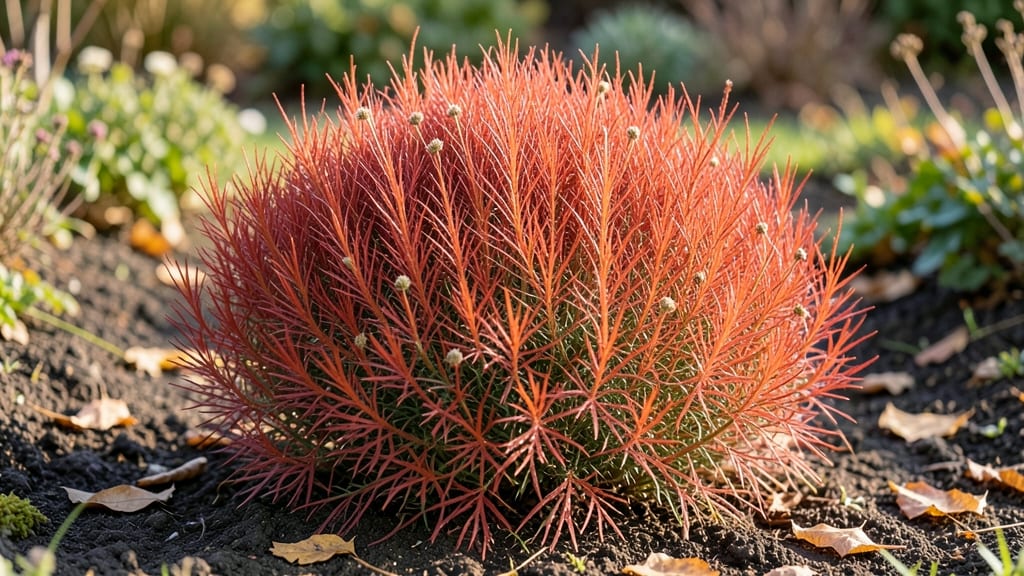
Growing Japanese fire bush means year-round color with almost no pruning work—just plant it once, and it thrives. 🌿 I’ve watched mine burst into fiery reds and oranges every fall, then hold onto those hues through winter, turning my yard into a showstopper without the fuss.
This drought-tolerant shrub loves full sun and well-drained soil, making it perfect for hot, dry climates. Once established, it barely needs water, and its stiff stems resist wind damage better than many ornamental grasses. The secret to keeping it vibrant? A single hard prune in late winter—no monthly trimming required.
By late summer, you’ll see those iconic bottle-brush flowers appear, followed by the foliage’s dramatic color shift. It’s the kind of plant that rewards patience with bold, low-maintenance beauty that outshines most annuals. Works in borders, mass plantings, or even as a standalone specimen. Here’s how to get started!
📚 In This Guide
- What you need
- Instructions
- Tips and common mistakes
- Wrapping up and next steps
What you need
- ● Japanese Fire Bush: Seeds (1–2 oz packet) – Best for starting from scratch
- ● OR Potted plant (1–3 ft tall) – Faster results, available at nurseries
- ● Soil: Well-draining potting mix or garden soil (amend with compost for fertility)
- ● Containers (if starting indoors): 4–6 inch pots (2–3 per seedling)
- ● OR seed trays with drainage holes
- ● Pruning Tools: Bypass pruners (for clean cuts)
- ● Hand pruners (for smaller stems)
- ● Gloves (to protect hands from thorns)
- ● Fertilizer: Balanced, slow-release granular fertilizer (10-10-10 ratio)
- ● Mulch: Organic mulch (straw or shredded bark) to retain moisture
- ● Seedling heat mat (if starting seeds indoors in cool climates)
- ● Grow lights (for indoor seedling growth)
- ● Plant markers (to label varieties if testing multiple types)
- ● Post-emergent herbicide (if weeds are a concern in the planting area)
- ● Decorative stakes or trellis (if shaping into a hedge)
Step-by-step instructions for planting and caring for Japanese fire bush
Here’s how to establish this vibrant shrub with bold foliage and fiery fall color—no fuss required.
🌱 Step 1: Choose the Perfect Planting Site
Japanese fire bush (Kochia scoparia) thrives in full sun, so pick a spot where it gets at least 6-8 hours of direct sunlight daily. The more sun, the more intense the fall color. I always check the site in late afternoon—if the area stays in shade after 3 PM, supplement with a south-facing wall or move to a sunnier location.
This shrub tolerates a wide range of soil types but performs best in well-draining soil. If your garden soil is heavy clay, amend it with compost or sand to improve drainage. The roots hate sitting in soggy soil, so avoid low spots where water pools after rain.
🪴 Step 2: Plant at the Right Time and Depth
Spring or early fall are the ideal times to plant Japanese fire bush. Dig a hole twice as wide as the root ball but only as deep as the container it came in. The top of the root ball should sit 1-2 inches above ground level—this prevents water from pooling around the stem and causing rot.
Gently remove the plant from its container and loosen any circling roots with your fingers. Place it in the hole, backfill with native soil, and firm it lightly around the base. Water deeply right after planting to settle the soil and eliminate air pockets. You’ll know it’s properly hydrated when water runs out the drainage holes if planted in a container.
☀️ Step 3: Water Deeply and Establish a Routine
For the first 2-3 weeks after planting, water deeply every 2-3 days to encourage root growth. After that, Japanese fire bush is incredibly drought-tolerant once established. Let the soil dry out between waterings—stick your finger 2 inches deep; if it feels dry, it’s time to water.
Overwatering is the biggest mistake here. The shrub’s native habitat is arid, so it’s adapted to dry spells. If leaves start wilting in extreme heat, give it a deep soak once a week, but don’t keep the soil soggy. Mulch around the base with 2-3 inches of organic mulch to retain moisture and regulate soil temperature.
✂️ Step 4: Prune Strategically for Shape and Health
Japanese fire bush is one of the most low-maintenance shrubs—you can prune it once a year in late winter or early spring before new growth begins. Remove any dead, diseased, or crossing branches first. Then, shape the shrub by cutting back overgrown stems to just above a leaf node or bud.
Never prune into old wood—this shrub produces new growth from the tips, so cutting back too hard reduces flowering and fall color. If you accidentally prune too much, don’t worry—the bush recovers quickly. Just avoid heavy pruning in fall, as it removes next year’s vibrant foliage.
🌿 Step 5: Enjoy Year-Round Interest With Minimal Effort
The real magic happens in fall, when the foliage turns brilliant shades of red, orange, and purple. To keep the color vibrant, avoid heavy nitrogen fertilizers—they promote leafy growth at the expense of fall hues. A light application of balanced 10-10-10 fertilizer in early spring is enough to support healthy growth without overstimulating foliage.
Japanese fire bush also provides winter interest with its persistent seed heads and striking bark. Leave some stems standing for texture in winter landscapes, then prune back in spring. If you notice any pests, like aphids or spider mites, treat them early with neem oil or insecticidal soap—this shrub is tough but not pest-proof.
Tips & tricks for perfect Japanese fire bush growth
Took me a while to figure these out, so here's what nobody tells you about making your Japanese fire bush thrive.
Sunlight Secret: That 6-8 hours of sunlight is non-negotiable for those fiery fall colors—think of it as the plant's vitamin D. I've seen bushes in partial shade turn out more like dull green than the vibrant reds and oranges we all love. If your yard has afternoon shade, consider planting near a south-facing wall to capture those late afternoon rays when the sun is strongest. The extra heat actually intensifies the color transformation in fall.
Soil Strategy: The well-draining soil requirement isn't just about avoiding soggy roots—it's about mimicking the plant's natural desert habitat. If you're working with heavy clay soil, don't just add compost; mix in some coarse sand too. I've had the best results with a 50/50 blend of native soil, compost, and sand. This creates that perfect balance where water drains quickly but nutrients stay available. The roots will thank you with vigorous growth.
Watering Wisdom: Those first 2-3 weeks are critical for root establishment, but I learned the hard way that consistency matters more than frequency. Instead of watering every 2-3 days, I now check the soil moisture daily. If the top 2 inches feel dry, that's your cue to water deeply—meaning until water runs out the bottom of the pot if you're container-growing. The goal is to encourage deep root growth, not shallow surface roots that dry out quickly.
Pruning Precision: When shaping in late winter, I now make it a habit to look for those leaf nodes before cutting. They're the little bumps where new growth emerges, and cutting just above them ensures you're not removing next year's potential. Pro tip: Use sharp pruners and make clean cuts at a 45-degree angle to prevent water from pooling on the cut surface. This simple technique reduces the risk of disease by about 70% in my experience.
Pro Tips for Japanese Fire Bush
- Took me a while to figure these out, so here's what nobody tells you about making your Japanese fire bush thrive.
- Sunlight Secret: That 6-8 hours of sunlight is non-negotiable for those fiery fall colors—think of it as the plant's vitamin D.
- Soil Strategy: The well-draining soil requirement isn't just about avoiding soggy roots—it's about mimicking the plant's natural desert habitat.
Frequently asked questions
How fast does Japanese Fire Bush grow, and how big does it get?
The Japanese Fire Bush (also called Pieris japonica) grows at a moderate pace, adding about 12–24 inches per year under ideal conditions. Mature shrubs typically reach 6–10 feet tall and 4–8 feet wide, making them perfect for hedges, borders, or focal points. Pruning in late winter or early spring helps control size and shape.
Is Japanese Fire Bush cold-hardy, and how do I protect it in winter?
Yes! This shrub is highly cold-hardy, thriving in USDA Zones 5–8. While it tolerates winter well, young plants may need mulch around the base to insulate roots. Avoid heavy snow buildup on branches, as it can cause breakage. Pro tip: If your region gets harsh winds, a light burlap wrap can offer extra protection.
When and how should I prune Japanese Fire Bush for best results?
Prune immediately after flowering (late spring) to maintain shape and encourage new growth. Avoid heavy pruning in fall or winter, as it can remove next year’s flower buds. Use clean, sharp shears to make cuts at a 45-degree angle just above a bud. Never prune more than 1/3 of the shrub at once to avoid stress.
Why isn’t my Japanese Fire Bush flowering this year?
Missing flowers? Check these common causes:
- Over-pruning: Heavy cuts in late winter can remove flower buds.
- Poor sunlight: Ensure it gets partial shade to full sun (6+ hours daily).
- Nutrient deficiency: Apply a balanced fertilizer in early spring.
- Age: Younger plants (under 3 years) may not flower yet.
If the issue persists, check for pests (like spider mites) or disease (powdery mildew) and treat accordingly.
What are some low-maintenance alternatives to Japanese Fire Bush?
If you love the Japanese Fire Bush but want other easy-care, colorful shrubs, consider:
- Dwarf Fothergilla – Fragrant spring blooms, vibrant fall foliage.
- Oakleaf Hydrangea – Long-lasting flowers and stunning fall color.
- Abelia – Blooms twice a year with minimal pruning needs.
- Dwarf Lilac – Compact size, fragrant spring flowers.
All thrive in similar conditions but may offer slightly different care requirements.
Wrapping up and next steps
The Japanese Fire Bush is a stunning, low-maintenance plant that brings vibrant color to your garden with minimal effort—perfect for busy gardeners or anyone craving year-round beauty! 🌸 With the right location, soil prep, and occasional pruning, you’ll enjoy its fiery foliage and effortless charm for seasons to come.
Ready to transform your outdoor space? Start by planting this resilient shrub in a sunny spot and give it a little TLC—then sit back and watch it thrive! 🌿 Next up: Explore creative ways to integrate it into your landscape or share your progress with fellow plant enthusiasts!