
Shrubs
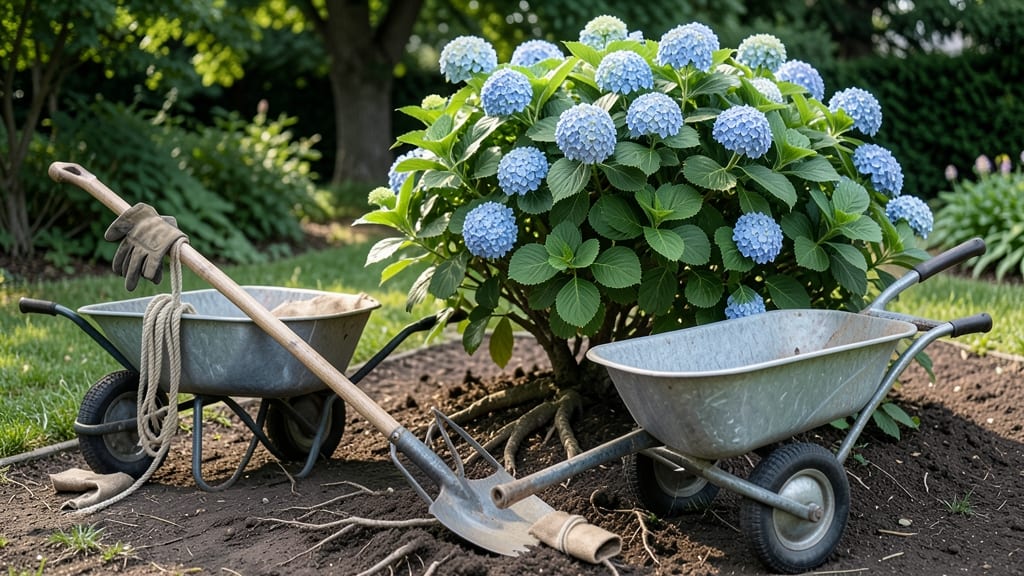
How to pull out bushes without a truck takes more than muscle—it’s about strategy. 🌿 I’ve wrestled out rhododendrons, lilacs, and overgrown privets using just a few tools and a little teamwork, and I’ll show you exactly how to do it safely without hauling debris to the curb. First, you’ll need pruners, a sturdy shovel, a tarp, and gloves (thick ones if your bush is thorny). The key is cutting roots in sections, lifting in chunks, and using a DIY sling (old sheets or straps) to drag them to your compost pile or trash bin. No truck? No problem—just break it into manageable steps. You’ll end up with a clean space, no back strain, and bushes that don’t end up as landfill waste. The secret is patience: take your time, work in stages, and let a friend help with the heavy lifting. (Yes, I’ve learned that the hard way.) Works for any yard size, whether you’re clearing a single bush or a whole hedge. Let’s get started—your garden (and back) will thank you.
📚 In This Guide
- What you need
- Instructions
- Tips and common mistakes
- Wrapping up and next steps
What you need
- ● Heavy-duty sling or tarp (10–15 ft long) – Look for 500+ lb capacity (e.g., nylon webbing or canvas straps).
- ● Sturdy ropes (2–3, 25–30 ft each) – 3/8" to 1/2" diameter, like polyester or nylon.
- ● Shovel (flat-edged or digging) – A 16–18" wide blade works best for loosening roots.
- ● Pruning shears or loppers – For trimming thick branches (bypass blades recommended).
- ○ Wheelbarrow or large tarp – To haul debris (optional but helpful for small loads).
- ● Gloves (heavy-duty work gloves) – Protects hands from thorns and rough edges.
- ● Knee pads or old towels – Saves your knees during digging.
- ● At least 3–4 people – One to guide the bush, others to lift and stabilize.
- ● Communication plan – Use hand signals or a whistle for coordination.
- ● Safety glasses – Shields eyes from flying debris or sap.
- ● First-aid kit – Just in case of scrapes or minor injuries.
- ● Root saw or handsaw – For stubborn, thick roots.
- ● Garden hose with spray nozzle – Wet soil beforehand to reduce resistance.
- ● Portable winch (small, manual) – If bushes are extra heavy (e.g., 200+ lbs).
- ● Tarps or plastic sheeting – To drag bushes across grass (protects landscaping).
Step-by-step instructions for removing bushes without a truck
Here's the no-truck method I swear by—just a few tools, teamwork, and smart technique.
🪴 Step 1: Gather Your Heavy-Duty Tools
You won't need a truck, but you will need a pry bar, shovel, wheelbarrow, and sturdy rope or ratchet straps (at least 3/8-inch thick). I grab a hand truck or dolly too—it’s the difference between struggling and gliding those bushes to your truck later. Skip the cheap rope; it’ll snap when you need it most.
Check your rope’s working load—it should handle at least 500 pounds. I test mine by lifting the bush before strapping it down. If it bends the rope, you’re not ready. Also grab work gloves and knee pads—this job gets messy fast.
✂️ Step 2: Cut and Loosen the Roots
Start by cutting the bush into 4-foot sections with loppers or a pruning saw. Smaller pieces are easier to lift and drag. Then, dig around the base with your shovel, slicing roots 6-12 inches deep in a circular pattern. The goal? Sever the main taproot without leaving a stump—it’ll just regrow.
Here’s the trick: don’t dig straight down. Angle the shovel at 45 degrees to slice roots cleanly. You’ll feel resistance—push through it. Once the bush wobbles, you’re ready for the next step. If it’s still stubborn, go deeper or cut more roots.
💧 Step 3: Lift and Secure the Bush
Gather your team—two people minimum—and position the hand truck under the bush’s base. Lift slowly, pivoting the bush upright so the roots don’t drag. If it’s too heavy, cut it into smaller sections (even if it means more trips). Once upright, wrap the rope snugly around the base, crossing it like an "X" for stability.
Attach the rope to the hand truck or dolly. Never drag by the branches—they’ll snap, and you’ll be left with a broken bush and a headache. Test the lift by pulling gently. If the bush shifts but doesn’t budge, you’ve got it secured. If it slips, tighten the rope or cut more roots.
🪴 Step 4: Drag to Your Vehicle
Line your path with cardboard or a tarp to protect the ground (and your lawn). Have one person guide the hand truck while the other pulls the rope. Move slowly—jerking will break branches or snap the rope. If you hit a bump, stop and adjust before continuing.
At the truck, lower the bush gently into the bed. Stack branches vertically to save space. If it’s too tall, cut it into 3-foot sections—you can trim it later. Pro tip: Use ratchet straps to secure the load so it doesn’t shift while driving.
🌱 Step 5: Clean Up and Prevent Regrowth
After hauling, fill the hole with rocks or gravel to discourage regrowth. Roots left in the ground will sprout new shoots in a few weeks. I also sprinkle cornmeal gluten (a natural pre-emergent) over the area—it’s cheap and effective. Rake it into the soil lightly so it doesn’t wash away.
Dispose of the debris properly—check local regulations for brush disposal. If you’re composting, chop the branches small first to speed decomposition. And if you’re feeling ambitious, mulch the wood chips around your garden beds—they’ll break down into nutrient-rich soil.
Tips & tricks for heavy-duty bush removal without a truck
Real talk: This isn't your average yard work—it's a full-body challenge. Here's how to make the heavy lifting actually manageable.
Equipment Intelligence: That 3/8-inch rope isn't just about thickness—it's about the material. Nylon or polyester rope holds up better than natural fibers when wet. I've learned this the hard way after watching cheap rope fray mid-lift. Test your rope's strength by lifting the bush before strapping it down—if it bends, get a stronger one. For extra security, use two ropes crossed in an "X" pattern rather than one loop.
Cutting Strategy: When you're slicing those 6-12 inch deep roots in Step 2, think of it like pruning—you're not just digging, you're strategically severing. Use your shovel like a saw, making horizontal cuts first to loosen the soil before going vertical. This creates a clean break point where the bush will pivot more easily when you lift. If you hit a particularly stubborn root, switch to your pry bar to wedge it open.
Teamwork Tactics: That two-person minimum isn't just a suggestion—it's a safety requirement. One person should be positioned at the base guiding the hand truck while the other pulls the rope. The puller should give short, controlled tugs rather than yanking. Communication is key: agree on a signal system before you start—like "stop," "go," and "adjust." I once saw a team try to lift without coordination and ended up with a snapped branch and a twisted back.
Transport Hacks: For Step 4, if you don't have a hand truck, a sturdy plastic laundry basket with wheels works in a pinch. Line the bottom with a tarp to protect your lawn and make cleanup easier. When stacking branches in your truck, place the heaviest pieces at the bottom and lighter branches on top. This prevents shifting during transport and keeps your load stable. And always secure with ratchet straps—even if it feels like overkill, it's better than watching your bushes fly out while driving.
Pro Tips for Pull Out Bushes Without A Truck
- Real talk: This isn't your average yard work—it's a full-body challenge.
- Equipment Intelligence: That 3/8-inch rope isn't just about thickness—it's about the material.
- Cutting Strategy: When you're slicing those 6-12 inch deep roots in Step 2, think of it like pruning—you're not just digging, you're strategically severing.
Frequently asked questions
Got questions?
Removing bushes without a truck can feel tricky, but these answers will help you tackle the job like a pro—no heavy equipment required!
What’s the best time of year to pull out bushes?
Spring or early fall is ideal! In spring, the soil is softer and roots are easier to loosen. In fall, bushes are dormant, making them simpler to remove without stressing nearby plants. Avoid winter (frozen ground) or summer (dry roots).
Can I rent a heavy-duty sling or equipment instead of buying?
Check local hardware stores or rental centers for tree/bush slings, wheelbarrows with winches, or even skid steers (if you’re up for a bigger project). Renting is cost-effective for one-time jobs—just call ahead to confirm availability.
How many people do I really need to pull a large bush?
For small bushes (under 3 feet), 2–3 people work well. For larger ones (5+ feet), recruit 4–6 strong helpers—one to guide the sling, others to lift, and a spotter to avoid accidents. Communication is key: use hand signals or a designated “leader”!
What if the soil is too hard or roots are stubborn?
Prep first! Loosen the soil with a shovel or mattock, then water the area 24 hours before pulling to soften roots. For extremely tough roots, rent a stump grinder attachment or use a pry bar to break them up in sections.
How do I dispose of the bush once it’s out?
Check local rules—many areas offer free brush pickup (schedule ahead!) or allow chipping for mulch. If hauling yourself, bundle branches with twine and load them into a large trash bin or trailer. Pro tip: Leave roots in the hole to decompose naturally if space allows!
Wrapping up and next steps
Pulling out bushes without a truck is totally doable with the right tools, teamwork, and a little elbow grease! 💪 Whether you’re tackling overgrown shrubs for a fresh landscape or clearing space for a new project, this method proves that big jobs don’t always need big equipment.
Start small, gather your crew, and take it step by step—you’ve got this!
Now that you’re armed with the know-how, pick a sunny day and dive in! Need extra inspiration or tips? Check out our guide on post-removal care to keep your yard looking its best. Happy digging! 🌱