
How To
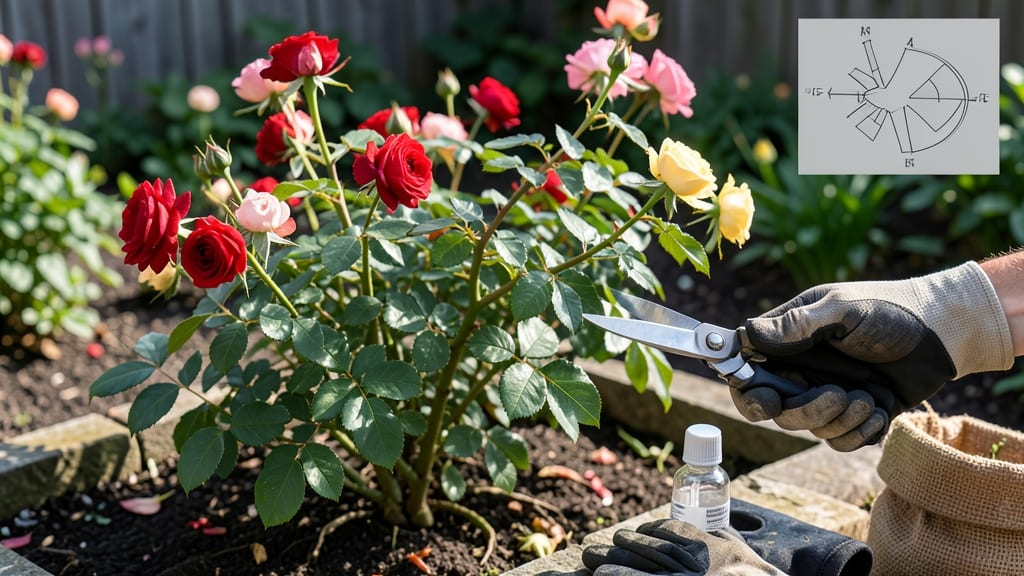
To properly trim a rose bush 🌹 is the single most effective way to boost blooms, shape growth, and keep your plants healthy year after year.
Struggling to keep your rose bushes healthy and blooming? Proper trimming isn’t just about cutting back—it’s a year-round strategy that determines how many flowers your plants will produce.
Whether you’re dealing with an overgrown hybrid tea or a climbing variety, the right cuts at the right time make all the difference. I’ll walk you through the seasonal schedule, tools to use, and the exact techniques to revive even the most neglected bushes.
By the end, you’ll know how to avoid common mistakes that stifle growth, when to prune for maximum blooms, and how to shape your roses like a pro—without sacrificing next year’s flowers.
Seasonal rose trimming schedule: when and what to cut
Trimming your rose bushes at the right time ensures healthy growth and abundant blooms all season. Unlike many plants, roses thrive on structured pruning throughout the year—not just once. Each season serves a unique purpose, whether it's stimulating new growth in spring or preventing disease in winter.
Without this seasonal approach, you risk overgrown canes, fewer flowers, or even plant stress.
I’ve learned the hard way that timing matters—cutting too early can expose roses to late frosts, while waiting too long reduces next year’s blooms.
The key is understanding seasonal goals: spring is for shape and vigor, summer focuses on deadheading, fall prepares for winter dormancy, and winter is all about protection. Let’s break down each season’s tasks, tools, and techniques to keep your roses thriving.
| Season | Primary Goal | Best Time | Tools Needed | Key Cuts |
|---|---|---|---|---|
| Winter (Dec-Feb) | Disease prevention | After first frost | Sterilized pruners, gloves | Remove dead/diseased canes; cut back 1/3 of last year’s growth |
| Spring (Mar-May) | Stimulate new growth | Early spring (before buds swell) | Sharp pruners, saw for thick canes | Cut 1/3 of oldest canes; shape for airflow |
| Summer (Jun-Aug) | Encourage continuous blooms | After each bloom cycle | Pruners, deadheading shears | Deadhead spent blooms; trim crossing canes |
| Fall (Sep-Nov) | Prepare for winter dormancy | 6-8 weeks before frost | Pruners, mulch | Remove weak canes; reduce height by 1/3 |
Let’s start with winter pruning, often overlooked but critical for disease prevention. After the first frost, dormant roses are less vulnerable to bacterial infections like black spot. Use sterilized pruners to cut back dead or diseased canes to the ground.
For healthy canes, trim them by 1/3 to reduce winter stress. This also removes last year’s growth, making room for new vigorous shoots in spring. Avoid heavy pruning now—roses need their energy reserves for survival.
When spring arrives, focus on stimulating growth and shaping your bush. Prune just as buds begin to swell (around March-April in most zones). Remove old, weak canes completely and cut back younger canes by 1/3 to encourage new branches.
Always cut at a 45-degree angle, 1/4 inch above an outward-facing bud. This ensures better airflow and fewer fungal issues. For climbing roses, prune lightly to maintain their natural shape.
During summer, shift to maintenance pruning to keep your roses blooming continuously. After each bloom cycle, deadhead (remove spent blooms) by cutting just above a 5-leaflet leaf. This redirects energy to new buds instead of seed production.
Also, trim any crossing or rubbing canes to prevent disease entry points. Avoid heavy pruning in late summer—it can stunt fall blooms and weaken winter hardiness. Use sharp, clean tools to minimize tissue damage.
As fall approaches, prepare your roses for winter dormancy by reducing their height and removing weak growth. Prune 6-8 weeks before the first frost to allow time for new growth to harden off.
Cut back 1/3 of the plant’s height, focusing on thinning out crowded canes. This improves air circulation and reduces snow mold risk. After pruning, apply a 2-3 inch layer of mulch around the base to insulate roots and retain moisture.
One common mistake I see is pruning at the wrong time, like cutting back late in summer or early spring. This can delay blooming or expose roses to frost damage. Another error is using dull tools, which tear canes instead of making clean cuts.
Always sterilize your pruners with rubbing alcohol between cuts to prevent disease spread. If you’re unsure which canes to remove, look for thin, weak stems or those growing inward—these are prime candidates for trimming.
For hybrid tea roses, focus on maintaining a balanced shape with 3-5 strong canes. Floribunda roses benefit from light pruning to encourage clustered blooms, while climbing roses need minimal trimming—just remove dead wood and crossing branches.
Shrub roses like Knock Out® varieties are low-maintenance but still need annual shaping to prevent overcrowding. Tailor your approach to your specific rose type for the best results.
Remember, consistency is key. Even 10 minutes weekly of light maintenance keeps your roses healthy and blooming.
Step-by-step guide to trimming different rose types (hybrid teas, climbers, shrubs)
Not all roses respond the same way to pruning! Each type—whether it’s a Hybrid Tea, Climbing Rose, or Shrub Rose—requires a tailored approach to maximize blooms and health. I’ve trimmed roses for over 15 years, and the biggest mistake I see is treating all varieties equally.
Let’s break down the exact cuts for each type, so you can transform your overgrown bushes into lush, flowering powerhouses.
Before you start, gather your tools: bypass pruners (for clean cuts), loppers (for thicker canes), and disinfectant (to prevent disease spread). The key is to remove dead wood, crossing branches, and overcrowded canes while leaving healthy growth.
For all rose types, make cuts at a 45-degree angle, about 1/4 inch above a bud that faces outward.
How to Properly Trim a Rose Bush: Variety-Specific Steps
Pro tip: If you’re unsure which canes to remove, look for smooth, brown dead wood (cut it out) versus green, flexible canes (leave them).
For Hybrid Teas, always leave 3-5 strong canes—this ensures maximum blooms. Climbers need support, so prune to encourage long, flexible canes that can be trained along trellises or arbors.
Remember, roses reward precision! A 45-degree cut just above a bud (pointing outward) ensures water runs off and new growth emerges in the right direction. Skip this step, and you’ll end up with weak, inward-growing branches that block sunlight and airflow.
After trimming, step back and admire your open, airy structure—this is the foundation for a season of stunning blooms.
🌹