
Planting
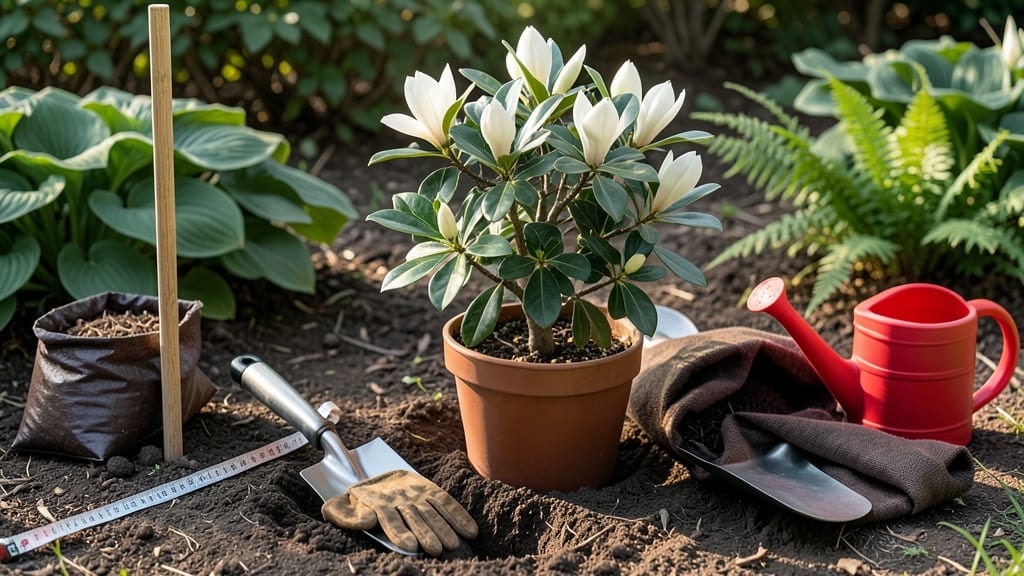
Planting a magnolia bush in the right spot makes all the difference—this fragrant giant thrives when you nail sunlight, soil, and spacing from day one. 🌿 I’ve planted three magnolias, and the one in full morning sun with afternoon shade now blooms like crazy every spring, while the one in harsh afternoon sun struggles to keep its leaves.
The secret isn’t just picking a sunny spot; it’s creating the perfect conditions for those deep roots to spread.
Start with well-draining soil mixed with compost—magnolias hate soggy feet. Dig a hole twice as wide as the root ball but only as deep, then loosen the roots if they’re circling. Space bushes 15-25 feet apart (depending on the variety) so they don’t compete later.
Water deeply before planting, then again immediately after to settle the soil. Most people overwater at first, but magnolias need deep, infrequent drinks—think of it like giving them a long drink of water once a week rather than a quick sip daily.
After planting, mulch around the base (but not touching the trunk) with 2-3 inches of organic mulch to lock in moisture and keep roots cool. The first year is critical—you’ll see slow but steady growth, and by year three, your magnolia will start flexing its muscles with those iconic blooms.
The key is patience: these trees grow slowly but live for decades, so every step now sets you up for years of shade and fragrance.
Here’s the plot twist: the best time to plant is late fall or early spring, when the ground is workable but not frozen. Avoid summer heat, which stresses young roots.
And if you’re in a hot climate, choose a variety like Magnolia grandiflora that handles heat better than others. Now grab your shovel—your future shade tree is waiting.
📚 In This Guide
- What you need
- Instructions
- Tips and common mistakes
- Wrapping up and next steps
What you need
- ● Magnolia bush: Choose between container-grown (1–3 gallons) or bare-root plants (dormant season only). Pro tip: 🌡️ Opt for Southern magnolias (Magnolia grandiflora) for cold-hardy varieties or star magnolias (Magnolia stellata) for earlier blooms!
- ● Shovel or trowel: A garden shovel for digging holes (12–18" wide/deep) or a hand trowel for smaller roots.
- ● Compost or well-aged manure: 2–3 gallons to enrich the planting hole.
- ● Mulch (pine straw, wood chips, or shredded bark): 2–3 inches to retain moisture and suppress weeds.
- ● Garden hose or watering can: For deep watering (1–1.5 gallons per plant).
- ○ Gloves (optional but recommended): Protect your hands from thorns or rough bark.
- ● Slow-release fertilizer: 10–10–10 NPK ratio (follow package instructions).
- ● Planting hole liner (landscape fabric): To prevent weed intrusion around the roots.
- ● Staking kit: For young, top-heavy magnolias (use 3–4 ft bamboo stakes).
- ● Pruning shears: To trim damaged roots or branches post-planting.
- ● Soil pH tester: Magnolias prefer acidic soil (pH 5.0–6.0)—adjust with sulfur if needed.
Step-by-Step instructions for planting a magnolia bush
Here's how I plant magnolias for strong roots and decades of blooms—no guesswork involved.
🌱 Step 1: Choose the Perfect Planting Site
Magnolias thrive in full sun to partial shade—at least 4-6 hours of direct sunlight daily—but they tolerate light afternoon shade in hot climates. I always look for a spot with well-draining soil and shelter from strong winds, which can stress young plants. Avoid low areas where water pools after rain.
Dig a hole twice as wide as the root ball but no deeper—this prevents root suffocation. Loosen the sides of the hole with a shovel to encourage root spread. If your soil is heavy clay, mix in 2-3 inches of compost from the ingredients list into the bottom of the hole to improve drainage.
🪴 Step 2: Prepare the Root Ball and Plant
Remove the magnolia from its container and gently loosen the root ball at the edges—this encourages roots to grow outward instead of circling. If the roots are tightly bound, tease them apart with your fingers (don’t pull or break them). Place the plant in the hole so the top of the root ball sits 1-2 inches above ground level—this prevents rot when water pools around the stem.
Fill the hole with the amended soil, pressing lightly around the edges to remove air pockets. Water deeply to settle the soil and eliminate gaps. You’ll know it’s right when the soil surface looks slightly damp but not soggy. Avoid compacting the soil too firmly—magnolia roots need room to breathe.
☀️ Step 3: Mulch and Water for Establishment
Spread 2-3 inches of mulch over the soil surface, keeping it 6 inches away from the trunk to prevent rot. I use shredded bark or pine straw—both retain moisture and regulate soil temperature. Water the magnolia deeply once a week during the first growing season, ensuring the soil stays evenly moist but not waterlogged. Overwatering is the fastest way to kill a magnolia.
Watch for new growth in 4-6 weeks—this is your sign the plant has rooted successfully. If the leaves yellow or wilt, it’s usually a sign of overwatering or poor drainage. Adjust your watering schedule based on rainfall; in dry spells, you may need to water every 3-4 days instead.
⏰ Step 4: Prune and Care for Long-Term Health
Wait at least a year before pruning your magnolia—young plants need all their energy for root growth. Once established, prune in late winter or early spring before new growth begins. Remove dead, diseased, or crossing branches first, then shape the tree by cutting back no more than 25% of the foliage at a time. Always use clean, sharp pruners to avoid tearing the bark.
Fertilize lightly in early spring with a balanced, slow-release fertilizer (10-10-10 works well). Magnolias are slow growers and don’t need heavy feeding—too much fertilizer encourages weak, leafy growth at the expense of flowers. After fertilizing, water deeply to help the nutrients soak into the soil.
Tips & tricks for planting a magnolia bush
Here's what I've learned after planting dozens of magnolias—these little tricks make all the difference in getting your tree off to a strong start.
Sunlight Spot-Check: That 4-6 hours of sunlight in Step 1 is non-negotiable, but here's the thing: morning sun is gentler than afternoon sun in hot climates. If you're in a southern location, I recommend planting where the tree gets morning sun and afternoon shade—this prevents heat stress on young leaves. Use a sun calculator app to track sunlight patterns in your yard for a week before planting.
Root Ball Rescue: When you're loosening those roots in Step 2, be extra gentle with the larger roots—they're more fragile than you'd think. I've seen people accidentally snap them while trying to separate them, which can take months to recover from. If you find any broken roots, don't trim them—just work around them and let the plant heal naturally. The 1-2 inch elevation above ground level is crucial too—this prevents water from pooling around the stem during heavy rains.
Mulch Magic: Those 2-3 inches of mulch in Step 3 aren't just for looks—they're a game-changer for moisture retention and temperature regulation. I like to add a thin layer of landscape fabric under the mulch first (about 1/4 inch thick) to prevent weeds from competing with your magnolia. This extra step has cut my weed-pulling time by 80% over the years. Just remember to keep that mulch 6 inches away from the trunk to prevent rot.
Watering Wisdom: The once-a-week watering schedule in Step 3 works perfectly in average conditions, but here's my pro tip: water in the morning between 6-10 AM. This gives the plant time to absorb moisture before the heat of the day. If you notice leaves wilting during dry spells, it's better to water lightly every 2-3 days than to give one deep soaking—this mimics natural rainfall patterns better. The 4-6 week growth check is your best indicator of whether you're watering correctly.
Pro Tips for Plant A Magnolia Bush
- Here's what I've learned after planting dozens of magnolias—these little tricks make all the difference in getting your tree off to a strong start.
- Sunlight Spot-Check: That 4-6 hours of sunlight in Step 1 is non-negotiable, but here's the thing: morning sun is gentler than afternoon sun in hot climates.
- Root Ball Rescue: When you're loosening those roots in Step 2, be extra gentle with the larger roots—they're more fragile than you'd think.
Frequently asked questions
Got questions about planting your magnolia bush? You’re not alone! Here are some of the most common concerns—plus straightforward answers to help you grow a stunning, healthy specimen with confidence.
When is the best time to plant a magnolia bush?
The ideal window is early spring or fall, when temperatures are mild (50–70°F) and soil isn’t frozen. Avoid extreme heat or cold—magnolias hate stress! Spring planting gives roots time to establish before summer, while fall lets them settle before winter dormancy. Pro tip: If you must plant in summer, water deeply every 2–3 days to prevent shock.
How close can I plant a magnolia bush to my house or fence?
Magnolias need space to breathe—aim for 15–25 feet from structures (check your variety; some like Magnolia grandiflora grow 80+ feet tall!). Roots spread widely, so avoid planting near sidewalks, driveways, or septic systems. If space is tight, choose a dwarf variety (like ‘Little Gem’) and monitor growth closely.
Why is my magnolia bush’s leaves turning yellow or dropping?
Yellowing leaves often signal overwatering, poor drainage, or nutrient deficiency. Check the soil—it should feel moist but not soggy. Yellow edges? Likely underwatering or salt buildup (flush with water if near a road). Brown spots + crispy leaves? It’s probably heat stress or fungal issues (like powdery mildew). Prune affected branches and improve airflow.
Can I plant a magnolia bush in a container instead of the ground?
Yes! Dwarf or semi-dwarf magnolias (like ‘Black Tulip’ or ‘Ann’) thrive in large containers (20+ gallons) with drainage holes. Use a well-draining potting mix and repot every 2–3 years. Place in partial shade and water when the top inch of soil dries out. Container-grown magnolias are perfect for patios or small yards!
Are magnolia bushes prone to pests, and how do I prevent them?
Magnolias are generally pest-resistant, but watch for scale insects, spider mites, or borers. Preventative care includes:
- Regular watering (drought stress attracts pests).
- Mulch around the base (3 inches deep) to deter weeds and retain moisture.
- Inspect leaves monthly—spray with neem oil if you spot pests early.
Wrapping up and next steps
Planting a magnolia bush is a rewarding journey that combines patience with the joy of nurturing something beautiful. 🌿 By choosing the right location, preparing the soil, and giving your magnolia the care it deserves, you’ll soon be rewarded with stunning blooms and lush foliage.
Now that you’re equipped with the know-how, take that first step—dig, plant, and watch your magnolia thrive!
Next up: Mark your calendar for regular watering and mulching—your magnolia’s future growth depends on it! 🌱