
Light Requirements
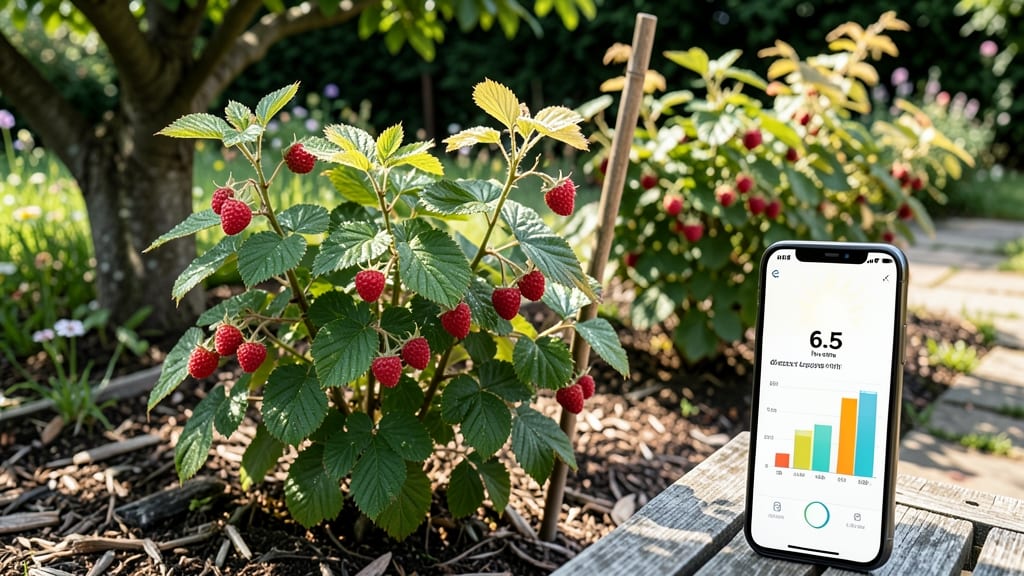
Raspberry bushes need 6 to 8 hours of sunlight daily 🍇 to produce sweet, abundant fruit—but too much sun can actually stress them out in hot climates.
Struggling to get your raspberry bushes to produce juicy, flavorful berries? The secret might be hiding in plain sight—sunlight exposure plays a far bigger role in raspberry yields than most gardeners realize.
Too little sun leads to small, tart berries, while too much can scorch leaves in Zone 6a summers. The trick is finding that sweet spot: full sun for most of the day, but with afternoon shade in extreme heat.
In this guide, I’ll break down the exact sunlight needs for summer-bearing vs. everbearing varieties, how to spot signs of sun stress, and 3 simple fixes to adjust your garden’s layout for peak production.

Optimal sunlight requirements for raspberry bushes: exact hours by variety
Raspberry bushes thrive when they receive the right amount of sunlight, but their needs vary depending on the variety. Summer-bearing types and everbearing types both require sunlight, but the exact hours can make or break your harvest.
Too little sun leads to small, flavorless berries, while too much can stress the plant—especially in hot climates. Understanding these nuances ensures your raspberries produce abundant, sweet fruit year after year.
Most raspberry varieties need 6 to 8 hours of direct sunlight daily for peak production. However, this can shift slightly based on your climate. In cooler regions, raspberries can tolerate partial shade in the afternoon to prevent leaf scorch.
Meanwhile, hot climates may require morning sun with afternoon shade to keep the roots cool. Let’s break down the exact sunlight needs by variety and how to measure sunlight accurately in your garden.
📊 Summary Table: Sunlight Requirements for Raspberry Varieties
| Variety Type | Sunlight Needs | Climate Adaptations | Best For |
|---|---|---|---|
| Summer-Bearing (e.g., Boyne, Heritage) | 6-8 hours full sun | Cool to moderate climates; may need afternoon shade in hot zones | Large berries, high yield |
| Everbearing (e.g., Caroline, Autumn Britten) | 6-7 hours full sun (tolerates 5 hours) | Flexible; handles partial shade better than summer-bearing | Extended harvest season |
| Black Raspberries (e.g., Bristol, Munger) | 6-8 hours full sun | Requires consistent moisture; avoid afternoon sun in dry climates | Rich flavor, shorter canes |
| Golden Raspberries (e.g., Golden Queen) | 7-8 hours full sun | Needs more sun for sweetness; sensitive to heat stress | Unique color and taste |
| Dwarf Varieties (e.g., Heritage, Caroline) | 5-6 hours sun (container-friendly) | Ideal for patios or small gardens; use reflective surfaces to boost light | Urban or limited-space gardening |
Measuring sunlight accurately is easier than you think. Use a sunlight tracker or observe your garden for a week. Note when shadows fall across your planting area—raspberries need uninterrupted sunlight during their peak growing hours (typically 10 AM to 4 PM).
If your garden has partial shade, prioritize the morning sun and ensure the afternoon shade doesn’t block more than 2-3 hours of direct light.
In hot climates like USDA Zone 9 or 10, raspberries can suffer from heat stress if exposed to full sun all day. To mitigate this, plant them near deciduous trees that provide shade in summer but allow sunlight in winter.
Alternatively, use light-colored mulch to reflect excess heat away from the roots. This balance keeps your bushes healthy and productive without sacrificing flavor or yield.
For container-grown raspberries, place pots in the sunniest spot available, like a south-facing patio or balcony. If natural light is limited, supplement with a grow light for 12-14 hours daily during shorter daylight months.
Dwarf varieties like Heritage or Caroline adapt well to containers but still need their minimum 5-6 hours of sun to thrive.
One common misconception is that raspberries can thrive in full shade. While they may survive, their fruit production drops by 50% or more. Small berries with poor flavor are a telltale sign of insufficient light.
If you’re dealing with a shady spot, consider reflective surfaces like white walls or mirrors to bounce extra light onto the plants. This trick can add 1-2 extra hours of effective sunlight without moving the bushes.
When planting new raspberry bushes, orient them so that their canes face south (in the Northern Hemisphere) to maximize sunlight exposure. This simple adjustment ensures even light distribution and reduces the risk of one-sided growth.
Over time, you’ll notice healthier canes, more flower buds, and a consistent harvest of plump, flavorful berries. Paying attention to these details now will save you from frustration—and wasted effort—later in the season.
If you’re unsure whether your garden meets the sunlight requirements, start with a trial period. Plant a few bushes in different locations and monitor their growth. The bush that produces the largest, sweetest berries is your clue that it’s getting the ideal sunlight for your climate.
Adjust as needed, and soon you’ll have raspberries that rival those from commercial farms—all thanks to the power of proper sunlight exposure.
🌱
Signs your raspberry bushes aren’t getting enough sun (and how to fix it)
If your raspberry bushes are producing small, bland berries or struggling to thrive, sunlight might be the culprit. Raspberries crave full sun—typically 6 to 8 hours daily—to develop sweet, flavorful fruit.
Without enough light, they’ll show clear signs of distress, from stunted growth to poor yields. The good news? Adjusting their environment can often reverse these issues quickly.
One of the first red flags is tiny, underdeveloped berries that lack color or flavor. Sunlight fuels photosynthesis, which is essential for energy production—when deprived, raspberries prioritize leaf growth over fruit development.
You might also notice yellowing leaves or leaf scorch along the edges, a sign the plant is struggling to balance light exposure and hydration.
⚠️ callout warning
Raspberries thrive with 6 to 8 hours of direct sunlight daily. Minimum requirement: 5 hours (but yields suffer). Maximum tolerance: 10 hours (though afternoon shade helps in hot climates). Use a sunlight tracker or observe your garden’s light patterns to ensure your bushes get enough.
To diagnose the issue, monitor your bushes for weak canes that flop or fail to stand upright. Healthy raspberry canes should be sturdy and upright, not sprawling or bending toward light sources.
Another clue? Fewer flower buds on new canes, which means the plant isn’t allocating energy to reproduction—another sign of light deprivation.
If you’ve identified sunlight as the issue, start by pruning nearby obstructions, like overgrown trees or tall plants casting shade. Raspberries are aggressive growers, so they can outcompete neighbors for light—consider removing competing plants or relocating your bushes to a sunnier spot.
For container-grown raspberries, move them to a south-facing window or use a reflective surface (like a white wall) to bounce extra light onto the plants.
For established in-ground bushes, seasonal adjustments can help. In early spring, thin out dense foliage to improve airflow and light penetration.
In summer, provide afternoon shade (via a shade cloth) if temperatures exceed 90°F, as too much intense light can scorch leaves. Mulch around the base with straw or wood chips to retain moisture and regulate soil temperature, which indirectly supports photosynthesis.
Finally, consider companion planting to maximize sunlight. Pair raspberries with low-growing plants like thyme or clover, which won’t block light but will improve soil health. Avoid tall companions like sunflowers or corn, which can cast long shadows.
With these tweaks, your raspberries should bounce back with larger, sweeter berries within a single growing season.