
How To
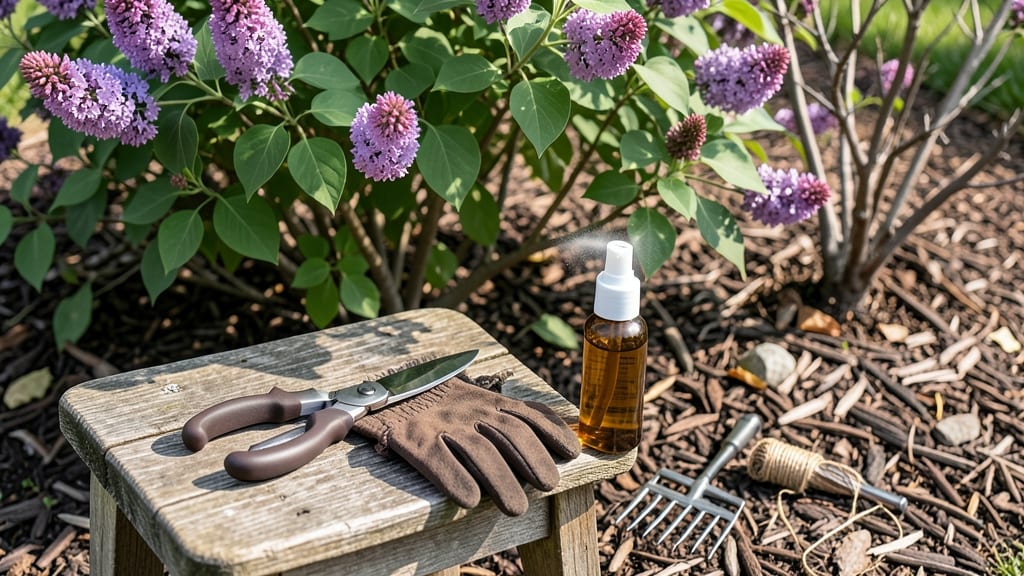
Getting your lilac bush 🌸 to bloom is all about timing and technique—prune it wrong, and you’ll sacrifice next year’s fragrant purple display.
Your lilac bush could be hiding a secret—it’s already packed with next year’s blooms, but only if you prune it correctly right now. Skip this step, and you’ll miss out on fragrant purple clouds that transform your garden into a springtime paradise.
Most gardeners wait until spring to prune, but that’s the biggest mistake. The key is cutting back right after the flowers fade—typically in late summer or early fall—when the plant is storing energy for next season’s blooms.
Below, I’ll walk you through the exact steps to revive your lilac, from pruning like a pro to feeding it what it craves for maximum blooms—no guesswork, just results.
When and how to prune lilac bushes for maximum blooms
If your lilac bush isn’t blooming like your neighbors’, the issue might be your pruning timing. Lilacs set next year’s flower buds during late summer and early fall—meaning now is the critical window to shape your bush for a showstopping spring display.
The secret? Prune after blooms fade but before September to avoid cutting off new growth.
Most gardeners make two deadly mistakes: pruning too late (after September 15) or cutting into old wood too aggressively. Both can leave your lilac bloomless next spring. Instead, focus on selective pruning—removing one-third of the oldest stems while preserving younger, vibrant growth that will produce flowers.
Here’s how to identify which stems to keep: Blooming stems are the thickest, woodiest branches that produced flowers this year, while non-blooming stems are the thinner, green shoots that won’t flower until they’re 2–3 years old.
Your goal is to balance the bush by removing 3–5 of the oldest stems each year.
- 1 Wait until late summer (after July 15) but before September 15—this is when lilacs form next year’s buds.
- 2 Locate last year’s blooming stems—these are the thick, woody branches that flowered this spring. Mark 3–5 of the oldest (usually the thickest ones) for removal.
- 3 Cut the marked stems back to the ground level using clean, sharp pruners. This removes old wood and encourages new, flowering stems to grow in its place.
- 4 Shape the bush by trimming crossing or rubbing branches to improve air circulation. Avoid cutting green, non-woody stems—these are next year’s flowers!
- 5 Clean up debris and apply a 2-inch layer of mulch around the base to protect roots. Water deeply to help the bush recover before winter.
Pruning lilacs might seem intimidating, but think of it as giving your bush a haircut—you’re not trying to shrink it, just encourage healthier growth. If you’ve been neglecting pruning for years, don’t remove more than one-third of the bush in a single year.
Spread it out over 2–3 years to avoid shocking the plant.
Pro tip: Take a before-and-after photo of your lilac after pruning. Next spring, you’ll be amazed at the dense clusters of blooms that emerge from those new, vigorous stems. The key is patience—lilacs reward consistent care with decades of fragrance.
After pruning, your lilac will need extra care to bounce back. Focus on watering deeply once a week and avoiding fertilizer until early spring. Over-fertilizing now can stimulate soft, non-flowering growth that won’t survive winter.
If your lilac is younger than 3 years old, skip pruning entirely—it’s still establishing its root system and needs all its energy to grow. For older bushes, prune every 1–2 years to maintain shape and promote blooming.
Remember: Lilacs bloom on old wood, meaning this year’s flowers come from last year’s growth. By pruning selectively in fall, you’re setting the stage for next spring’s show.
With the right timing and technique, your lilac will drown your garden in perfume for years to come. 🌸
5 Common mistakes that kill lilac blooms (and how to fix them)
If your lilac bush refuses to bloom year after year, you're not alone. Many gardeners make subtle mistakes that prevent those fragrant purple clouds from appearing. The good news?
Most of these issues are easily fixable with the right timing and care. Let's uncover the hidden culprits behind your lilac's silence and how to revive it.
First, let's address the biggest myth in lilac care: pruning. Many people cut back their lilacs in early spring, but this is a bloom-killer. Lilacs set their next year's buds after flowering, so aggressive spring pruning removes those future blooms entirely.
This one mistake alone can leave you with a bush full of leaves but no flowers.
Another silent bloom-blocker is poor soil health. Lilacs thrive in well-draining, slightly alkaline soil with a pH between 6.0 and 7.0. Compacted or nutrient-poor soil starves the roots, leaving your bush with just enough energy for leaves but not for show-stopping blooms.
Even if you're watering regularly, your lilac might be silently begging for better growing conditions.
⚠️ WARNING: These 5 Mistakes Are Starving Your Lilac of Blooms ⚠️
🚨 How to Get Your Lilac Bush to Bloom 🚨
Your lilac's bloom buds form on last year's wood, so pruning at the wrong time (like early spring) removes them before they develop. Fix it now: Prune immediately after flowering (late spring/early summer) to preserve next year's buds. Cut back only dead or overgrown stems—never more than 1/3 of the plant.
🌱 Pro Tip: If your lilac is over 10 years old, it may need rejuvenation pruning—cutting back 1/3 of the oldest stems to the ground each year for 3 years. This shocks the plant into producing fresh growth with new blooming stems.
Let's tackle the top 5 bloom-killers starting with over-pruning. Many gardeners get overzealous with their shears, cutting back lilacs by more than 1/3 of their height. This drastic approach removes too many flowering stems and stresses the plant.
Instead, aim to remove only dead, diseased, or overcrowded branches, keeping the overall shape intact. Your goal is to maintain the bush's natural form while encouraging new growth where buds will form.
Next on the list is wrong pruning timing. As mentioned earlier, pruning at the wrong time is a common but deadly mistake. Lilacs bloom on old wood, meaning their flower buds form on stems from the previous year.
If you prune in late winter or early spring, you're cutting off those buds before they even have a chance to develop.
The correct time to prune is right after flowering, typically in late May or early June, when the blooms have faded but the leaves are still green.
Don't overlook the power of proper fertilization. Lilacs need balanced nutrition, particularly phosphorus and potassium, to produce abundant blooms. Many gardeners either over-fertilize with nitrogen (which promotes leafy growth but few flowers) or under-fertilize entirely.
Use a 10-10-10 fertilizer in early spring and again after pruning to give your lilac the nutrients it needs for next year's blooms. Apply fertilizer in a 1-foot circle around the base of the plant.
Finally, let's talk about light and location issues. Lilacs are sun-worshippers and need at least 6 hours of direct sunlight daily. If your lilac is planted in partial shade, it will produce fewer blooms and may become leggy.
Check your lilac's current location—if nearby trees or buildings are casting long shadows during peak sunlight hours (10 AM to 2 PM), it's time to consider relocating.
For established bushes, you can't move them, so focus on pruning nearby shade sources or adding a reflective surface to bounce more light onto the plant.
With these fixes in place, your lilac bush should be well on its way to producing abundant, fragrant blooms next spring. Remember, lilacs are hardy plants that reward patience and proper care.
Start with just one or two of these fixes this season, and you'll likely see a noticeable improvement in your lilac's blooming performance within a year or two.