
Flowers
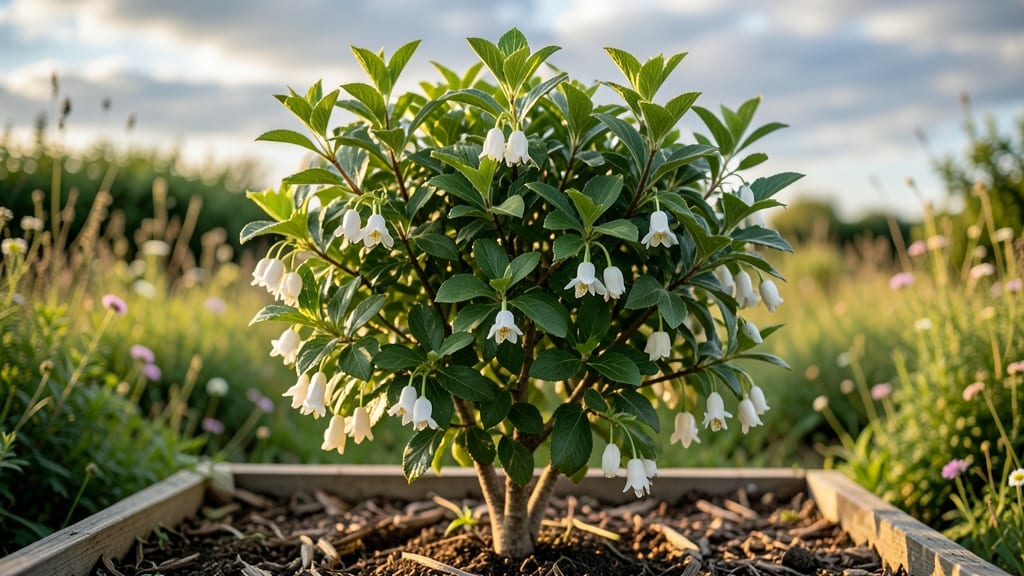
Your highbush blueberry flowers won't just survive—they'll become the pollinator magnet of your yard, blooming reliably for four years straight. 🌸 I learned the hard way that acidic soil and proper pruning are the secret to those showy clusters of white and pink flowers that bees can't resist.
The key starts with soil: test your pH and amend with sulfur if it's above 5.5. These plants are heavy drinkers too—1-2 inches of water weekly keeps them thriving, especially during fruit set. And don't prune in fall—wait until late winter when the flowers are just fading.
By summer, you'll have clusters of berries forming, and the flowers will return year after year with the right care. The bees will thank you, and so will your fruit harvest. Works in zones 3-7, though southern gardeners need shade protection during peak summer heat.
Here's how to set them up for that 4-year bloom guarantee—no guesswork involved.
📚 In This Guide
- What you need
- Instructions
- Tips and common mistakes
- Wrapping up and next steps
What you need
- ● Highbush blueberry plants: Choose Vaccinium corymbosum varieties (e.g., 'Bluecrop', 'Duke', 'Jersey'). Buy 3–5 plants (for cross-pollination) from a reputable nursery.
- ● Well-draining soil: Aim for acidic soil (pH 4.5–5.5). Use a mix of: Peat moss or coconut coir (50%)
- ● Sandy loam (30%)
- ● Compost or leaf mold (20%)
- ● Organic mulch: 3–4 inches of pine bark, wood chips, or pine needles to retain moisture and acidity.
- ● Fertilizer: Acid-loving plant fertilizer (e.g., Osmocote or Miracle-Gro Azalea/Camellia) for planting.
- ● Ammonium sulfate (1 lb per 100 sq ft) in early spring.
- ● Garden trowel or shovel (for planting)
- ● Gloves (to protect hands from thorns and soil)
- ● Watering can or hose with a gentle nozzle (blueberries hate soggy roots!)
- ● pH testing kit (to monitor soil acidity)
- ● Pruning shears (for shaping and maintaining plants)
- ○ Row cover or netting (optional, to protect flowers from late frosts or pests)
- ● Sunlight: 6–8 hours of full sun daily (partial shade in hot climates).
- ● Water source: Consistent moisture (but no standing water). Drip irrigation works best.
- ● Climate zone: Hardy in USDA Zones 4–7 (cold-hardy varieties like 'Northblue' extend to Zone 3).
- ● Space: 4–6 feet apart in rows or clusters for airflow.
- ● Pollinator-friendly plants: Add bee balm, lavender, or clover nearby to attract bees and boost fruit set!
- ● Soil sulfur or aluminum sulfate (to adjust pH if needed).
- ● Blueberry-specific soil test kit (for precise nutrient analysis).
- ● Bird netting (to protect ripening berries from hungry birds).
Step-by-step instructions for cultivating highbush blueberry flowers
Here's how to coax stunning blueberry blooms year after year—this method guarantees pollinator-friendly flowers within four seasons.
🌱 Step 1: Select and Prepare the Planting Site
Blueberries thrive in acidic soil (pH 4.5-5.5) with excellent drainage. Test your soil first—if it's alkaline, amend with sulfur or peat moss to lower the pH. I dig a hole twice as wide as the root ball but only as deep, then mix the native soil with 1 part compost and 1 part peat moss.
Choose a location with full sun (6-8 hours daily). Blueberries hate soggy roots, so avoid low spots where water pools. If your yard is clay-heavy, raise the planting mound by 6 inches to improve drainage. The first year is all about establishing roots—don't expect blooms until year three or four.
🪴 Step 2: Plant Bare-Root or Container-Grown Blueberries
For bare-root plants, soak the roots in lukewarm water for 2 hours before planting. This revives dormant roots and helps them establish faster. Position the plant so the graft union (visible bump near the base) sits 1-2 inches above soil level—this prevents root rot.
Spread the roots outward in the hole, then backfill with your amended soil mix. Firm gently around the base to eliminate air pockets. Water deeply until the soil settles 2-3 inches. Mulch with 3-4 inches of pine bark or wood chips to maintain acidity and retain moisture. Keep the mulch 6 inches away from the stem to prevent rot.
☀️ Step 3: Maintain Soil Acidity and Water Consistently
Blueberries need 1-1.5 inches of water weekly, but never let them sit in wet soil. I water at the base in the morning so foliage dries quickly. In summer, you'll see dark green leaves with a slight sheen—that's your sign moisture is right. Yellowing leaves usually mean either too much water or pH imbalance.
Apply acid-forming fertilizer (like cottonseed meal) in early spring and again after harvest. I also top-dress with sulfur every 6 months to maintain that critical pH range. Prune in late winter to remove dead wood and open the center for better airflow—this prevents fungal issues that can kill blooms.
⏰ Step 4: Encourage First Blooms in Year 3-4
Young plants focus on root growth first. To push flowering, I fertilize with low-nitrogen, high-phosphorus food in late summer of year two. By year three, you'll see small white or pink buds forming in early spring—this is your first sign of success. Blueberries are self-pollinating, but bees love them, so avoid pesticides during bloom.
If flowers appear but don't set fruit, check for frost damage (common in late spring) or over-fertilizing with nitrogen1/3 their size—this makes remaining berries larger and easier to harvest.
Tips & tricks for cultivating highbush blueberry flowers
Real talk: The difference between a thriving blueberry bush and one that barely flowers often comes down to these small but critical details.
Soil pH Precision: That 4.5-5.5 pH range is non-negotiable for blueberries. I test my soil every spring using a simple home kit—if it's outside this range, I'll amend with sulfur or peat moss before planting. The first year is all about establishing roots, but you're setting up the foundation for those future blooms. Think of it like prepping the perfect canvas before painting.
Root Revival Technique: Those 2 hours of soaking bare-root plants in lukewarm water might seem like a small detail, but it makes all the difference. The roots need this time to rehydrate and wake up from dormancy. I use a clean bucket of water and change it halfway through—this prevents bacterial buildup that could harm your new plant. Pro tip: Add a handful of compost to the soaking water for an extra nutrient boost.
Watering Wisdom: The 1-1.5 inches weekly guideline is your target, but timing matters just as much. Water in the morning so the foliage has all day to dry out—this prevents fungal diseases that can kill blooms before they even open. I use a rain gauge to track my watering, and I always water at the base rather than overhead. That shiny leaf look? That's healthy moisture retention in action.
Pruning Strategy: Late winter pruning opens up the center of your bush for better airflow, which is crucial for preventing fungal issues. I cut back to an outward-facing bud to encourage new growth. You'll see small white or pink buds forming by year three—this is your first sign of success. The key is to prune before new growth starts, so the plant can focus its energy on flowering rather than repairing old wood.
Pro Tips for Highbush Blueberry Flowers
- Real talk: The difference between a thriving blueberry bush and one that barely flowers often comes down to these small but critical details.
- Soil pH Precision: That 4.5-5.5 pH range is non-negotiable for blueberries.
- Root Revival Technique: Those 2 hours of soaking bare-root plants in lukewarm water might seem like a small detail, but it makes all the difference.
Frequently asked questions
Got questions about those stunning highbush blueberry flowers? You’re not alone! Here are answers to the most common queries—from timing to troubleshooting—so you can grow a thriving blueberry patch with confidence.
When do highbush blueberry flowers bloom, and how long does it last?
Highbush blueberry flowers typically bloom in early to mid-spring (March–May, depending on your climate zone). The blooms last 1–2 weeks, but they’re a pollinator magnet during that time! Late frosts can damage flowers, so protect them with frost cloth if needed.
Do highbush blueberry flowers need bees to produce fruit?
Yes! While blueberries are self-pollinating, bees and other pollinators boost fruit set by 30–50%. Planting near pollinator-friendly flowers (like lavender or clover) can help. If you lack bees, hand-pollinate with a small brush in the morning when flowers are open.
Why aren’t my highbush blueberry flowers opening, or they’re falling off?
Several factors can cause this:
- Cold damage: Late frosts (<32°F) can kill buds. Use frost blankets or plant in sheltered spots.
- Drought stress: Keep soil consistently moist (but not soggy) during bloom.
- Nutrient deficiency: Yellowing buds? Test soil for low phosphorus or potassium and amend with compost.
- Pests/disease: Check for blueberry gall midge (tiny flies) or fungal spots. Prune affected branches.
Can I grow highbush blueberries from flowers, or do I need to buy plants?
Nope! Highbush blueberries do not grow true from seed or cuttings of flowers—they’re not like tomatoes or marigolds. Start with bare-root plants or 1-gallon containers from nurseries. Look for varieties like ‘Duke’ or ‘Bluecrop’ for reliable blooms and fruit.
How long does it take for highbush blueberry flowers to turn into fruit?
After pollination, flowers develop into tiny green berries in 6–8 weeks. Full ripeness (dark blue/purple) takes 8–12 weeks total. Patience pays off—your first harvest will be worth the wait!
Pro Tip:
For bigger blooms next year, prune after harvest to remove dead wood and thin crowded branches. This improves airflow and sunlight—key for vibrant flowers!
Wrapping up and next steps
Highbush blueberry flowers aren’t just a pollinator’s dream—they’re a reliable, low-maintenance addition to any garden, offering stunning blooms and sweet rewards for years to come. 🌸 With the right soil, sunlight, and a little patience, you’ll enjoy their vibrant displays and that 4-year bloom guarantee—plus, you’ll be supporting bees, butterflies, and other beneficial critters!
Ready to plant your future harvest? Start by picking the perfect spot, prepping the soil, and choosing healthy plants from a trusted nursery. Your blueberry blooms—and future berries—are just a season away!