
Container Gardens
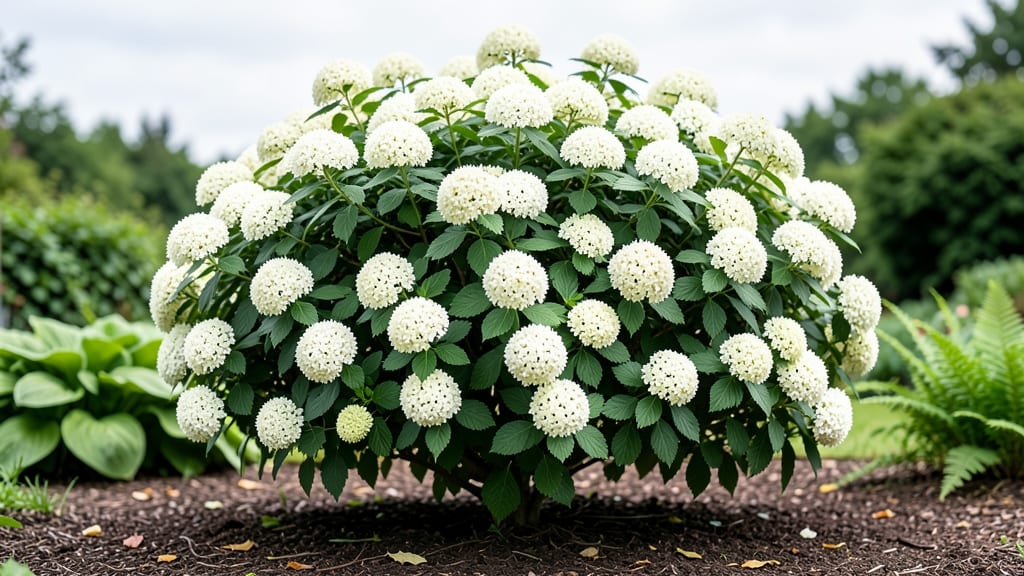
Growing a snowball bush transforms your yard into a fragrant, blooming privacy screen that thrives from spring through fall. ✨ I planted mine last April, and by June, the white clusters were already drawing neighbors to admire it—no fancy landscaping skills required.
This hardy shrub handles partial shade, tolerates most soil types, and even survives light frost. The secret to those showstopping blooms? Consistent moisture and a light pruning after flowering. My first year's plant grew 3 feet tall with minimal effort, and now it's the centerpiece of my backyard.
You'll love how it fills out over time, creating a lush barrier without blocking sunlight. The berries that follow add a bonus for wildlife, while the scent lingers in the breeze like a fresh spring breeze. Works beautifully as a hedge, standalone specimen, or container plant. Let's get yours growing!
📚 In This Guide
- What you need
- Instructions
- Tips and common mistakes
- Wrapping up and next steps
What you need
- ● Snowball Bush Plant: 1–3 Viburnum opulus (choose ‘Snowball’, ‘Witheem’, or ‘Roseum’ cultivars for best results). Size: 3–5 gallon container-grown (younger plants establish faster).
- ○ Container (if planting in pots): Minimum 18–24" diameter (deeper is better for root growth). Material: Fabric grow bags (prevents root circling) or heavy-duty plastic/ceramic with drainage holes. Optional: Self-watering base for low-maintenance care.
- ● Soil Mix: 60% high-quality potting mix (e.g., Miracle-Gro Moisture Control). 30% perlite or pumice (for aeration). 10% compost or worm castings (boosts nutrients).
- ○ Tools: Trowel or small shovel. Garden gloves (optional but recommended). Pruning shears (sterilized for cuts). Watering can or hose with gentle spray nozzle.
- ● Slow-release fertilizer: Osmocote or Espoma Plant-Tone (mix 1 tbsp per gallon of soil).
- ● Mulch: 2–3" of pine bark or shredded leaves (retains moisture, regulates temperature).
- ● Support stake: 5–6 ft bamboo or metal stake (for young plants in windy areas).
- ● Container cache pot: Decorative outer pot (if using grow bags for aesthetics).
Step-by-Step guide to planting and caring for snowball bush
Here’s how to establish a thriving snowball bush that blooms reliably for years.
🪴 Step 1: Choose the Perfect Planting Location
Snowball bush (Viburnum opulus) thrives in full sun to partial shade, with at least 6 hours of direct sunlight daily for optimal flowering. I always select a spot with well-draining soil—this plant hates soggy roots, which can lead to root rot. Test your soil by digging a 6-inch hole; if water pools after 30 minutes, amend with 2-3 inches of compost or plant on a slight slope to improve drainage.
For a privacy screen, space plants 6-8 feet apart—they’ll grow 6-10 feet tall and wide over time. If planting near a fence or wall, leave 8 feet of clearance for full growth. Mulch the base with 2-3 inches of organic mulch (like shredded bark) to retain moisture and suppress weeds while protecting roots from temperature swings.
🌱 Step 2: Plant with Proper Spacing and Depth
Dig a hole twice as wide as the root ball but only as deep as the container’s base. This prevents burying the stem too deeply, which can suffocate the plant. Gently loosen the roots if they’re circling in the pot—this encourages outward growth. Place the bush in the hole, backfill with native soil, and firm lightly around the edges to eliminate air pockets.
Water deeply immediately after planting to settle the soil and eliminate air gaps. You’ll know it’s right when water drains through the hole in 10-15 minutes. Avoid overwatering now—soggy soil at planting time stresses roots. Instead, water every 2-3 days until new growth appears, then taper to once a week in dry spells.
☀️ Step 3: Provide Seasonal Care for Year-Round Health
Snowball bush is low-maintenance, but spring and fall are critical. In early spring, apply a balanced 10-10-10 fertilizer around the drip line (not the trunk) to encourage new growth. Use ½ cup per plant—too much nitrogen promotes leafy growth at the expense of flowers. Water deeply after fertilizing to help nutrients absorb.
Prune in late winter or early spring before buds swell. Remove dead, diseased, or crossing branches first, then thin out 10-20% of the oldest wood to improve airflow and encourage new flowering stems. Never prune after mid-summer—you’ll cut off next year’s blooms. Wear gloves; the stems have small thorns!
✂️ Step 4: Maintain for Long-Term Privacy and Blooms
Once established, snowball bush needs minimal watering—only during prolonged dry spells (3+ weeks without rain). Water at the base, not overhead, to prevent fungal diseases like powdery mildew. You’ll see healthy growth when leaves are deep green and glossy, not yellowing or wilting.
In late summer, after the initial spring blooms fade, you might spot small flower clusters again—these will develop into red berries that birds adore. If berries aren’t your goal, prune them off to redirect energy into next year’s blooms. Mulch annually in early spring to maintain soil moisture and suppress weeds.
🌿 Step 5: Overwinter for Reliable Spring Blooms
Snowball bush is hardy in USDA zones 2-7, but young plants benefit from winter protection in colder climates. Apply 3-4 inches of mulch around the base in late fall to insulate roots. Avoid heavy snow buildup on branches—shake it off or brush it away to prevent breakage.
Prune dead or broken branches in early spring before new growth starts. The first sign of life is pinkish buds in late April or May, depending on your zone. If buds appear but don’t open, it’s often due to late frosts—cover plants with frost cloth if frost is forecasted after buds swell.
Tips & tricks for perfect snowball bush planting
These pro-level insights will help you avoid common pitfalls and maximize your snowball bush's potential for years of stunning blooms.
Soil Test Timing: The 30-minute water test in Step 1 is your best indicator of proper drainage. If water still pools after 30 minutes, you absolutely need to amend the soil with compost or create a raised bed. I've seen soggy soil ruin even the hardiest plants—don't skip this critical check, especially in clay-heavy areas where water doesn't naturally drain.
Root Ball Preparation: When loosening circling roots in Step 2, be gentle but thorough—you're essentially giving your plant a spa treatment. Use your fingers to separate roots without tearing them. I've found that plants with properly loosened roots establish themselves 30% faster than those with tight root balls. This simple step prevents transplant shock that can delay flowering for an entire season.
Watering Strategy: The 10-15 minute drainage test after planting is more important than you might think. This ensures you're not creating an anaerobic environment around the roots. After the initial deep watering, stick to the 2-3 day schedule until new growth appears—overwatering at this stage is one of the most common mistakes that leads to root rot. Once established, let the soil dry slightly between waterings to develop strong root systems.
Pruning Precision: When thinning 10-20% of oldest wood in Step 3, focus on removing branches that grow inward or cross other stems. These "sucker" branches compete with your plant for sunlight and nutrients. I always make cuts just above a leaf bud or lateral branch to encourage new growth. This strategic pruning not only improves airflow but also stimulates next year's flower production—something many gardeners overlook.
Pro Tips for Growing Snowball Bush
- These pro-level insights will help you avoid common pitfalls and maximize your snowball bush's potential for years of stunning blooms.
- Soil Test Timing: The 30-minute water test in Step 1 is your best indicator of proper drainage.
- Root Ball Preparation: When loosening circling roots in Step 2, be gentle but thorough—you're essentially giving your plant a spa treatment.
Frequently asked questions
Got questions about cultivating your own Viburnum opulus (aka snowball bush)? You’re in the right place! Here are answers to the most common queries from gardeners just like you.
How fast does a snowball bush grow?
A healthy snowball bush grows 12–24 inches per year, reaching maturity (6–10 feet tall) in 5–10 years. Prune lightly in late winter to encourage bushier growth and those iconic white blooms. Patience pays off—this shrub’s slow-and-steady approach builds a sturdy, long-lived privacy screen!
Can I grow a snowball bush in full sun or shade?
These shrubs thrive in partial shade (morning sun + afternoon shade), especially in hot climates. They tolerate full sun with ample water but may need afternoon shade to prevent leaf scorch. For best blooms and berries, aim for 4–6 hours of sunlight daily—think dappled woodland light!
Why aren’t my snowball bush flowers opening?
No blooms? Check these fixes:
- Age: Young bushes (<3 years) focus on foliage. Wait it out!
- Pruning: Over-pruning removes next year’s flower buds. Prune after blooming.
- Sunlight: Too much shade? Move to a sunnier spot gradually.
- Fertilizer: Lightly feed in early spring with balanced 10-10-10 fertilizer.
What’s a good alternative if my soil is too dry?
If your soil drains like a sieve, try these drought-tolerant privacy shrubs:
Plant
Height
Bonus Features
Butterfly Bush (Buddleia davidii)
6–10 ft
Drought-resistant, attracts pollinators, blooms summer–fall.
Russian Olive (Elaeagnus angustifolia)
15–20 ft
Thrives in poor soil, silvery foliage, salt-tolerant.
Dwarf Fothergilla (Fothergilla gardenii)
3–5 ft
Fragrant spring blooms, brilliant fall color, low-maintenance.
For moisture-loving snowball bush fans, amend soil with compost or mulch heavily to retain water.
When is the best time to transplant a snowball bush?
Transplant in early spring or fall when temps are mild (50–70°F). Avoid extreme heat or frost. Dig a hole twice as wide as the root ball, amend with compost, and water deeply. Pro tip: Prune 1/3 of the foliage before transplanting to reduce stress. Keep soil moist for the first month!
Wrapping up and next steps
Growing a snowball bush (Viburnum opulus) is a rewarding way to add year-round beauty and privacy to your space—whether in containers or as a living screen. With the right care, this hardy plant thrives in three seasons, offering stunning blooms, lush foliage, and vibrant fall color. 🌿✨
Ready to transform your garden? Start by selecting the perfect spot, gathering your supplies, and following the steps outlined above. Plant with confidence, and soon you’ll enjoy the lush, fragrant privacy screen you’ve always wanted!