
Size
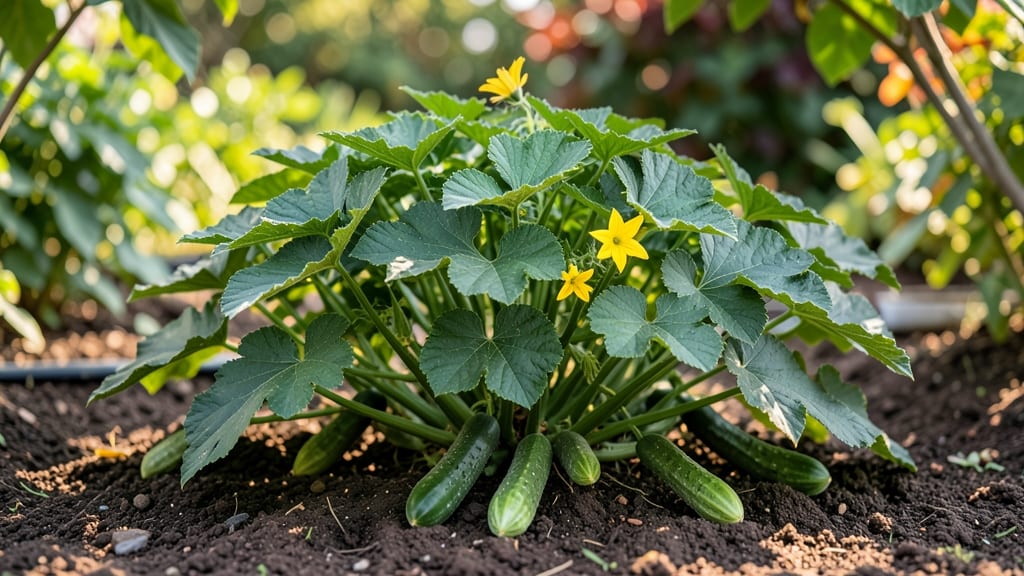
Growing bush cucumbers lets you harvest crisp, vine-free vegetables even in tiny spaces. 🌱 I used to struggle with sprawling vines ruining my patio—until I discovered how these compact varieties thrive with just three simple tricks that keep plants tidy and productive.
The secret starts with well-draining soil mixed with compost, planted in containers or raised beds where roots won’t sprawl. Bush types like 'Bush Champion' or 'Spacemaster' grow 3-4 feet tall but stay contained, perfect for balconies or small gardens.
Just give them 6-8 hours of sun daily and consistent moisture—no soggy soil, no drought stress. You’ll see first cucumbers in 50-60 days, and the plants keep producing for weeks if you remove old fruit.
The real game-changer? Training vines along a trellis or stakes (even just a 3-foot cage) keeps them upright, prevents disease, and makes harvesting effortless. No more cucumbers hiding under leaves or rotting on the ground.
Works in pots, window boxes, or garden beds—just adapt spacing to your container size. Here’s how to set it up right the first time!
📚 In This Guide
- What you need
- Instructions
- Tips and common mistakes
- Wrapping up and next steps
What you need
- ● Bush cucumber seeds: Choose compact, bush-type varieties like ‘Bush Champion’ or ‘Spacemaster’ (1–2 lbs or ~50–100 seeds, depending on your garden size).
- ● Containers or garden beds: Containers: 5-gallon pots or larger (at least 12–18" deep) with drainage holes (1–2 per plant).
- ● Garden beds: Well-draining soil with full sun (6–8+ hours/day). Space plants 18–24" apart.
- ● High-quality potting mix: Lightweight, well-draining soil amended with compost (avoid garden soil—it’s too dense!).
- ● Organic fertilizer: Balanced 10-10-10 or veggie-specific fertilizer (follow package rates).
- ● Mulch: Straw or shredded leaves to retain moisture and suppress weeds.
- ● Hand trowel or small shovel (for planting and soil prep).
- ● Watering can or hose with a gentle spray nozzle (avoid blasting seeds!).
- ○ Gloves (optional but handy for messy soil or prickly vines).
- ● Pruning shears (for trimming later—keep those vines in check!).
- ○ Support stakes or cages (optional): Even bush cucumbers benefit from lightweight trellises (3–4 ft tall) to train vines upward.
- ● Warm soil: Wait until soil temps reach 60°F+ (use a soil thermometer if unsure).
- ● Sunny spot: Full sun is non-negotiable—partial shade = fewer cucumbers!
- ● Consistent watering: Keep soil evenly moist (1–2" deep). Drought stress = bitter cucumbers.
How to train bush cucumbers for bigger harvests
Here's the straightforward method I use to coax bush cucumbers into producing more fruit with less fuss.
🌱 Step 1: Choose the Right Variety and Plant Properly
Bush cucumbers like 'Bush Champion' or 'Spacemaster' grow compactly without vines, making them perfect for small spaces. Plant seeds ½ inch deep in well-draining soil when nighttime temperatures stay above 55°F—usually after the last frost in your zone. I space mine 2 feet apart in rows 3 feet apart to allow airflow and prevent disease.
Press the soil gently around each seed to ensure good contact with the roots. Water immediately after planting to settle the soil and encourage root establishment. The key here is patience—wait until seedlings reach 2-3 inches tall before any training begins. This gives them a strong foundation to support future growth.
☀️ Step 2: Provide Consistent Light and Water
Bush cucumbers thrive in full sun (6-8 hours daily), but they need consistent moisture to produce fruit. I water deeply 1-2 inches per week, ensuring the soil stays evenly damp but not soggy. Use drip irrigation or soaker hoses to keep foliage dry—wet leaves invite fungal diseases like powdery mildew.
Mulch around plants with 2-3 inches of straw or shredded leaves to retain moisture and suppress weeds. You'll notice the plants growing steadily once they establish a strong root system, typically within 3-4 weeks. Watch for the first flowers—they appear as small yellow blooms—and that’s when the real action starts.
✂️ Step 3: Train for Better Airflow and Fruit Production
Here’s where the trick comes in: prune selectively to encourage bushier growth. When plants reach 12-18 inches tall, pinch off the tips of the main stems to redirect energy into lateral branches. This creates a fuller plant with more fruiting sites. I also remove any suckers (side shoots) that form in the leaf axils—keeping only the strongest one per node to avoid overcrowding.
Thin out lower leaves that touch the soil to improve airflow and reduce disease risk. You’ll see new side shoots emerge within 1-2 weeks, each capable of producing fruit. The goal is a compact, bushy plant with plenty of space between branches—this prevents shading and ensures every flower has a chance to develop into a cucumber.
🌿 Step 4: Support and Harvest Strategically
Even though bush cucumbers don’t vine, they benefit from light support. I use small cages or stakes to keep plants upright as they grow heavier with fruit. Harvest cucumbers when they reach 6-8 inches long—this encourages more production. I pick every 2-3 days to prevent overripe fruit from sapping energy from new blooms.
Watch for signs of stress like yellowing leaves or wilting—these often indicate underwatering or nutrient deficiency. A balanced fertilizer applied every 3-4 weeks keeps plants thriving. With consistent care, a single bush can produce enough cucumbers for a family of four, and the secret is in the training.
Tips & tricks for perfect bush cucumber training
These simple adjustments will help you coax even more fruit from your compact cucumber plants without the fuss.
Variety Matters: While 'Bush Champion' and 'Spacemaster' are reliable, consider 'Bush Pickle' for smaller, crunchier fruits or 'Sweet Success' for sweeter varieties. The right choice depends on your space and flavor preferences—just stick to bush types to avoid vining challenges.
Pruning Precision: When you reach Step 3 and pinch those main stems at 12-18 inches, focus on making clean cuts just above a leaf node. This redirecting technique creates 3-4 strong lateral branches per plant, each capable of producing 5-6 cucumbers. I've found that keeping only the strongest sucker per node prevents overcrowding while maximizing production.
Harvest Timing: Those 2-3 day intervals between harvests in Step 4 are critical—they prevent overripe fruit from draining energy from new blooms. I harvest first thing in the morning when cucumbers are crispest and most flavorful. Use a sharp knife or pruners to avoid damaging the plant, and always leave a small stem attached to prevent disease entry points.
Soil Secrets: Before planting, amend your soil with 2-3 inches of compost to improve drainage and nutrient retention. Bush cucumbers are less forgiving than vining types about soggy roots, so this extra prep pays off in stronger plants. I also add a handful of bone meal at planting time for extra phosphorus—it boosts early root development and flowering.
Pro Tips for Grow Bush Cucumbers
- These simple adjustments will help you coax even more fruit from your compact cucumber plants without the fuss.
- Variety Matters: While 'Bush Champion' and 'Spacemaster' are reliable, consider 'Bush Pickle' for smaller, crunchier fruits or 'Sweet Success' for sweeter varieties.
- Pruning Precision: When you reach Step 3 and pinch those main stems at 12-18 inches, focus on making clean cuts just above a leaf node.
Frequently asked questions
Got questions about growing bush cucumbers? You’re not alone!
Here are answers to the most common queries to help you grow a thriving, low-maintenance crop.
How long does it take for bush cucumbers to produce fruit?
Bush cucumbers typically start producing fruit 50–60 days after planting (check your seed packet for exact varieties). Warm soil and consistent watering speed up the process. If you’re in a cooler climate, opt for early-maturing varieties like ‘Bush Champion’ or ‘Sweet Success’ to avoid delays.
Do bush cucumbers need trellising, or can they grow on the ground?
One of the biggest perks of bush cucumbers is that they don’t require trellises—they’re bred to stay compact (2–3 feet tall). However, if you notice vines sprawling, a small cage or stakes can improve airflow and reduce disease risk. Just avoid overcrowding plants for best results!
Why are my bush cucumber leaves turning yellow?
Yellow leaves usually signal overwatering, nutrient deficiency, or disease. Check soil moisture (it should be consistently damp but not soggy). If the yellowing starts at the bottom, it’s often nitrogen deficiency—try a balanced fertilizer. For spots or wilting, inspect for pests like aphids or fungal issues (e.g., powdery mildew).
Can I grow bush cucumbers in containers or small spaces?
Bush cucumbers thrive in 5-gallon containers or larger with good drainage. Use a lightweight potting mix and place pots in full sun (6+ hours daily). Just ensure containers are stable (they can get top-heavy) and fertilize every 2–3 weeks. Perfect for balconies, patios, or small gardens!
Are bush cucumbers different from regular cucumbers?
Yes! Bush cucumbers are bush-type varieties (like ‘Bush Pickles’ or ‘Spacemaster’) bred to stay small and produce fruit without vining. Regular slicing cucumbers (e.g., ‘Straight Eight’) need trellises and more space. Bush types are ideal for small gardens, containers, or beginners—they’re just as tasty but with less fuss!
Wrapping up and next steps
Growing bush cucumbers is a rewarding and space-efficient way to enjoy fresh, homegrown produce—especially when you use simple training tricks to boost yields! 🌱 With the right support, pruning, and care, you’ll be harvesting crisp, flavorful cucumbers in no time.
Whether you’re a beginner or a seasoned gardener, these techniques make the process easier and more productive.
Now that you’re armed with the knowledge, roll up your sleeves and get planting! Start small with a single bush or expand your garden—either way, your future harvests will thank you. Happy growing! 🌿