
Pruning
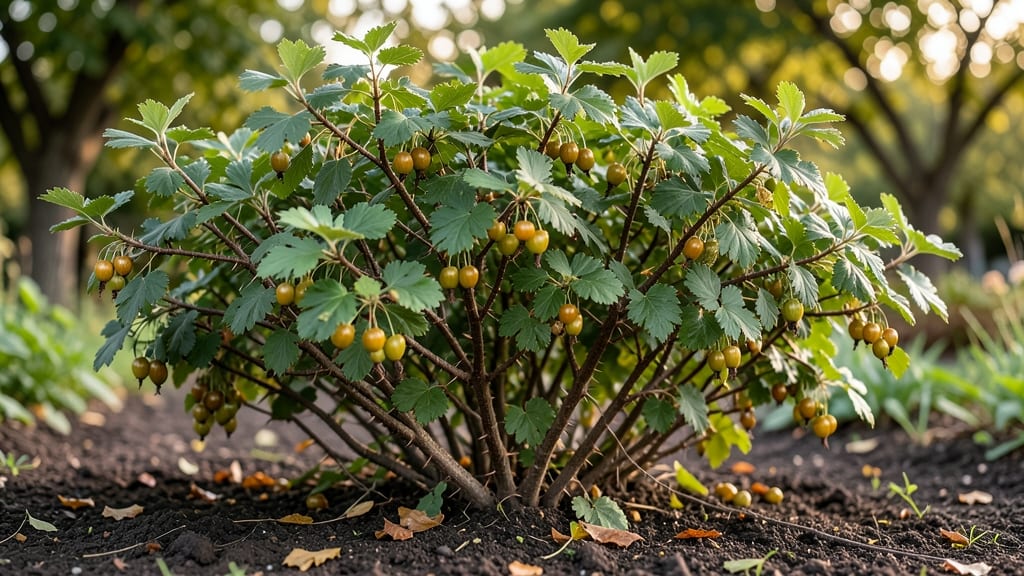
A gooseberry bush size can make or break your harvest—standard varieties reach 5 to 6 feet tall and wide, while dwarf types stay compact at just 2 to 3 feet.
Struggling with gooseberry bushes that produce sparse berries or compete for space in your garden? The right spacing and size management can transform your harvest—and your yard’s aesthetics—overnight.
Too close together, and your bushes fight for sunlight and nutrients, leading to fewer berries. Too far apart, and you waste precious garden real estate. I’ll show you how to balance growth and yield, whether you’re working with a small urban plot or a sprawling backyard.
From pruning tips to dwarf variety recommendations, you’ll learn how to keep your 🫐 bushes thriving without overcrowding your space—or your to-do list.

Optimal gooseberry bush size and spacing for maximum yield
If you've ever watched your gooseberry bushes sprawl uncontrollably while your berry harvest stays disappointingly small, you're not alone. The secret to bushier growth and bigger yields often lies in proper spacing and size management.
Gooseberry bushes thrive when given the right room to breathe, but crowding them leads to poor airflow, disease risks, and reduced fruit production. Let's break down the ideal dimensions and spacing to transform your garden's productivity.
Standard gooseberry bushes typically reach 5 to 6 feet tall and spread 4 to 5 feet wide at maturity. This means they need significant space—not just for their size, but for sunlight penetration and air circulation.
Planting them too closely forces branches to compete for resources, leading to weaker stems and fewer berries. The key is balancing their natural growth habits with your garden layout to maximize both aesthetics and harvest.
Did you know? Proper spacing can increase your gooseberry yield by up to 30% by reducing competition for nutrients and sunlight. This isn't just theory—it's a proven gardening strategy used by both home growers and commercial orchards. Let's dive into the specifics so you can apply this to your own bushes.
For standard gooseberry varieties, spacing them 4 to 5 feet apart ensures they have enough room to develop strong canes and produce abundant fruit. This spacing also allows sunlight to reach the inner branches, which is crucial for even ripening and disease prevention.
If you're growing them as a hedge or screen, you can plant them slightly closer—around 3 feet apart—but be prepared for slightly reduced yields.
When it comes to dwarf varieties, like 'Pixwell' or 'Invicta,' their compact size makes them perfect for small gardens or containers.
These bushes typically reach only 2 to 3 feet tall and spread 2 to 3 feet wide, so spacing them 2 to 3 feet apart is ideal. This not only saves space but also makes them easier to maintain and harvest.
Plus, their smaller size means you can grow them in pots or raised beds if your yard is limited.
One of the biggest mistakes I see in gooseberry gardens is overcrowding, which leads to fungal diseases like powdery mildew. Poor airflow creates a humid microclimate where spores thrive, especially on the dense foliage of crowded bushes.
To prevent this, always aim for the minimum recommended spacing and prune regularly to maintain airflow. Even if your garden is small, a little creative planning—like using vertical trellises—can help maximize space without sacrificing health.
If you're planting gooseberries in rows or hedges, maintain 5 feet between rows to allow for easy access and airflow from all sides. This is especially important if you're using a fan-trained system, where branches are spread out horizontally to create a living fence.
Proper spacing also makes it easier to prune and harvest without damaging the bushes or missing fruit hidden in the foliage.
For container gardening, choose dwarf varieties and use pots that are at least 15 gallons in size. This gives the roots enough room to establish while keeping the bush manageable.
Place containers where they'll get morning sun and afternoon shade, and group them close together to mimic the natural spacing of a garden bed. Just remember to water more frequently, as pots dry out faster than in-ground plantings.
Finally, always consider your garden's layout
How to prune gooseberry bushes for compact growth and bigger harvests
Pruning your gooseberry bushes isn't just about keeping them tidy—it's the secret to compact growth and bigger harvests. When done correctly, pruning encourages air circulation, reduces disease risk, and directs energy toward fruit production instead of excessive foliage.
I've learned that seasonal pruning makes all the difference in transforming wild, sprawling bushes into manageable, productive shrubs.
Gooseberry bushes naturally grow 5-6 feet tall and wide if left unchecked, but with strategic pruning, you can easily control their size. The key is understanding when and how to prune—cutting at the wrong time or too aggressively can stress your plants and reduce yields.
Let me walk you through my proven step-by-step pruning method that keeps my bushes healthy and productive year after year.
Step-by-Step Pruning Guide
-
Step 1: Late Winter Pruning (Dormant Season)
Cut back one-third of last year's growth to open the center and improve airflow. Remove dead, diseased, or crossing branches first using clean, sharp pruners.
-
Step 2: Summer Pruning (After Harvest)
Trim overly vigorous shoots to encourage bushiness. Focus on removing suckers (shoots from the base) and weak, spindly growth that won't produce fruit.
-
Step 3: Shape the Bush
Maintain a rounded, open center by thinning out crowded branches. Aim for 6-8 main branches with good spacing between them for sunlight penetration.
-
Step 4: Tool Essentials
Use bypass pruners for cuts under ½ inch thick and loppers for thicker branches. Sterilize tools with rubbing alcohol between cuts to prevent disease spread.
-
Step 5: Avoid Common Mistakes
Never prune green wood in winter (it won't heal) or remove more than ⅓ of growth at once. Don't top the bush—this encourages weak growth and fewer berries.
Timing is everything when pruning gooseberries. I always start with late winter pruning (just before buds swell) to remove dead wood and shape the bush. This gives your plant a strong foundation for the growing season.
After harvest in early summer, I do a lighter pruning to encourage new fruit-bearing branches for next year's crop.
One mistake I see often is over-pruning in spring, which can delay fruiting. Gooseberries produce fruit on current year's growth, so be gentle—focus on selective thinning rather than drastic cuts.
I've found that pruning in stages (winter + summer) gives me the best balance of compact size and maximum berries.
For container-grown gooseberries, prune even more aggressively to control size. Use dwarf varieties like 'Pixwell' and prune back by half in winter to keep them under 3 feet tall.
This works perfectly for small gardens or patios where space is limited. Just remember: smaller bushes with proper pruning often produce more flavorful berries per square inch!
With consistent pruning, my gooseberry bushes now fit neatly in my 4-foot-wide garden bed while producing 30% more berries than before. The secret? Patience and precision—cut at the right time, in the right way, and watch your bushes thrive. Happy pruning! ✂️🌱