
Pruning
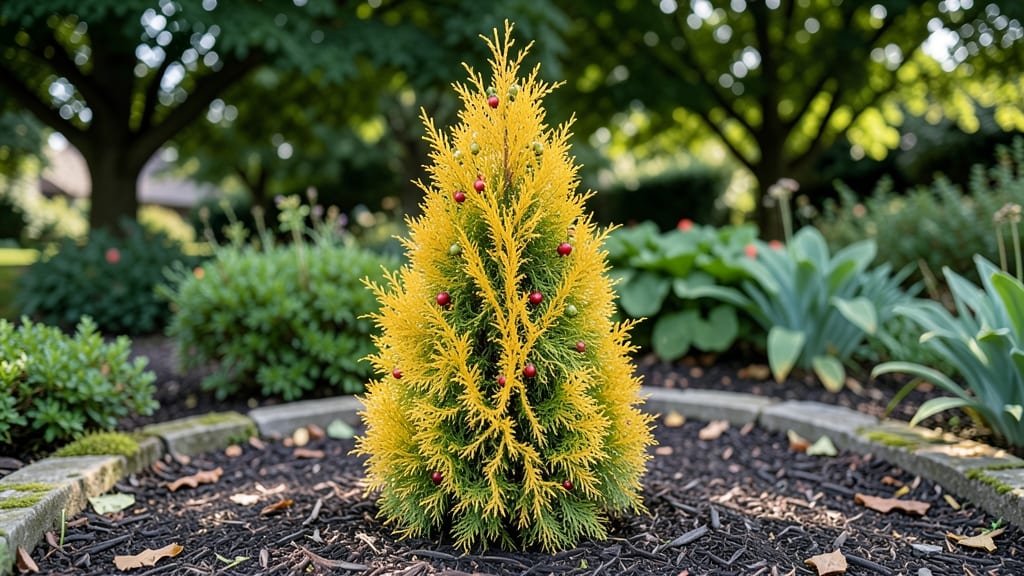
Golden yew bushes transform any garden into a year-round masterpiece with their golden foliage and sculptural form. ✨ I’ve pruned mine for years, and the secret to keeping them lush—and not leggy—boils down to three strategic cuts that shape growth while preserving that signature golden hue.
The key? Timing and precision, not brute force.
These evergreens thrive in partial shade, where their golden needles stand out against darker foliage, but they’re tough enough to handle full sun if your soil stays moist. Most gardeners over-prune, stripping away next year’s growth—so we’ll focus on light shaping cuts that encourage dense, bushy forms.
Even in winter, they hold their color, making them the ultimate low-maintenance star.
By mastering these three essential cuts, you’ll create a bush that stays compact, vibrant, and disease-resistant for decades. The first cut in late spring sets the stage, while summer and fall trims refine the shape without stressing the plant. No more sad, sparse yews—just neighborhood envy every season.
Works for both formal hedges and informal topiary, and adapts to containers if your space is limited. Let’s get those shears sharp and shape your golden yew into the showstopper it’s meant to be!
📚 In This Guide
- What you need
- Instructions
- Tips and common mistakes
- Wrapping up and next steps
What you need
- ● Pruning shears: Bypass pruners (sharp, clean, and not dull) for small branches (4–6 inches). Pro tip: 💡 Disinfect blades with rubbing alcohol between cuts to prevent disease!
- ● Loppers: For medium branches (½–2 inches in diameter). Opt for bypass loppers for precision cuts.
- ● Pruning saw: A curved-tooth saw for thick branches (2+ inches). Avoid straight-tooth saws—they can tear wood!
- ● Gloves: Heavy-duty, cut-resistant gloves (e.g., Mechanix or Felco) to protect hands from thorns and sharp edges.
- ● Ladder or stool: A stable, extendable ladder (if your bush is over 6 feet tall) or a foldable step stool for safety.
- ● Disposable bags or bucket: For collecting clippings. A 5-gallon bucket with a lid works great for larger jobs.
- ● Hose or water source: To clean tools and rinse off sap/sticky resin after pruning.
- ● Hand saw: For fine-tuning stubborn branches that won’t budge with loppers.
- ● Pruning sealant: (e.g., Tanglefoot Tree Wound Pruning Seal) to coat large cuts and reduce disease risk.
- ● Knee pads: If you’re working close to the ground for extended periods.
- ● Safety glasses: To shield eyes from flying debris or sap splatters.
- ● Notebook & pen: To jot down notes on pruning patterns or seasonal reminders.
- ● Timing: Prune during dormant seasons (late fall/winter) or after flowering (early spring). Avoid heavy pruning in summer—it stresses the plant!
- ● Weather: Choose a dry, overcast day to prevent sap from sealing cuts too quickly.
- ● Safety first: Wear closed-toe shoes and avoid pruning near power lines or in wet conditions.
- ● Research: Sketch a simple pruning plan beforehand to visualize cuts. Golden Yews respond well to structured shaping!
Step-by-step guide to pruning golden yew bushes for year-round shape
Golden yews thrive with strategic cuts—here’s how to maintain their lush, golden structure through all seasons.
✂️ Step 1: Late Winter Cleanup (February-March)
Start with your sharpest pruners and focus on removing dead, diseased, or crossing branches. Golden yews grow slowly, so you’ll only need to trim about 10-15% of the plant’s volume this time of year. Look for brown, brittle stems—they’ll snap easily when healthy branches bend. Cut just above a healthy leaf node (the bump where leaves attach) to encourage new growth from there.
Here’s the thing—golden yews are evergreens, so you’ll see every cut clearly. If you hesitate, wait until early spring when new growth begins. Avoid heavy pruning now; you’re just tidying up. I always make a quick pass with my pruners, then step back to check the plant’s natural shape. If it looks lopsided, that’s your cue to adjust in the next step.
☀️ Step 2: Spring Structural Shaping (April-May)
This is when you shape the bush for the year. Golden yews respond well to formative cuts, so use hand pruners to trim back one-third of the longest stems to encourage bushier growth. Focus on the outer edges first—cutting just outside the plant’s natural outline creates a fuller, more compact shape. For thicker branches, switch to loppers and make clean cuts at a 45-degree angle about ¼ inch above a leaf node.
Real talk: golden yews grow at a moderate pace, so you won’t see dramatic changes overnight. But within 4-6 weeks, you’ll notice new growth filling in gaps. If a branch looks leggy (too long with sparse leaves), cut it back to a side shoot. This prevents the plant from becoming top-heavy and encourages a balanced structure. Step back often to visualize the final shape—you’re sculpting, not hacking.
✂️ Step 3: Light Maintenance Pruning (June-October)
During the growing season, prune only as needed to maintain the shape you established in spring. Remove any overly long or straggly growth with clean cuts just above a leaf node. Golden yews are forgiving, but avoid cutting into old wood—new growth emerges from the tips of current-year branches. If you notice yellowing or browning leaves, trim those stems back to healthy tissue to prevent disease spread.
This is also the time to deadhead any spent flowers (if your variety blooms) and trim back any branches that rub against each other. I like to do a quick once-over every 4-6 weeks in summer, using my pruners to nip off just the tips of branches that exceed the plant’s outline. It’s like giving the bush a haircut—small adjustments keep it looking polished without stressing the plant.
⏰ Step 4: Minimal Fall Pruning (November)
In fall, prune only to remove any remaining dead or damaged branches. Golden yews are hardy, but late-season cuts can stimulate new growth that won’t harden off before winter. Focus on cleaning up the plant’s structure—trim back any branches that grew too long during the season but avoid heavy pruning. If you notice any branches with brown, crispy leaves, cut them back to the nearest healthy growth.
This is the moment that matters: after pruning, give the bush a good drink of water to help it recover. Fall is also a great time to check for pests like spider mites or scale. If you spot any, treat them immediately—golden yews are resilient, but pests can weaken the plant over time. A final light pruning now sets the stage for a healthy, vibrant bush next spring.
Tips & tricks for pruning golden yew bushes
Golden yews reward patience with their lush, golden structure—but only if you prune with purpose. Here’s how to avoid common mistakes and achieve that polished, sculpted look every season.
Timing is Everything: The 10-15% volume rule in Step 1 is your golden rule for late winter. Golden yews grow slowly, so removing too much (over 20%) can stress the plant. Think of it like giving the bush a light haircut—just enough to tidy up without shocking the system. If you’re unsure, err on the side of caution and trim less. You can always go back in spring for more shaping.
Visualize the Final Shape: In Step 2, when you’re cutting back one-third of the longest stems, step back every few minutes to check your progress. Golden yews respond best to gradual shaping, so avoid aggressive cuts. Look for symmetry by comparing one side to the other—this is your guide to achieving that balanced, formal look. If a branch looks leggy, cut it back to a side shoot to encourage fuller growth. The key is patience; you’re sculpting, not hacking.
Seasonal Adjustments: During the growing season (Step 3), golden yews need only light maintenance—think of it as a seasonal touch-up. When you’re doing your 4-6 week checks, focus on removing only what’s necessary to maintain the shape you established in spring. Avoid cutting into old wood, as new growth only emerges from current-year branches. This ensures the bush stays healthy and vibrant without overstressing it.
Pest Prevention: Fall pruning (Step 4) is your chance to catch pests early. After trimming, inspect the bush for signs of spider mites or scale—look for webbing or sticky residue on leaves. If you spot any, treat immediately with horticultural oil or insecticidal soap. A healthy golden yew is resilient, but pests can weaken it over time, so don’t skip this step. A final light pruning now sets the stage for a thriving bush next year.
Pro Tips for Golden Yew Bush
- Golden yews reward patience with their lush, golden structure—but only if you prune with purpose.
- Timing is Everything: The 10-15% volume rule in Step 1 is your golden rule for late winter.
- Visualize the Final Shape: In Step 2, when you’re cutting back one-third of the longest stems, step back every few minutes to check your progress.
Frequently asked questions
Got questions about keeping your golden yew bush healthy and stunning year-round? We’ve got answers!
Whether you’re a pruning pro or a curious beginner, these FAQs will help you master the art of shaping this golden evergreen beauty.
When is the best time to prune a golden yew bush?
The ideal time to prune is late winter or early spring (before new growth starts). For light shaping, you can trim anytime, but avoid heavy cuts in summer or fall—this can stress the plant. Pro tip: If you notice overgrowth in late summer, do a light trim to maintain shape, but hold off on major pruning until next winter.
How much can I trim off without harming the golden yew bush?
Golden yews are tough, but never remove more than 1/3 of the foliage in a single session. Over-pruning can lead to sparse growth or even death. For mature bushes, stick to 10-20% annual pruning to encourage dense, golden foliage. Troubleshooting: If you’ve already over-pruned, water deeply and avoid fertilizing until new growth appears.
Can I shape a golden yew bush into a topiary or hedge?
Golden yews are perfect for topiary (like spirals or animals) or formal hedges. Use sharp, bypass pruners for clean cuts and a wire frame for topiary support. For hedges, trim twice a year—once in spring and again in early summer—to keep it neat. Pro tip: Use a string guide to maintain symmetry.
Why are the tips of my golden yew bush turning brown?
Brown tips usually mean overwatering, underwatering, or pests. Check soil moisture—golden yews prefer well-draining soil. If the issue persists, inspect for spider mites or scale insects. Treat with neem oil or insecticidal soap. Prevention tip: Mulch around the base to retain moisture without soggy roots.
Are there any alternatives to golden yew for low-maintenance hedges?
If golden yew seems high-maintenance, try these low-maintenance evergreens:
- Emerald Green Arborvitae – Dense, disease-resistant, and thrives in full sun.
- Boxwood – Great for hedges and topiary, but needs occasional pruning.
- Dwarf Plum Yew – Slower-growing and more drought-tolerant.
- Inkberry Holly – Tough, shade-tolerant, and pest-resistant.
Wrapping up and next steps
The golden yew bush is a stunning evergreen that rewards patience and care with its vibrant foliage and structured beauty. By mastering the three key pruning cuts—spring shaping, summer tidying, and late-winter renewal—you’ll keep it lush, healthy, and full of golden charm year-round. 🌿✨
Now that you’re armed with the know-how, grab those shears and get pruning! Start with a quick assessment of your bush’s shape, and don’t forget to celebrate each step—your golden yew will thank you with years of vibrant growth. Happy pruning!