
Shrubs
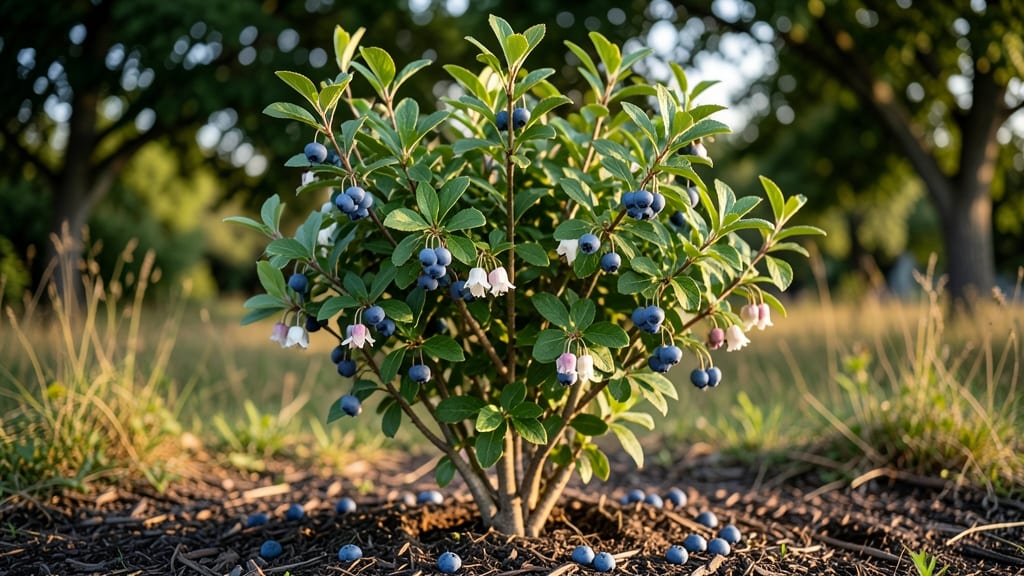
Blueberry bushes gardening starts with the right variety for your climate—because nothing beats the taste of homegrown berries picked at peak ripeness. 🌿 I learned the hard way that northern and southern types need different growing conditions, and choosing the wrong one means smaller harvests or even no fruit.
The key is matching your bush to your zone and soil, then giving it the acidic, well-draining home it craves.
Once planted, these bushes reward patience with years of harvests. My first crop came in year three, and now we get buckets of berries every summer—enough for pies, freezing, and sharing with neighbors.
The secret isn't just the pruning (though that helps) but the soil prep: amending with sulfur or peat moss to keep the pH between 4.5 and 5.5 makes all the difference.
By focusing on four simple pruning steps—cleaning up dead wood, thinning crowded branches, and shaping for airflow—you'll maximize fruit production while keeping the bush healthy. The best part? Blueberries thrive for decades with proper care, so this investment pays off for years to come.
Whether you're starting with bare-root plants in early spring or container-grown bushes in fall, the same principles apply. The first year is about establishing strong roots; by year two, you'll see real growth. Here's how to set yours up for success from day one.
📚 In This Guide
- What you need
- Instructions
- Tips and common mistakes
- Wrapping up and next steps
What you need
- ● Blueberry plants: 2–4 healthy, disease-free bushes (choose southern-highbush, northern-highbush, or lowbush varieties based on your climate zone).
- ● Purchased from a nursery or propagated from cuttings (if experienced).
- ● Soil amendments: Peat moss or coconut coir (5–10 gallons per bush).
- ● Sulfur (for acid-loving plants; 1–2 lbs per 100 sq ft).
- ○ Composted pine needles or oak leaves (optional but ideal for pH balance).
- ● Fertilizers: Acid-loving plant fertilizer (e.g., Miracle-Gro Azalea, Camellia & Rhododendron; 10–15 lbs per 100 sq ft).
- ● Iron chelate (for chlorosis prevention; 1–2 lbs per 100 sq ft).
- ● Pruning tools: Bypass pruners (sharp, clean, and sterilized with rubbing alcohol).
- ● Loppers (for thicker branches; 1 pair).
- ○ Hand saw (for stubborn wood; optional but helpful).
- ● Mulch: Pine bark or straw (2–3 inches deep; keeps soil acidic and moist).
- ● Watering supplies: Drip irrigation system or soaker hose (for consistent moisture).
- ● Watering can (for seedlings; 1–2 gallons).
- ● pH testing kit (to monitor soil acidity; target 4.5–5.5).
- ● Bird netting (to protect ripe berries from pests).
- ● Organic fungicide (e.g., copper spray for mold prevention).
- ● Garden gloves (to avoid thorns and soil-borne pathogens).
- ● Stakes or trellis (for young bushes in windy areas).
How to prune blueberry bushes for maximum year-round fruit
Pruning transforms wild, tangled bushes into productive, healthy plants. Here's the simple system I use to keep my blueberries thriving.
✂️ Step 1: Prune Out Dead or Diseased Wood First
Grab your pruners and scan the bush for any branches that look brown, mushy, or shriveled. These are dead or diseased and need immediate removal. I always start with these because they can spread problems to healthy wood if left unattended. Cut back to the main stem or where the branch meets the trunk at a slight angle—this prevents water from pooling on the cut.
You'll know you've done this right when the bush looks cleaner and you can see sunlight reaching the center. This step prevents fungal spread and improves airflow, which is crucial for blueberries. If you find any cankers (sunken, discolored spots), sterilize your pruners with rubbing alcohol between cuts to avoid contamination.
✂️ Step 2: Remove Overcrowded or Weak Branches
Next, focus on the bush's structure. Look for branches that cross each other or grow inward—they compete for sunlight and nutrients. Remove the weaker of the two crossing branches by cutting it back to the main stem. I also prune out any branches that are thinner than a pencil; they won't produce much fruit and take energy from stronger growth.
This is where the bush starts to open up. You'll see more space between branches, which means better air circulation and easier harvesting. Aim to keep the strongest, most outward-facing branches. If a branch is growing straight up, leave it—it'll become a future fruiting wood.
✂️ Step 3: Thin Out Old Wood to Encourage New Growth
Blueberries produce best on new wood, so every year I remove about one-third of the oldest canes. These are the thickest, woody branches at the center of the bush. Cut them back to the ground—don't leave any stumps. This might seem drastic, but it forces the bush to send up fresh, vigorous growth from the base, which will bear fruit next season.
You'll know you've done this correctly when the center of the bush looks more open and you can see young, green shoots emerging from the ground. This step is especially important for established bushes over 5 years old. If you're unsure which branches are oldest, look for the thickest ones—they're usually the first to flower and fruit, but they're also the first to decline.
✂️ Step 4: Shape the Bush for Easy Harvesting and Sunlight
Now it's time to shape the bush into an open, vase-like form. Start by selecting 3-5 of the strongest, most outward-growing branches as your main framework. These will become the backbone of your bush. Cut back any branches that grow inward or downward—they'll block sunlight and make harvesting difficult.
Step back and look at the bush from all sides. You want sunlight to reach the center and the outer branches to be easily accessible. Trim any branches that are too long or leggy, cutting them back to a bud that faces outward. This encourages bushier growth and more fruit production. After pruning, the bush should look balanced and inviting—like it's ready for a bountiful harvest.
Tips & tricks for pruning blueberry bushes like a pro
These simple tricks will help you prune with confidence and keep your blueberry bushes thriving for years.
Timing Secret: Prune your blueberry bushes during their dormant season, which is late winter or early spring before buds begin to swell. This timing prevents stress on the plant and minimizes disease spread. I always aim for February or March in my zone 6 garden—just as the first robins start singing. Avoid pruning in fall, as fresh cuts can't heal properly before winter sets in.
Tool Prep: Sterilize your pruners between cuts, especially when dealing with diseased wood. I keep a small bottle of rubbing alcohol handy and wipe down blades after every 3-4 cuts. Sharp tools make cleaner cuts that heal faster, and this simple step prevents fungal infections from spreading to healthy branches. Don't skip this—it's the difference between a healthy bush and one struggling with disease.
Visual Cues: When shaping your bush in Step 4, imagine you're creating a vase shape with sunlight in mind. The strongest branches should form a natural framework where sunlight can reach all parts of the bush. Look for branches that grow at a 45-degree angle outward—these are your keepers. Any branch growing straight up or inward should be trimmed back to encourage that open, airy structure we want for maximum fruit production.
Yearly Maintenance: For established bushes over 5 years old, make pruning an annual ritual in late winter. I mark my calendar each February to tackle this task before the growing season begins. The one-third rule for removing oldest canes (Step 3) might seem harsh, but it's what keeps your bush productive. Think of it as giving your plant a fresh start every year—just like getting a haircut to keep your style looking sharp.
Pro Tips for Gardening Blueberry Bushes
- These simple tricks will help you prune with confidence and keep your blueberry bushes thriving for years.
- Timing Secret: Prune your blueberry bushes during their dormant season, which is late winter or early spring before buds begin to swell.
- Tool Prep: Sterilize your pruners between cuts, especially when dealing with diseased wood.
Frequently asked questions
Got questions about growing and maintaining blueberry bushes? You’re not alone! Here are some of the most common queries—plus quick, practical answers to keep your bushes thriving and productive.
How long does it take for blueberry bushes to bear fruit?
Patience is key! Most blueberry bushes take 2–3 years to produce fruit after planting, though some varieties (like ‘Top Hat’ or ‘Duke’) may bear a few berries in their first year. Focus on proper care—watering, mulching, and soil acidity—to speed up the process. Pro tip: Use well-draining soil and avoid over-fertilizing to prevent delays.
When is the best time to prune blueberry bushes?
Prune in late winter or early spring (before buds swell) to remove dead, diseased, or crossing branches. Avoid heavy pruning in fall, as it can stimulate new growth that may be damaged by frost. For established bushes, aim for 10–25% of the plant’s oldest wood per year to maintain vigor. Timing tip: Wait until after the last hard freeze for cold climates.
Why aren’t my blueberry bushes producing fruit?
Several factors could be at play:
- Improper soil pH: Blueberries thrive in acidic soil (4.5–5.5). Test your soil and amend with sulfur or peat moss if needed.
- Lack of pollination: Most blueberries are self-pollinating, but cross-pollination (planting multiple varieties) can boost yields.
- Over/under-fertilizing: Too much nitrogen = leafy growth, no fruit. Use a low-nitrogen, high-potassium fertilizer designed for acid-loving plants.
- Young age: As mentioned, it takes time! Be patient.
Troubleshoot: Check for pests (like birds or aphids) or fungal issues (e.g., mummy berry disease).
Can I grow blueberry bushes in containers or small spaces?
Dwarf varieties like ‘Top Hat’ or ‘Peach Sorbet’ are perfect for containers (use a 5-gallon pot minimum) or urban gardens. Ensure the container has drainage holes and use a peat-based, acidic potting mix. Move pots to a sunny spot (6+ hours of light) and water consistently—containers dry out faster. Space hack: Train vines vertically with a trellis to save room!
Are there any low-maintenance blueberry bush alternatives?
If you want berries with less fuss, consider:
- Rabbit-eye blueberries: More drought-tolerant and disease-resistant than highbush varieties.
- Southern highbush hybrids: Thrive in warmer climates with minimal pruning (e.g., ‘Aureole’ or ‘Climax’).
- Evergreen shrubs like huckleberries or bilberries: Native options with similar care needs but often fewer pests.
Bonus: Try blueberry companion plants like thyme or comfrey to deter pests naturally.
Wrapping up and next steps
Growing your own blueberry bushes is a rewarding journey that brings sweet, juicy rewards with minimal effort—once you master the art of pruning! 🌱 By following these four key steps, you’ll ensure healthy growth, abundant harvests, and a thriving bush year after year.
Whether you’re a beginner or a seasoned gardener, every snip is a step closer to a bountiful blueberry feast.
Ready to dive in? Start by observing your bush this season, then plan your next pruning session with confidence. Happy gardening—your future blueberry smoothies (or pies!) are waiting! 🍇✨