
Landscaping
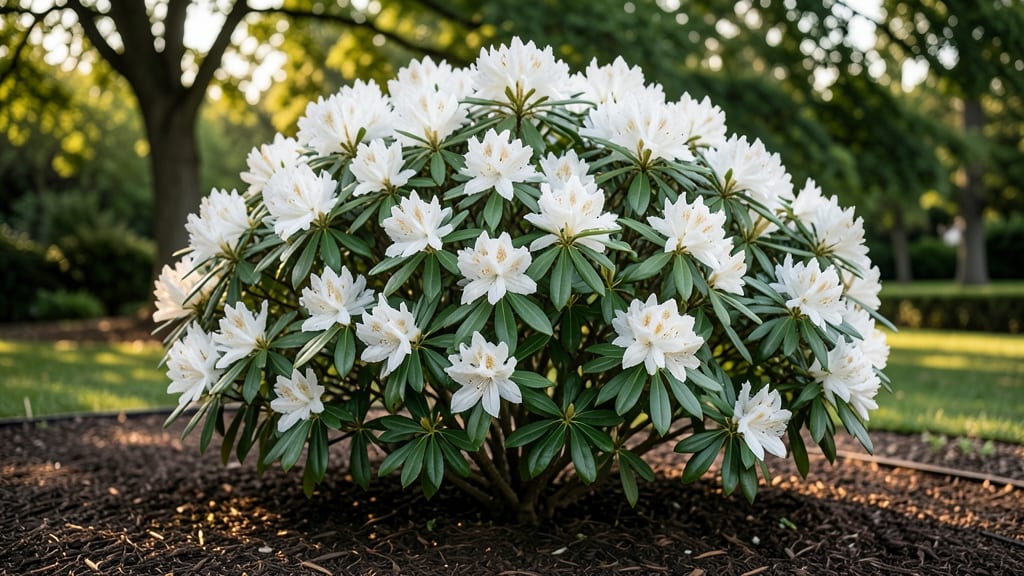
A white azalea bush in your front yard isn’t just a plant—it’s an instant statement of timeless elegance. 🌸 I’ve seen these glossy-leaved beauties transform ordinary landscapes into showstopping focal points, their pure white blooms lighting up spring mornings like nature’s own chandelier.
The best part? They thrive with minimal fuss, making them perfect for gardeners who want drama without the upkeep.
Place yours where it gets morning sun and afternoon shade—think near the front door or along a walkway. Pair it with boxwoods for a crisp, formal look or let it mingle with ferns and hostas for a softer, woodland vibe.
In fall, the deep green foliage adds structure, while winter’s bare branches create an elegant silhouette against the snow.
With just a light pruning after blooming, you’ll encourage even more flowers next season. The scent alone—like a whisper of spring—will make neighbors stop and stare. This isn’t just a bush; it’s your front yard’s crown jewel, working hard to turn heads all year long.
Whether you love classic gardens or wild, natural styles, white azaleas adapt beautifully. They’re the secret weapon for curb appeal that never goes out of fashion. Ready to make yours the talk of the neighborhood?
📚 In This Guide
- What you need
- Instructions
- Tips and common mistakes
- Wrapping up and next steps
What you need
- ● White azalea plants: 1–3 mature bushes (3–5 ft tall, depending on desired fullness). Choose Rhododendron varieties like 'Girard’s White' or 'White Pearl' for classic beauty.
- ● High-quality acidic potting mix: 5–10 gallons (pH 4.5–6.0). Avoid alkaline soil—azaleas hate it!
- ● Organic mulch: 2–3 bags (pine bark or pine needles work best). Spread 2–3 inches around the base (keep mulch away from the trunk).
- ● Slow-release fertilizer: 1 bag (look for azalea-specific or acid-loving plant formula, like 10-10-10 or 8-3-9).
- ● Garden gloves & kneeling pad: 1 pair + 1 pad (for comfort during planting).
- ● Watering can or hose with a gentle spray nozzle: 1 (azaleas love moisture but not soggy roots!).
- ● Hand trowel or small shovel: 1 (for digging holes and loosening soil).
- ● Measuring tape: 1 (to check spacing—plant azaleas 10–15 ft apart for mature size).
- ● Pruning shears (sterilized): 1 (for minimal shaping; only prune after flowering!).
- ○ Soil pH test kit (optional but helpful): 1 (to confirm acidity before planting).
- ○ Drip irrigation system or soaker hose (optional): 1 (for consistent moisture in hot climates).
- ● Sunlight check: Ensure your spot gets partial shade (morning sun + afternoon shade)—azaleas thrive here!
Step-by-step guide to planting and maintaining front yard white azalea bushes
Here's how to plant and care for your azaleas so they bloom beautifully year after year.
🌱 Step 1: Choose the Perfect Planting Location
White azaleas thrive in partial shade—think morning sun with afternoon shade or dappled sunlight under tall trees. A spot with 4-6 hours of filtered light keeps leaves vibrant and blooms abundant. Avoid full sun, which scorches leaves, or deep shade, which weakens flowering.
Test your site by observing how sunlight moves across the yard. The ideal location should stay moist but well-drained—azaleas hate soggy roots. If your yard has heavy clay soil, amend it with 2-3 inches of organic matter (like compost or peat moss) before planting to improve drainage.
🪴 Step 2: Plant at the Right Depth and Spacing
Dig a hole twice as wide as the azalea’s root ball but no deeper—planting too deep suffocates roots. Gently loosen the roots if they’re circling tightly in the pot. Place the bush in the hole so the top of the root ball sits level with the ground (never buried). White azaleas need 4-6 feet of space between plants for airflow and growth.
Backfill with the native soil you removed, pressing lightly to eliminate air pockets. Water deeply right after planting to settle the soil and encourage root contact. Mulch around the base with 2-3 inches of pine bark or wood chips, keeping it 3 inches away from the trunk to prevent rot.
☀️ Step 3: Water and Fertilize for Strong Growth
Water your azaleas deeply once a week for the first year, ensuring the soil stays evenly moist but not soggy. You’ll know it’s right when water drains through 4-6 inches deep within an hour. After the first year, reduce to every 10-14 days during dry spells, checking that the top 2 inches of soil feel dry before watering.
Feed in early spring (just as buds form) with an acid-loving plant fertilizer (like one labeled for azaleas, rhododendrons, or camellias). Follow package instructions—over-fertilizing burns roots. Avoid fertilizing in summer or fall, as new growth won’t harden off before winter.
✂️ Step 4: Prune for Shape and Health
Prune right after flowering (late spring) to shape the bush and encourage next year’s blooms. Remove dead, crossing, or weak branches first, cutting back to the nearest healthy bud. For shaping, trim no more than 1/3 of the bush—azaleas bloom on old wood, so heavy pruning reduces flowers.
Use clean, sharp pruners to make cuts at a 45-degree angle just above a bud or branch. Avoid "heading back" (cutting into old wood)—this removes next year’s flower buds. If your azalea grows leggy, prune selective branches to open the center for better airflow and sunlight penetration.
🌿 Step 5: Protect and Maintain Year-Round
In winter, mulch around the base with an extra 2-3 inches of organic mulch to insulate roots from freezing temperatures. If your area gets below 10°F, wrap young azaleas in burlap or use a tree guard to shield them from windburn and cold snaps.
Monitor for pests like lace bugs or spider mites—these leave yellowing leaves and webbing. Spray with neem oil or insecticidal soap early in the season to prevent infestations. Water in the early morning to reduce fungal diseases like powdery mildew, which thrives in damp, shady conditions.
Tips & tricks for perfect white azalea bushes
These simple strategies will help your white azaleas thrive with minimal effort and maximum beauty.
Lighting Secret: If you're unsure about your yard's sunlight patterns, observe how shadows move throughout the day. The perfect spot should receive morning sunlight but have afternoon shade from nearby trees or structures. I've seen azaleas struggle in spots that seem partially shaded at first glance—always check the full day's light exposure before planting.
Planting Depth: When placing your azalea in the hole, make sure the top of the root ball sits level with the surrounding soil—never bury it. I learned this the hard way after planting one too deep, which led to root suffocation and poor growth. Use a small stake to mark the original soil level on the root ball before removing it from the pot.
Watering Wisdom: The key to proper watering is checking soil moisture at the right depth. Stick your finger about 2 inches into the soil—if it feels dry, it's time to water. For the first year, I set a reminder on my phone to water deeply once a week, ensuring the water penetrates at least 4-6 inches. This consistent moisture is what builds strong root systems for those stunning blooms.
Pruning Precision: When shaping your azalea after flowering, focus on removing only the necessary branches—never trim more than one-third of the bush at once. I always make my cuts just above a healthy bud at a 45-degree angle, which encourages new growth in the right direction. This careful approach preserves next year's flower buds while keeping your plant looking its best.
Pro Tips for Front Yard White Azalea Bush
- These simple strategies will help your white azaleas thrive with minimal effort and maximum beauty.
- Lighting Secret: If you're unsure about your yard's sunlight patterns, observe how shadows move throughout the day.
- Planting Depth: When placing your azalea in the hole, make sure the top of the root ball sits level with the surrounding soil—never bury it.
Frequently asked questions
Got questions about adding a front yard white azalea bush to your landscape? You’re not alone! Here are some of the most common concerns—and their answers—to help you plan with confidence.
When is the best time to plant a white azalea bush in my front yard?
The ideal window is early spring (March–April) or fall (September–October). These times let roots establish before extreme heat or cold. Avoid planting in summer’s scorching heat or winter’s frost—both stress young bushes. If you’re in a mild climate, fall is often the sweet spot!
How much space do I need to plant a white azalea bush?
Most white azaleas mature between 4–6 feet tall and wide, so space them 5–6 feet apart for full growth. If your yard is small, consider dwarf varieties (like ‘Girard’s’ or ‘Hino Crimson’), which stay compact (3–4 feet). Always check the tag for specific spacing needs—it’s your best guide!
Do white azaleas need full sun, or can they handle shade?
They thrive in partial shade (morning sun + afternoon shade) but tolerate full sun in cooler climates. In hot zones, afternoon shade prevents leaf scorch. If your front yard is sunny, plant near a fence or tree for dappled light. Mulch around the base to retain moisture—hydration is key!
How do I prune my white azalea bush without ruining its blooms?
Prune right after flowering (late spring) to avoid cutting next year’s buds. Use clean shears to shape lightly—never trim more than 1/3 of the bush. Focus on removing dead wood or overcrowded branches. For a fuller look, trim outer branches to encourage inward growth. Skip heavy pruning in fall or winter!
What pests or diseases should I watch for in my white azalea?
Common issues include lace bugs (tiny yellow pests), powdery mildew (white fungus), and root rot (from overwatering). Monitor undersides of leaves for bugs and prune for airflow. Treat mildew with neem oil, and ensure well-draining soil. Healthy soil + proper watering = fewer problems!
Are there low-maintenance alternatives to white azaleas?
If azaleas seem high-maintenance, try camellias (evergreen, shade-tolerant), hydrangeas (bold blooms, varied colors), or boxwood shrubs (neat, drought-tolerant). For year-round interest, dwarf gardenias or inkberry hollies are also great picks—just check your climate zone!
Wrapping up and next steps
A front yard white azalea bush isn’t just a pretty face—it’s a low-maintenance, year-round star that brings effortless elegance to your outdoor space. With minimal pruning needs and stunning blooms, it’s the perfect choice for busy homeowners who still crave curb appeal. 🌸
Ready to transform your yard? Start by selecting the right variety, prepping the soil, and giving your azalea the love it deserves. Plant it, water it, and watch it thrive! Your future self (and neighbors!) will thank you.