
Pruning
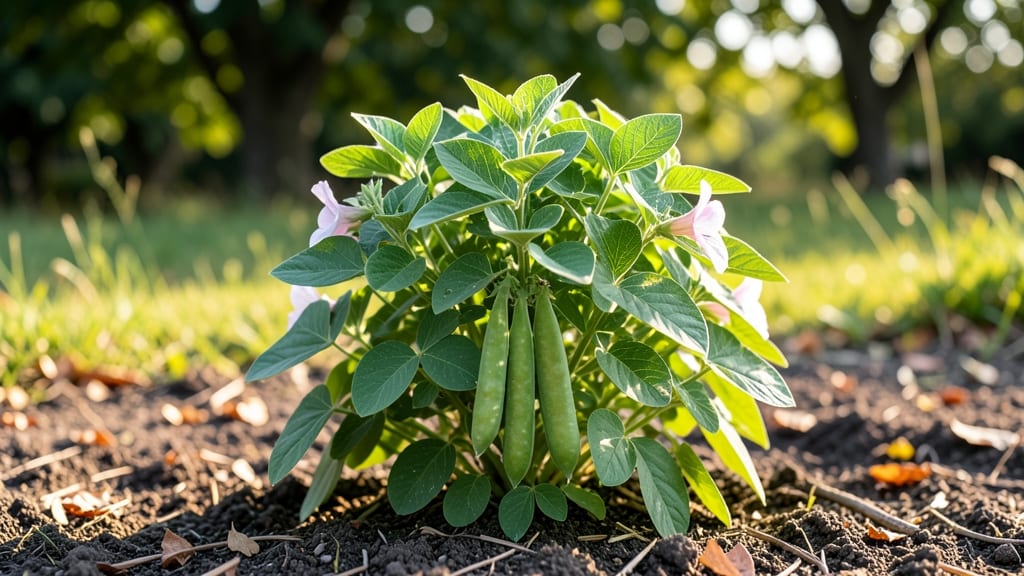
French bush beans deliver tender, snappy pods straight from your garden to your plate—if you prune them pod-by-pod. 🌱 I’ve grown these beans for years, and the secret to compact plants with endless harvests isn’t complicated: it’s all about timing and technique.
These beans thrive in warm weather, so plant them after your last frost when soil hits 60°F, and you’ll be harvesting in just 50-60 days.
The key is pod-by-pod pruning—snipping off spent pods as soon as they mature keeps plants bushy and productive. Start with well-draining soil mixed with compost, and space seeds 2-3 inches apart in rows 18-24 inches apart.
They need full sun (6+ hours daily) and 1 inch of water per week, but avoid soggy soil to prevent disease. Pair them with radishes or lettuce to deter pests naturally.
Harvest pods when they’re 4-6 inches long and still crisp—wait too long, and they’ll turn woody. With consistent pruning, one plant can yield 10+ pounds of beans over the season. The flavor? Sweet, buttery, and impossible to resist fresh from the vine.
Works in containers (5-gallon pots) or in-ground beds, and they’re drought-tolerant once established. Perfect for small spaces or urban gardens—just keep those pods coming!
Root Causes of Poor Growth
Understanding why your green beans struggle to thrive—especially when pruning for compact harvests—starts with the soil, genetics, and environmental factors. Let’s break down the key culprits and why they sabotage your plants.
---
French bush beans are heavy feeders, and poor soil nutrition directly impacts pod development, yield, and plant health. Here’s what’s missing—and why:
- Nitrogen Deficiency (💡 The "Legume Paradox") While beans fix their own nitrogen via root nodules (thanks to Rhizobium bacteria), young plants or stressed bushes can’t rely on this alone.
A lack of nitrogen causes: - Stunted growth (smaller leaves, weak stems). - Pale or yellowing foliage (chlorosis). - Fewer pods or underdeveloped beans. - Fix: Side-dress with composted manure or blood meal at planting and mid-season. Test soil pH (ideal: 6.0–7.0); acidic soil blocks nitrogen fixation.
- Phosphorus & Potassium Shortages (🔥 The "Energy Crisis") These macronutrients fuel root growth, flowering, and pod set. - Low phosphorus? → Slow root development, delayed flowering, weak stems. - Low potassium? → Poor disease resistance, brittle stems, and premature pod drop. - Fix: Mix in bone meal (phosphorus) and kelp meal (potassium) at planting.
Avoid over-fertilizing—beans prefer moderate fertility.
- Micronutrient Deficiencies (🧪 The "Hidden Starvation") Even tiny deficiencies in boron, calcium, or magnesium can cause: - Blossom end rot (calcium deficiency → mushy pods). - Cracked or deformed pods (boron deficiency). - Fix: Use a balanced organic fertilizer (like 5-5-5) or foliar spray with Epsom salt (magnesium) or borax (boron).
---
Beans are sensitive to extremes, and stress triggers poor growth or even plant collapse. Here’s how climate and conditions backfire:
- Temperature Swings (🌡️ The "Too Hot or Too Cold Trap") - Below 50°F (10°C): Growth stalls; seeds rot in cold soil. - Above 90°F (32°C): Flowers drop off before pollination (no pods!). - Fix: Plant in cool-season zones (spring/fall).
Use shade cloth in summer. Choose heat-tolerant varieties like ‘Contender’ or ‘Blue Lake’.
- Watering Woes (💦 The "Drought or Drown Effect") - Underwatering: Leaves curl and crisp, pods shrivel. - Overwatering: Roots suffocate (anaerobic soil), leading to root rot and yellowing leaves. - Fix: Keep soil consistently moist but not soggy (1–1.5 inches of water weekly).
Use drip irrigation to avoid wetting foliage (reduces disease).
- Poor Airflow & Humidity (🌬️ The "Fungal Buffet") Bush beans hate humidity—it invites: - Powdery mildew (white dust on leaves). - Rust fungus (orange spots → defoliation). - Fix: Space plants 12–18 inches apart for airflow.
Prune lower leaves to improve circulation. Water early in the day so foliage dries fast.
---
Even with perfect soil, how you prune and plant can sabotage your harvest. Common blunders include:
- Over-Pruning (✂️ The "Too Zealous Cut") Bush beans don’t need heavy pruning—aggressive cuts stress the plant and reduce pod production. - Mistake: Removing too many leaves or stems early on. - Less photosynthesis → fewer flowers/pods. - Fix: Only remove yellow/diseased leaves or pinch tips to encourage bushiness (not height).
Focus on pod-by-pod pruning (see our guide for details).
- Wrong Pruning Timing (⏳ The "Missed Window") - Pruning too late? Misses the early flowering stage (when pods form). - Pruning too early? Delays maturity. - Fix: Start light pruning 2–3 weeks after planting (when plants are 6–12 inches tall). Remove only the top 1–2 inches to promote branching.
- Planting Too Deep (🌱 The "Buried Alive" Problem) Seeds planted >1 inch deep may rot before sprouting (beans need light to germinate). - Fix: Plant ½ inch deep, 1–2 inches apart. Thin seedlings to 4–6 inches apart for airflow.
--- Pro Tip: 🔍 Diagnose fast! Check leaves first: - Yellow lower leaves? → Nitrogen or water issue. - Brown edges? → Potassium deficiency or overwatering. - White powder? → Fungal infection (act fast!).
Fixing Common Bean Plant Woes
French bush beans are resilient, but even the hardiest plants can face challenges—whether it’s stunted growth, pest invasions, or poor pod formation. The good news? Most issues have simple, actionable fixes. Below, we’ve mapped common problems to practical solutions, plus prevention tips to keep your plants thriving.
---
Cause: Poor soil nutrition, overcrowding, or inadequate sunlight. Fix It: - 🔥 Boost Soil Fertility – Mix in 1–2 inches of compost or a balanced organic fertilizer (like 5-5-5) at planting. Avoid high-nitrogen blends, which favor leaves over pods. - 🌞 Ensure Sunlight – French bush beans need 6–8 hours of direct sun daily. Thin seedlings to 4–6 inches apart if they’re competing for light. - 💡 Pro Tip: Side-dress with a low-nitrogen fertilizer (like 0-10-10) when flowers appear to encourage pod development.
Prevent It: - Test soil pH (aim for 6.0–7.0). Amend with lime if too acidic or sulfur if too alkaline. - Mulch with straw to retain moisture and suppress weeds, which steal nutrients.
---
Cause: Chewed leaves, yellowing foliage, or sticky residue (honeydew). Fix It: - 👨🍳 Handpick & Remove – Check leaves daily for bean leaf beetles (tiny, black with orange markings). Drop them into soapy water. - 🥘 Spray Neem Oil – Mix 1 tbsp neem oil + 1 tsp mild soap per quart of water. Spray undersides of leaves every 5–7 days for aphids/mites. - 🔪 Introduce Beneficial Insects – Ladybugs and lacewings devour pests. Buy them online or attract them with dill or fennel planted nearby.
Prevent It: - ✨ Plant Companion Crops – Interplant with nasturtiums (trap crop for aphids) or onion family plants (repel beetles). - ⏰ Rotate Crops – Avoid planting beans in the same spot yearly to break pest cycles.
---
Cause: Temperature stress, overwatering, or nutrient imbalances. Fix It: - 🌡️ Monitor Temperatures – Bush beans hate heatwaves (above 85°F) or cold snaps (below 50°F). Provide shade cloth in summer or extend the season with row covers in spring/fall. - 💧 Adjust Watering – Keep soil consistently moist but not soggy. Drought stress causes blossoms to drop. Use drip irrigation to avoid wetting leaves (which invites disease). - 📊 Fertilize Smartly – Switch to a phosphorus-rich fertilizer (like bone meal) when flowers appear to support fruit development.
Prevent It: - 🎯 Stagger Plantings – Sow seeds every 2 weeks for a continuous harvest, reducing stress on individual plants. - 🌱 Choose Heat-Tolerant Varieties – Try ‘Contender’ or ‘Blue Lake Bush’, which handle warmer climates better.
---
Cause: Humid conditions, poor airflow, or wet foliage. Fix It: - 🍳 Prune for Airflow – Thin plants to 3–4 inches apart and remove lower leaves touching the soil. - 🔪 Apply Baking Soda Spray – Mix 1 tbsp baking soda + 1 tsp soap + 1 gallon water. Spray weekly as a preventative. - 🌿 Use Copper Fungicide – For severe rust, spray copper-based fungicide (follow label rates) every 10–14 days.
Prevent It: - 💡 Space Plants Properly – Avoid overcrowding; aim for 4–6 inches between plants. - ⏰ Water at the Base – Use soaker hoses to keep leaves dry, especially in the evening.
--- Cause: Overwatering, nutrient deficiency, or viral infection. Fix It: - 💧 Check Drainage – If soil stays soggy, amend with perlite or plant in raised beds. - 📊 Test for Deficiencies – Yellowing between veins?
Likely iron/manganese deficiency. Add chelated iron or compost. - 🔪 Remove Infected Plants – If leaves curl abruptly (possible mosaic virus), pull and destroy the plant to prevent spread.
Prevent It: - 🌱 Rotate Crops – Don’t plant beans where nightshades (tomatoes, peppers) grew last year (shared viruses). - 🌡️ Avoid Stress – Keep soil evenly moist and mulch to regulate temperature.
--- Final Thought: French bush beans are forgiving, but early intervention is key. Most issues resolve with better spacing, targeted fertilizing, and pest control. Happy growing—your harvest will thank you! 🌱🍲
Frequently asked questions
How long does it take for French bush beans to mature after planting?
French bush beans typically reach maturity in 50-60 days from planting, depending on your climate. Start harvesting when pods are 4-6 inches long and still crisp. In cooler regions, they may take slightly longer, while warmer climates can speed up the process.
Can I grow French bush beans in containers?
These beans thrive in 5-gallon pots or larger containers with good drainage. Use a high-quality potting mix and ensure each plant has at least 12-18 inches of space to grow. Containers also make it easier to control soil moisture and prevent pests.
What's the best way to prune French bush beans for maximum yield?
Use the pod-by-pod pruning method: snip off mature pods as soon as they reach 4-6 inches to encourage new growth. Avoid aggressive pruning—just remove spent pods and any yellow/diseased leaves. This keeps plants bushy and productive throughout the season.
How do I prevent powdery mildew on my bush bean plants?
Powdery mildew thrives in humid conditions, so improve airflow by spacing plants 12-18 inches apart and removing lower leaves that touch the soil. Water at the base early in the day, and apply a baking soda spray (1 tbsp baking soda + 1 tsp soap per gallon of water) weekly as prevention.
What are the best companion plants for French bush beans?
Plant with radishes, lettuce, or onions to deter pests naturally. Avoid planting near potatoes or tomatoes, as they can compete for nutrients or attract shared pests. Nasturtiums also work well as a trap crop for aphids.